
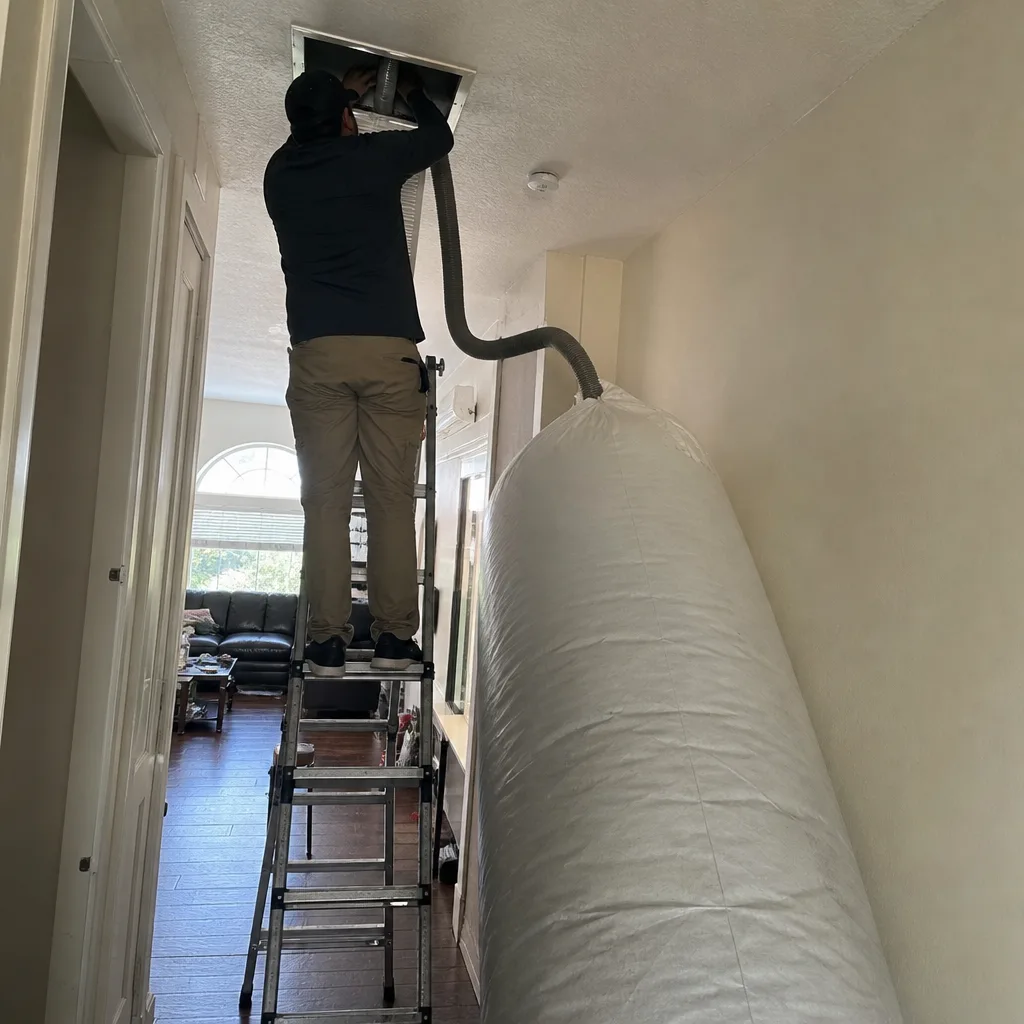
Last updated November 15, 2026
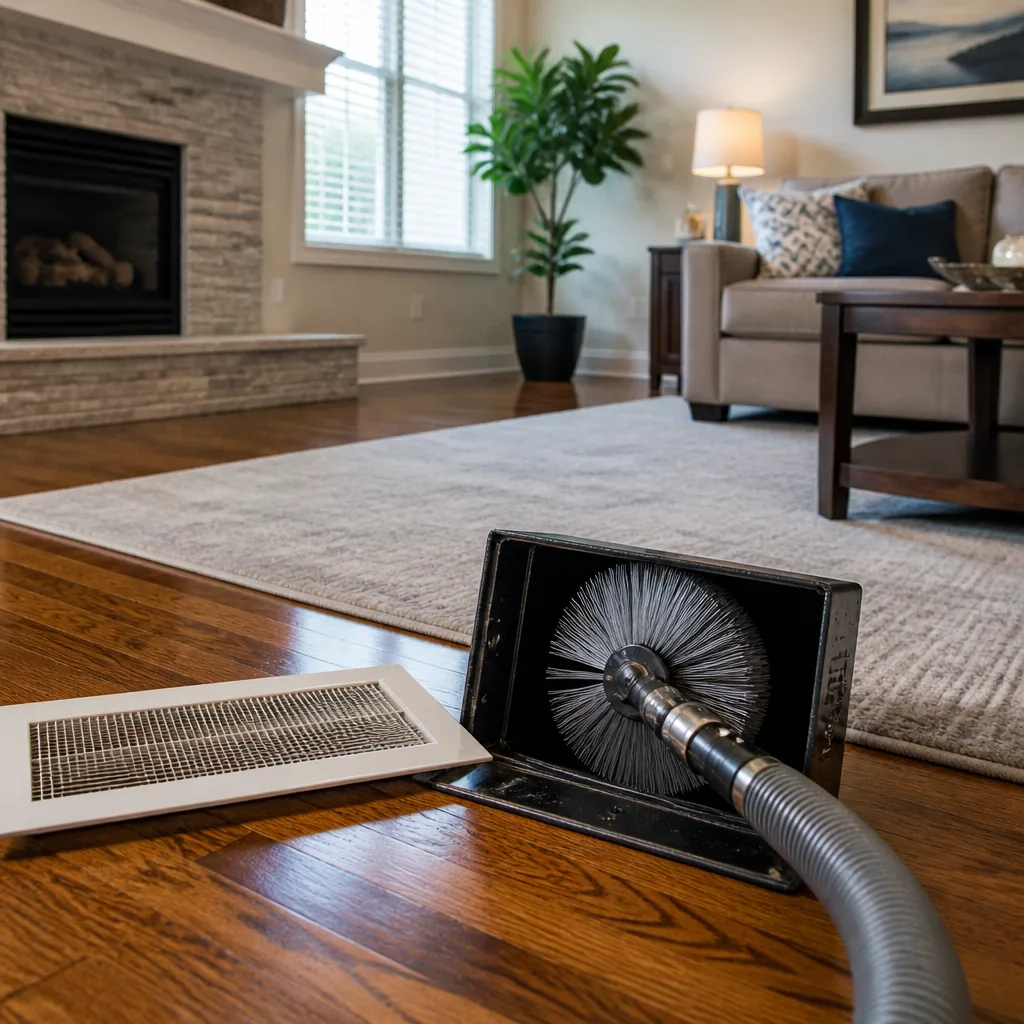 Whole-home duct cleaning
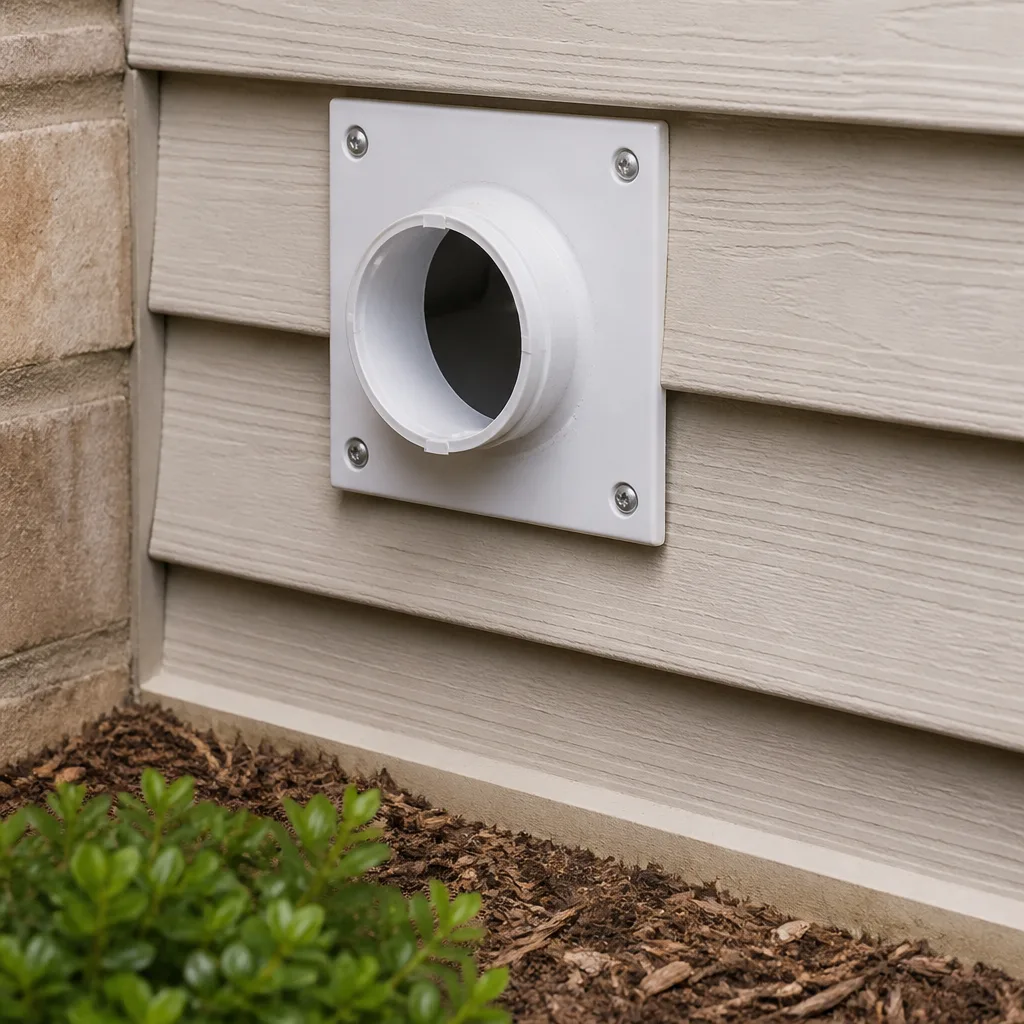 Dryer vent cleaning
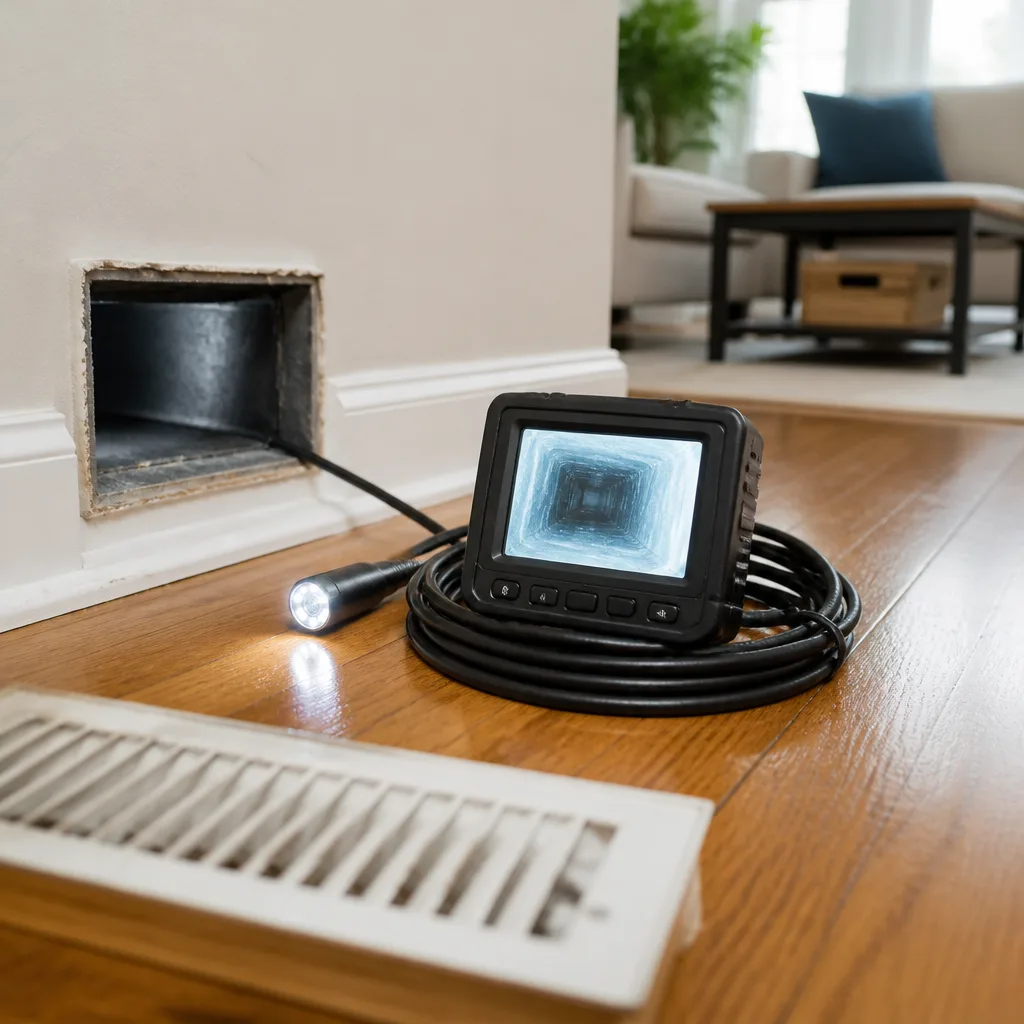 Camera inspection
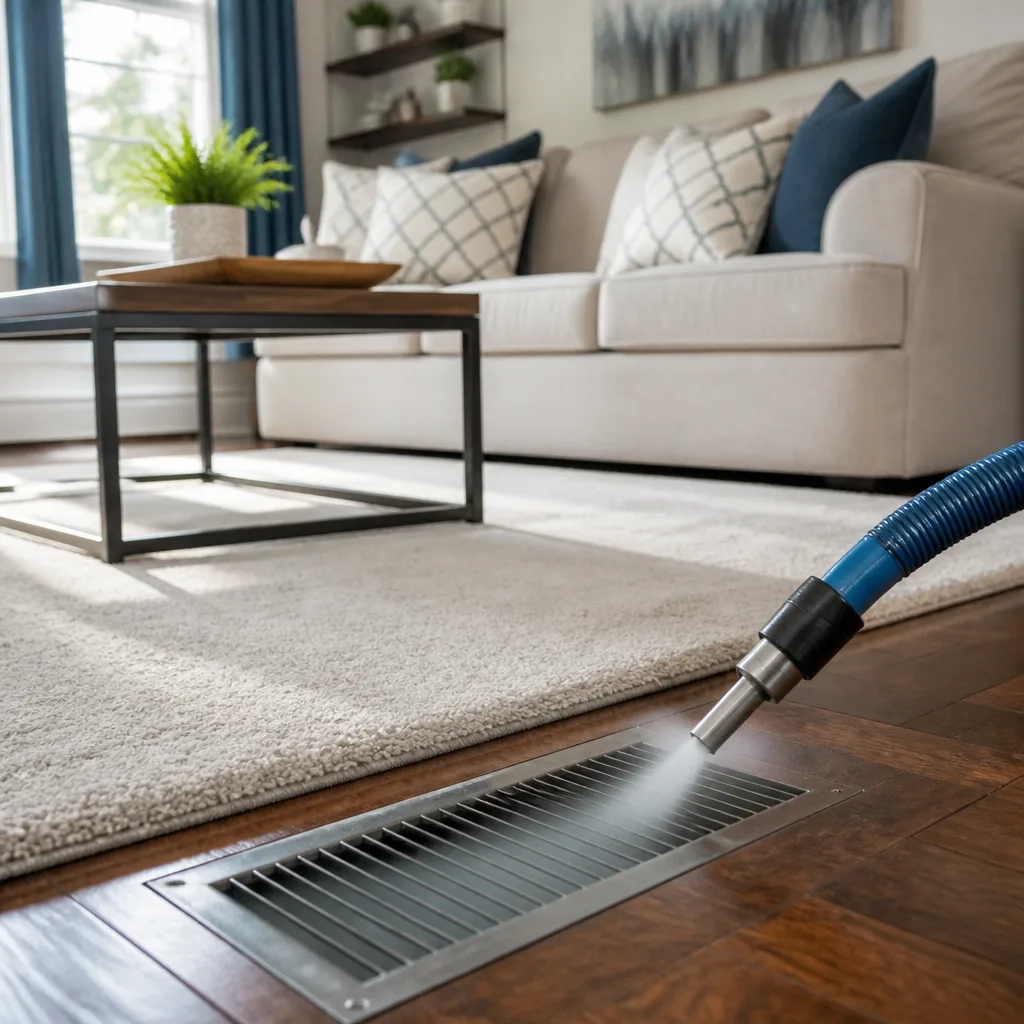 Sanitizing & deodorizing
Whole-system duct and dryer vent check with before-and-after photos - you see exactly what came out of your vents
That "$99 whole-house special" is a bait ad - the real number appears once they are in your hallway, or the "clean" is a shop-vac at the register. We photograph the inside of your ducts before and after instead.
Air Duct Cleaning Maintenance Schedule: What to Do and When
The most quoted number in this industry is the EPA’s 3-to-5-year cleaning guideline, and it’s the number most homeowners in Pembroke Pines should treat with caution. That window was built around temperate climates where interior duct surfaces dry out between cooling cycles. In a humid subtropical zone, your air system runs almost year-round, condensation forms on cold coil surfaces, and the inside of your ductwork stays damp enough that biological growth can establish itself long before a generic calendar would have you call anyone. This guide replaces the industry average with a schedule built around your household: your pets, your renovation history, your allergy load, and the way Pembroke Pines humidity actually behaves. By the end, you’ll know how often your ducts need professional attention, what you should be doing between visits, and how to time service to the local cooling season.
Quick Answer
In Pembroke Pines, most homes should have their air ducts professionally cleaned every 2 to 3 years, not the 3 to 5 years you’ll see in national guidance, because year-round cooling and high humidity accelerate contamination and mold growth. Shorten that to every 18 to 24 months if you have pets, have completed a renovation, have allergy or asthma sufferers at home, or live in an older home with original ductwork. Between professional visits, the homeowner’s job is filter changes, register wipe-downs, and simple visual checks. Schedule the cleaning itself before peak cooling season in April.
Styles & brands we work with
- Whole-home duct cleaning
- Dryer vent cleaning
- Camera inspection
- Sanitizing & deodorizing
Table of Contents
- Why Florida Changes the Standard Cleaning Timeline
- The Condition-Based Maintenance Matrix
- What You Should Do Between Professional Visits
- Seasonal Timing Logic for Pembroke Pines
- How to Track Duct Condition Over Time
- Upstream HVAC Tasks That Extend Duct Cleanliness
- When Cleaning Isn’t the Answer: Repair as Maintenance
Why Florida Changes the Standard Cleaning Timeline
An air conditioning system in a temperate climate runs seasonally. It cycles, it rests, and during the resting months the interior of the ductwork has a chance to dry out completely. A system in Pembroke Pines does something different. It runs nearly every day of the year, which means the evaporator coil stays wet, the supply plenum stays cool, and the return side pulls in warm humid air from the living space on a continuous loop. That temperature differential between the cool duct interior and the warm humid exterior is what produces condensation. Standing moisture on duct lining, on insulation facing, or on the coil itself is the precondition for mold, and mold does not consult a maintenance calendar.
We’ve pulled register covers in Pembroke Pines homes where the only visible problem was a light dust film, and we’ve pulled them in homes of identical age where the flex duct lining was damp and discolored. The difference wasn’t the cleaning schedule. It was the conditions: a home with two dogs, a recent kitchen renovation, and a return filter that hadn’t been changed in eight months.
This is why national guidance is a floor, not a target. It tells you the minimum interval at which ducts definitely need attention. It does not tell you when your ducts need attention.
- Year-round cooling keeps duct interiors cool and condensation-prone
- Outdoor humidity in the 70 – 90% range pushes moisture into return air
- Older homes with original flex duct and degraded insulation trap more moisture
- Homes near standing water, heavy landscaping irrigation, or low-lying lots see more ambient humidity
If your system is already showing signs of contamination, our air duct cleaning service uses Rotobrush rotary-brush equipment and Nikro HEPA vacuums to remove debris at the source rather than blowing it back into the living space.
The Condition-Based Maintenance Matrix
Instead of a single interval, build your schedule from the conditions actually present in your home. Each condition below shortens or lengthens the interval. Start at 3 years for a clean baseline home and adjust.
- Pets (one or more, any size): subtract 6 to 12 months. Pet dander and hair bind to duct surfaces and hold moisture.
- Recent renovation or construction: schedule a cleaning within 60 days of completion, then resume your regular interval. Drywall dust and sawdust settle into every branch line.
- Allergy or asthma history in the household: subtract 12 months. The whole point of professional cleaning is removing the reservoir of allergens from the system.
- Home older than 20 years with original ductwork: subtract 6 months and inspect for leaks and disconnections at the same time.
- Smokers in the home: subtract 6 to 12 months. Smoke residue binds to duct lining and is difficult to remove once it sets.
- High-occupancy home or a rental property with frequent turnover: subtract 6 months. More occupants means more particulate load.
- No pets, no allergies, filter changed on schedule, home under 15 years old: you can extend to the 3-year end of the range, but not beyond, given local humidity.
Worked example: a Pembroke Pines home with two cats, one allergy sufferer, and original 1990s flex duct lands at roughly 12 to 18 months between cleanings. The same house without the pets and allergy sufferer lands at 2 to 3 years.
Write your number down. Then track it. That’s the whole system.
What You Should Do Between Professional Visits
The professional cleaning removes what’s already in the system. The homeowner’s job is preventing new accumulation and catching problems early. These tasks are simple and don’t require any tools beyond a screwdriver and a vacuum with a brush attachment.
- Change the filter on a schedule tied to the filter type, not the calendar. A 1-inch pleated filter in a Pembroke Pines home running year-round needs replacement roughly every 60 to 90 days. A 4-inch or 5-inch media filter can go 6 to 12 months. Write the change date on the filter edge with a marker so you know when it went in.
- Wipe the register grilles every 30 to 60 days. Remove the grille with a screwdriver, wipe both faces with a damp microfiber cloth, dry completely, and reinstall. This is the single most visible part of your system, and it tells you what’s moving through it.
- Shine a flashlight into the duct throat at two or three registers every 3 months. You don’t need to reach in. Look for visible dust buildup on the interior surfaces, discoloration that might indicate moisture, and any debris that’s settled near the boot.
- Look for condensation on the register faces or the supply plenum. If you see water beading on the outside of a supply register or on the duct surface itself, the insulation or the seal is failing and it needs professional attention.
- Watch for musty odor at startup. Smell the first air out of a register when the system starts after being off. A musty smell is moisture in the system, and it’s a signal to move your cleaning forward.
- Check the return grille filter housing for gaps. If you can see light or feel air moving around the filter edges, unfiltered air is bypassing the filter and depositing directly into the coil and ductwork.
None of this replaces professional cleaning. All of it tells you when you actually need it.
Seasonal Timing Logic for Pembroke Pines
Most homeowners schedule duct cleaning in January. That’s the wrong month here. In Pembroke Pines, the cooling season begins in earnest in May and continues through October, which means a January cleaning leaves your freshly cleaned system running for four months before peak load ever arrives. By the time July hits, you’ve accumulated four months of new dust load, and by August the system is working at its hardest against a partially recontaminated duct network.
April is the better target. You schedule the cleaning, the technician opens the system while it’s still relatively cool and idle, and the ducts go into peak season clean. The AC is running less during the service itself, which means less chance of disturbing the freshly cleaned surfaces before the job is done.
There are secondary timing considerations specific to the region:
- Before renovation, not after. If you’re planning a kitchen or bathroom remodel, clean the ducts before demo begins and again after final cleanup. The before-cleaning removes years of accumulated debris; the after-cleaning removes construction dust.
- After a water intrusion event. If your home had any water event (a slow leak, a toilet overflow, a storm intrusion), have the ducts inspected even if the water didn’t reach them – the humidity spike can trigger growth in the system.
- Before allergy season peaks. For allergy sufferers, the pre-spring window matters more than the pre-cooling window. Clean in February or March and you go into spring with a clean reservoir.
- Late summer as a second check. If you notice musty odor or a dust film on registers returning after a summer of heavy use, don’t wait for the next scheduled interval – schedule an inspection.
The Pembroke Pines climate doesn’t give your system a full off-season the way northern climates do. That makes seasonal timing about the load curve rather than the dormant period.
How to Track Duct Condition Over Time
Most homeowners rely on memory to decide when the ducts need cleaning, and memory fails. Technicians who upsell will tell you it’s been too long regardless of what your ducts look like. The solution is a simple physical record that shows change over time.
Here’s the method we recommend:
- Pick two registers you can access easily – typically one bedroom supply and the main return grille. These become your reference points.
- Use a clean damp white paper towel to swab the interior of each register throat. Not the grille – reach in past the grille to the flat surface of the duct just inside.
- Date and photograph the paper towel next to the register so the photo shows both the towel and the location.
- Do this every 3 months. Store the photos in a phone album labeled with your home address and the register location.
- Compare current swabs to the swabs taken right after your last professional cleaning. If the current swab shows noticeably more dark residue than the post-cleaning reference, your ducts are due.
This is more honest than any technician’s verbal assessment because you hold the evidence. If a cleaner tells you the ducts are in bad shape and your swabs don’t show it, you have a reason to ask questions. If the swabs show dark residue and you’d assumed things were fine, you have a clear signal.
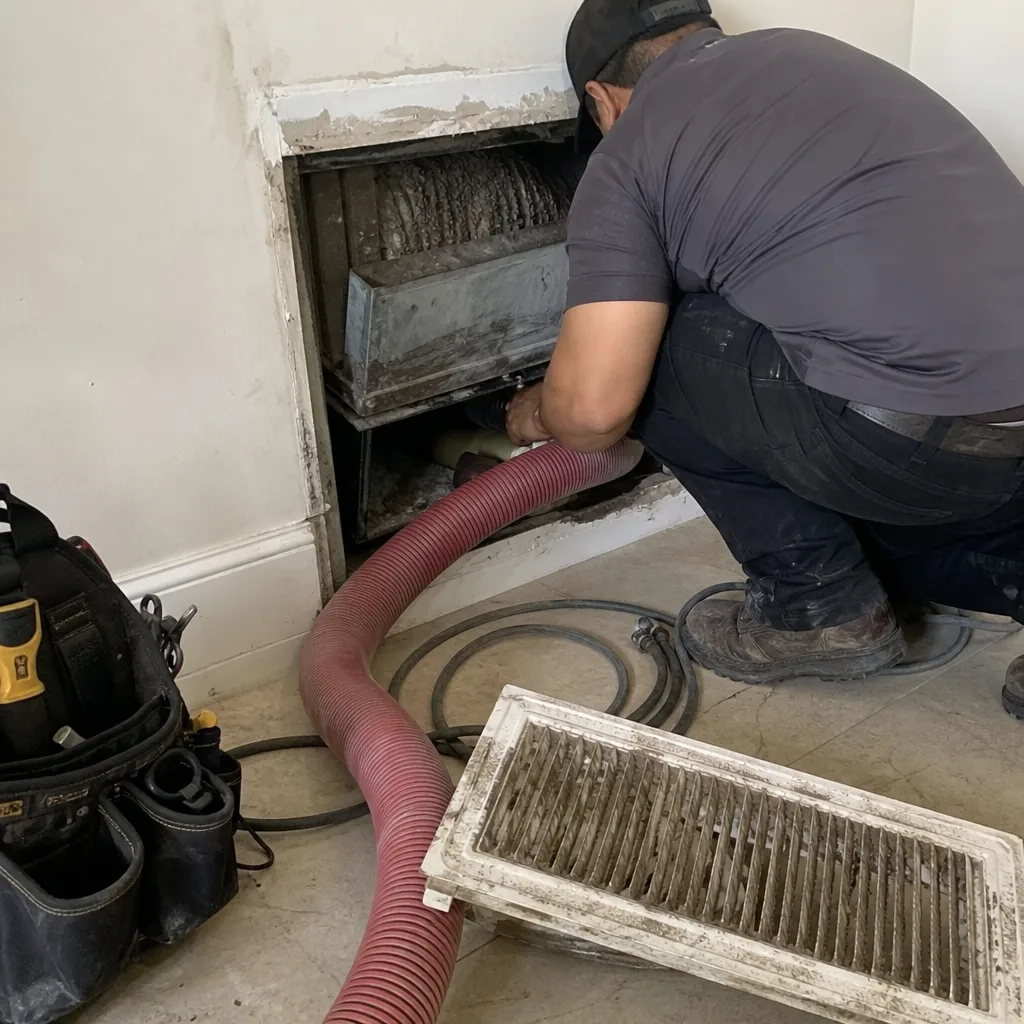
For added context, photograph the same register before and after your professional cleaning. Before-and-after photos of your own system are the most direct proof that the work was done. Ask any company you hire to provide before-and-after photos of your specific ducts – not a generic portfolio shot.
Upstream HVAC Tasks That Extend Duct Cleanliness
Your ducts don’t get dirty in isolation. Most of what ends up in the ductwork passes through or past the heating and cooling equipment first. If the coil is fouled and the drain pan is growing slime, no amount of duct cleaning will keep the system clean for long. The upstream tasks below belong in the same scheduling window as the duct cleaning itself.
- Evaporator coil cleaning. The cooling coil is a wet surface. Dust and biological growth stick to it, and the growth gets aerosolized into the supply air. A dirty coil is a continuous contaminant source. Building coil cleaning into your duct cleaning visit means the contaminants start fresh from a clean coil.
- Drain pan treatment. The condensate pan under the coil holds standing water for most of the year in Pembroke Pines. If the pan has a slime layer or a musty smell, that odor will travel through your supply air no matter how well the ducts are cleaned. Pan treatment and cleaning should happen in the same visit.
- Condensate drain line check. A partially clogged drain line means water backs up and the pan stays full. Clear it during the same service.
- Blower wheel cleaning. The blower vanes collect dust and reduce airflow, which makes the coil run colder and condense more water. Cleaning it improves both efficiency and duct dryness.
- Filter housing inspection. Check the filter slot for bypass gaps and seal them. Unfiltered air is the largest single cause of return-side contamination.
If your home has a premium IAQ system – we work with Honeywell and Aprilaire equipment regularly – coordinate with the technician during the cleaning so the humidifier, dehumidifier, and media cabinets are handled consistently with the rest of the system. Pulling and reinstalling that equipment without understanding it can void manufacturer expectations.
Abatement Technologies negative-air equipment during service keeps contaminants contained to the work area, which is the standard we hold to on every job.
When Cleaning Isn’t the Answer: Repair as Maintenance
There’s a version of duct maintenance that no amount of cleaning can solve: a duct network that’s physically compromised. If a flex duct run has pulled loose from a boot in the attic, if a trunk line has a tear in its jacket, if a branch line has collapsed, or if the insulation facing on an older duct has degraded, the system is drawing contaminated air from the attic, garage, or wall cavity into the living space with every cycle. Cleaning that system just removes what’s already there; the leak will recontaminate everything within months.
Recognizing the signs matters:
- Uneven airflow between rooms in the same home
- Particularly high dust accumulation on registers in one room while others stay clean
- Attic or garage smell entering the living space during system startup
- Higher than usual electric bills without a change in usage
- Visible disconnection or damage at the boot or plenum when you look through a register
If any of those sound familiar, ask for an inspection with a repair scope, not just a cleaning quote. A duct cleaning without repairing the leak is a recurring expense. Our Ashford Air Duct Cleaning approach treats cleaning and repair as one conversation because the two problems share a cause: the physical condition of your air system.
Dryer vent cleaning belongs on this yearly schedule too, though on a different interval: every 12 months for most households, and more often for high-use households. It’s one of the leading causes of residential fires, and it’s often skipped by HVAC-only companies who don’t provide it. Our dryer vent cleaning service addresses this on its own cadence.
Common Mistakes to Avoid
- Following the 3-to-5-year guideline as though it applied here. That national number was written for temperate climates. In Pembroke Pines, treating 5 years as the interval means going years past the point where your ducts actually need attention.
- Scheduling by calendar instead of by household conditions. A home with three pets and a recent renovation is a different system than a home with no pets and a clean filter history. The date on the calendar doesn’t tell you anything useful.
- Assuming new dust on the register means the last cleaning failed. Registers collect dust between cleanings by design. What matters is what’s inside the duct throat, not what’s on the grille face.
- Cleaning without addressing filter bypass. If unfiltered air is bypassing the filter housing, the ducts recontaminate within weeks. Fix the bypass before or during the cleaning.
- Cleaning a system with compromised ductwork and thinking the job is done. A disconnected flex run in the attic will pull attic dust into the living space regardless of how clean the ducts are. Repair and cleaning go together.
- Ignoring the coil and drain pan. These upstream components are a continuous contamination source. Cleaning the ducts without cleaning the coil is like mopping a floor with a dripping faucet overhead.
- Trusting a verbal assessment without physical evidence. If a technician tells you the ducts are terrible, ask to see what they’re seeing. If they can’t show you, the assessment isn’t data.
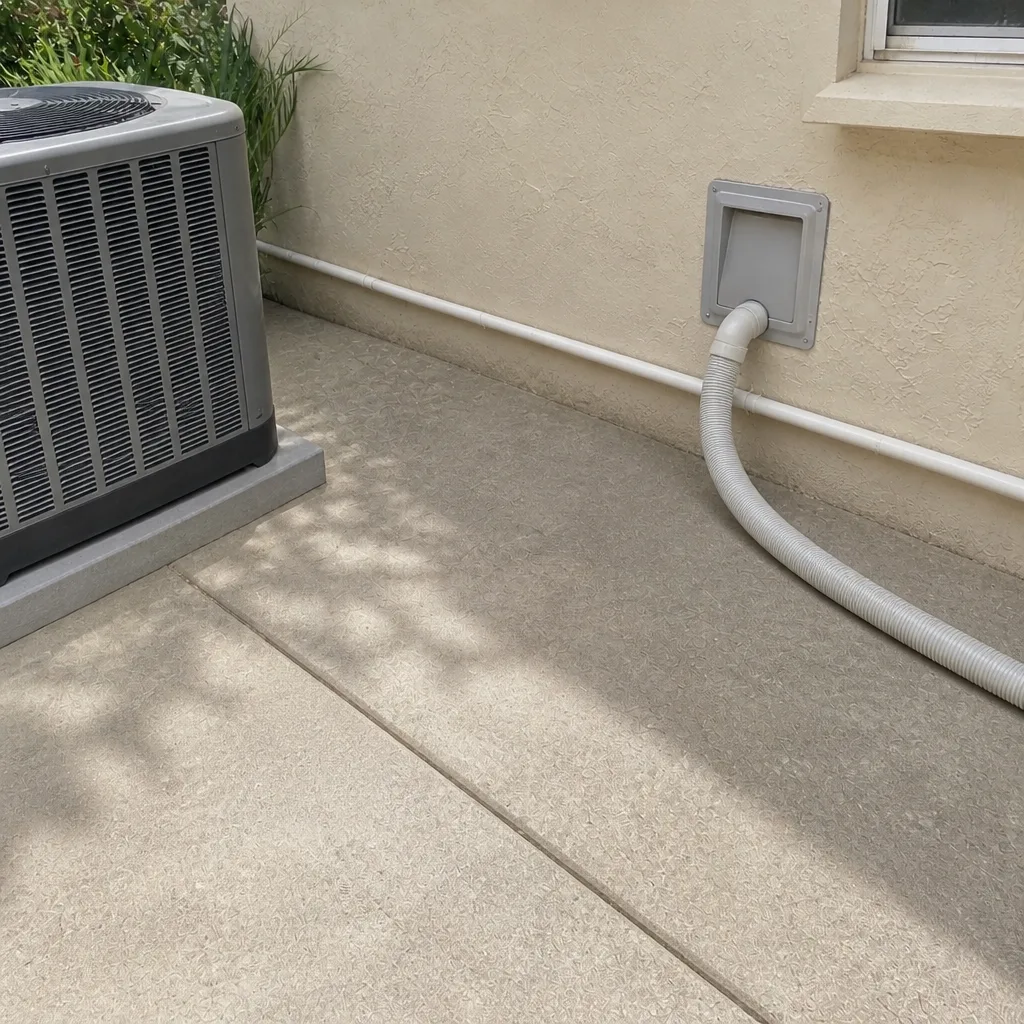
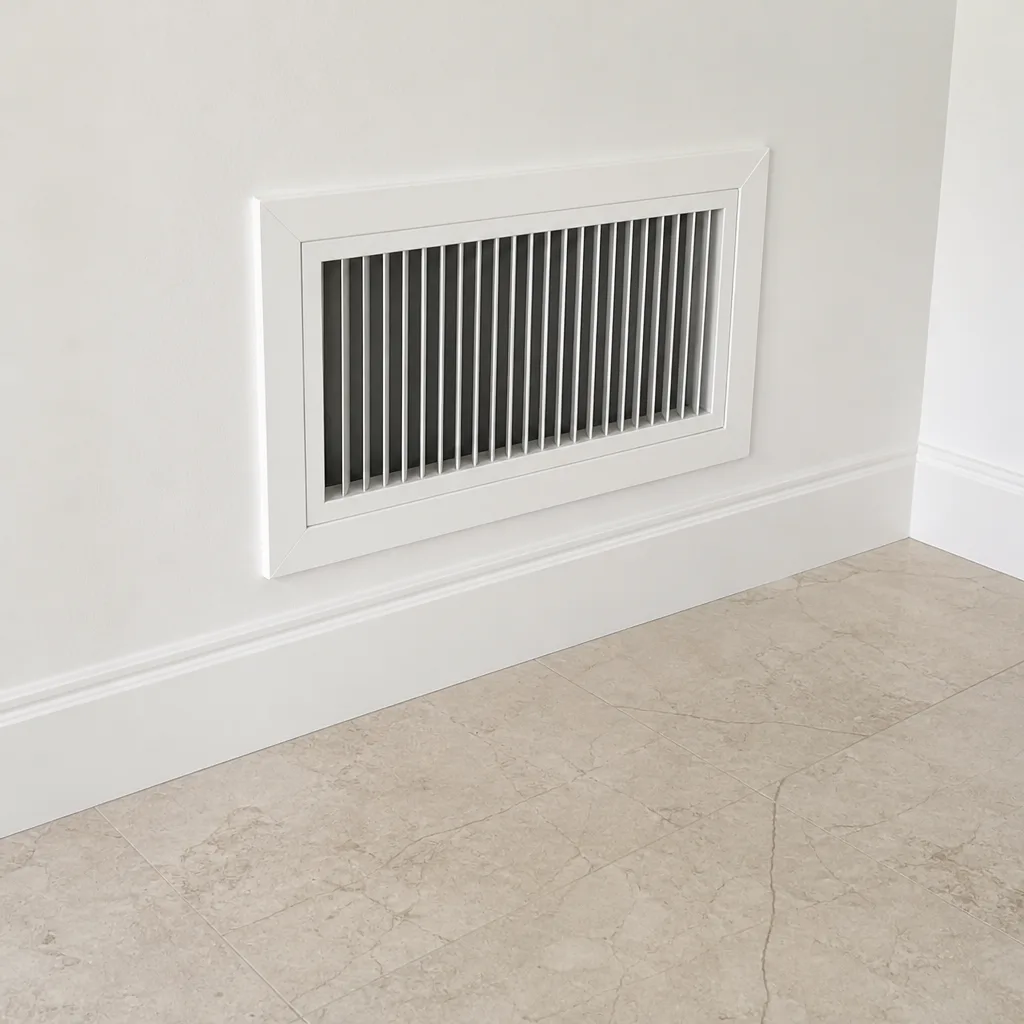
See the difference
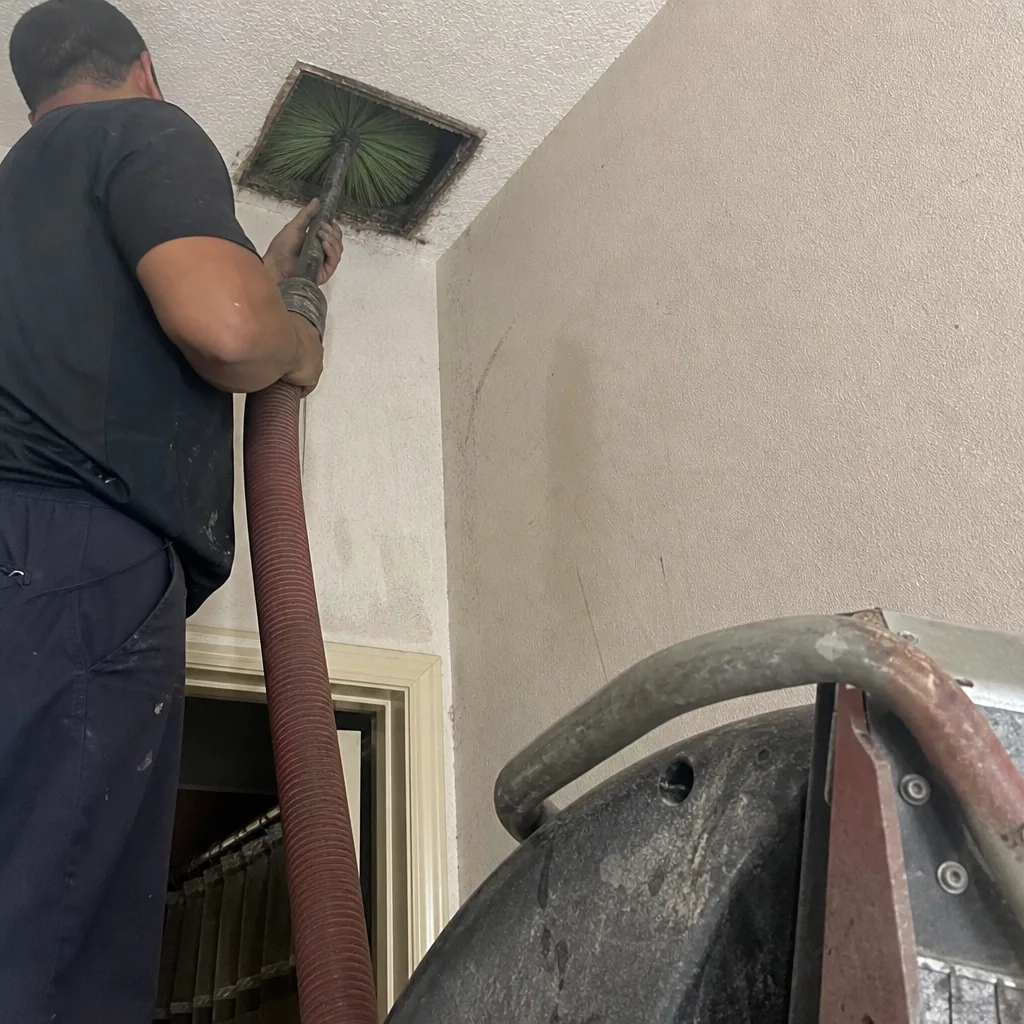 Before
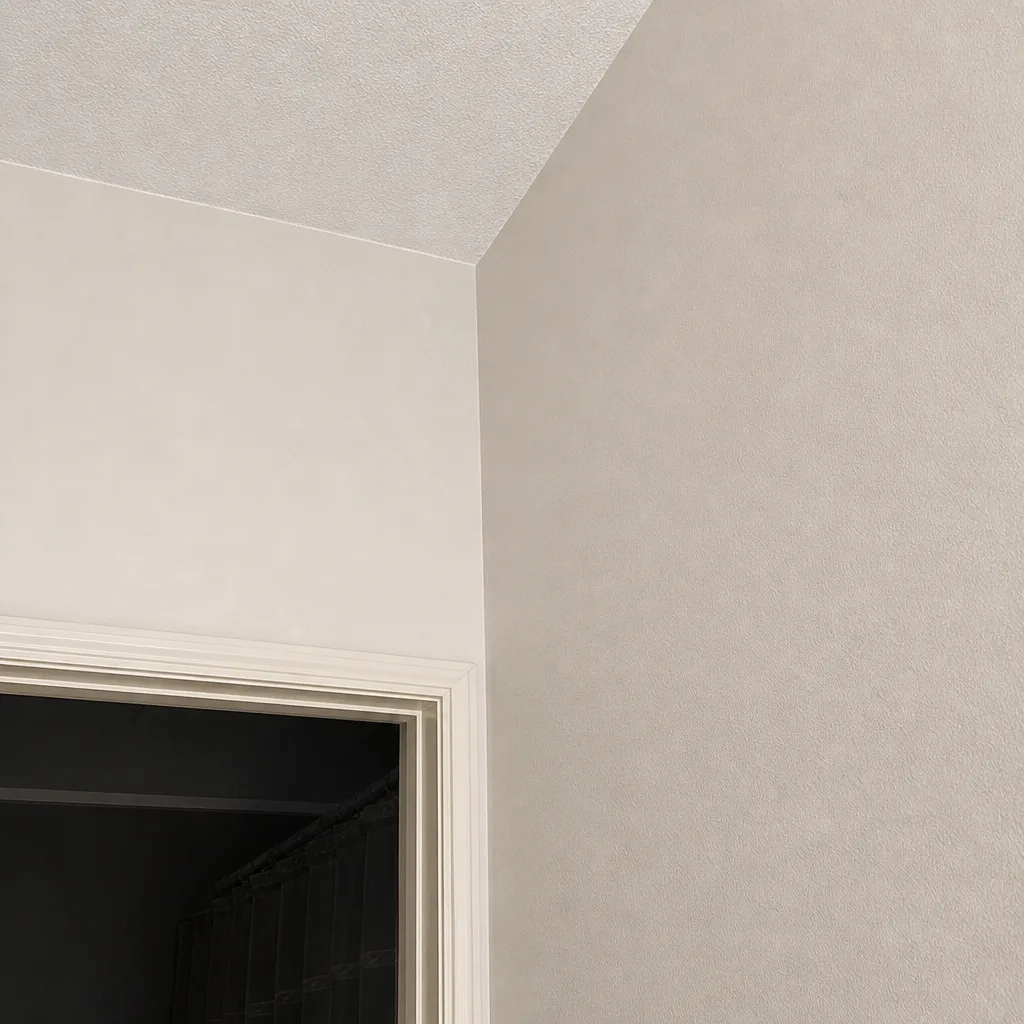 After
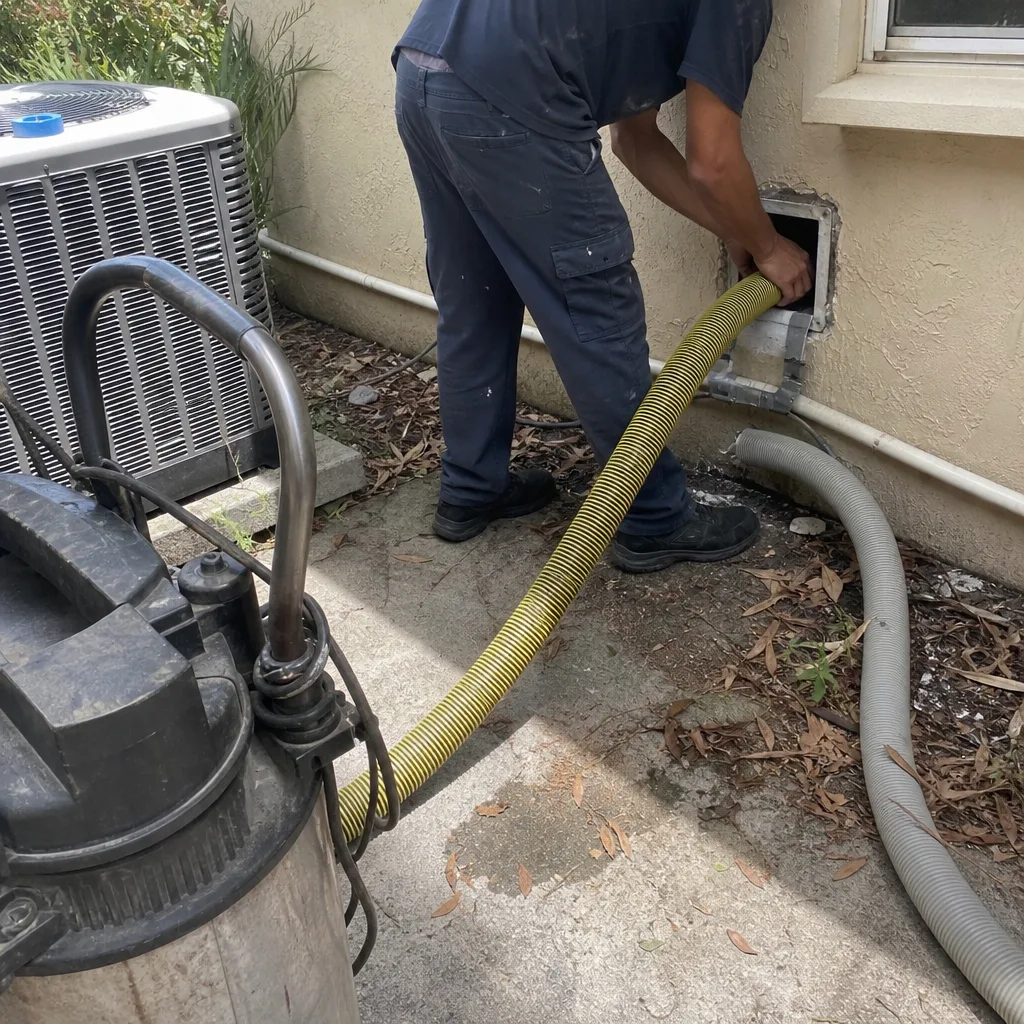 Before
 After
 Before
 After
When to Call a Professional
Some conditions call for a scheduled cleaning on your calendar. Others call for an inspection call this week. Contact us if you notice any of the following:
- Musty odor at system startup that doesn’t clear within a minute
- Visible dust trails around register edges or streak marks on the ceiling
- Recent renovation completed within the past 60 days
- Water intrusion event anywhere in the home, even if it didn’t reach the ducts
- Visible mold inside a register or on the grille
- Uneven airflow between rooms suggesting a duct leak
- More than 2 years since your last professional cleaning in a pet household
Ashford Air Duct Cleaning offers free estimates in Pembroke Pines – call (855) 508-8964. Our technicians have up to 15 years of experience, and we use Rotobrush and Nikro equipment on every job. We answer 24/7. Fast dispatch from 7am to 7pm, Sunday through Friday.
Frequently Asked Questions
In Florida, most homes should have their air ducts cleaned every 2 to 3 years, with pet households, homes with allergy sufferers, and homes with recent renovation history landing closer to every 18 to 24 months. The 3-to-5-year guidance you see on many sites was written for temperate climates where the system runs seasonally and duct interiors dry out. In Pembroke Pines, the system runs year-round and the interior surfaces stay damp, which shortens the interval. Call (855) 508-8964 for a free estimate on your specific home.
Yes. Year-round cooling in Pembroke Pines keeps evaporator coils and supply duct interiors cool, and the warm humid air in the living space condenses on those surfaces. That standing moisture accelerates mold growth and dust adhesion, which is why the local interval is roughly half the national 3-to-5-year guideline. Track the actual condition of your ducts with register swab photos rather than relying on the year alone.
Change the filter on schedule (60 to 90 days for a 1-inch pleated filter in a Pembroke Pines home running year-round, longer for a 4-inch or 5-inch media filter), wipe the register grilles with a damp microfiber cloth every 30 to 60 days, and look into two or three registers with a flashlight every 3 months to check for visible buildup or moisture. These tasks cost almost nothing and tell you when professional service is actually due.
Schedule before. April is the ideal window because it lands before peak cooling load in May through October, so your cleaned system goes into the hardest part of the year with nothing accumulated. A January cleaning is four months stale by the time summer peaks. For allergy sufferers, February or March is a reasonable alternative. Call (855) 508-8964 to book a slot before the season starts.
Track it yourself with a register swab test: use a clean damp white paper towel to wipe inside a register throat, photograph and date the towel every 3 months, and compare the current swab to the one taken right after your last professional cleaning. When the swab shows noticeably more dark residue than the post-cleaning reference, that’s a real signal. Any company worth hiring will use Rotobrush rotary-brush equipment and show you before-and-after photos of your own ducts, not a generic portfolio. Call (855) 508-8964 if you want a free assessment.
A cleaning removes accumulated dust and contaminants from intact ducts. A repair addresses a duct that’s broken, disconnected, torn, or degraded, which is a problem cleaning can’t fix because the leak will recontaminate the cleaned system. If you have uneven airflow between rooms, dust accumulating on registers in only one room, or attic smell at system startup, ask for an inspection that includes a repair scope. Repairing first and then cleaning is the right order when leaks are present.
The Bottom Line
Pembroke Pines is not a temperate climate, and a maintenance schedule built for one will let your ducts sit contaminated for years past the point they needed service. The right approach has three parts: build your interval from your household conditions (pets, renovations, allergies, home age) starting at 2 to 3 years rather than 3 to 5; schedule the cleaning before April so the system enters peak cooling clean; and track duct condition yourself with register swabs and photos so you’re never relying on a technician’s upsell or your own memory. Between visits, filter changes and register wipe-downs cost almost nothing and tell you exactly when to call. When the physical ductwork is compromised, repair comes before cleaning – a leak recontaminates a clean system within months. Clean, repair, protect, in that order, and the schedule takes care of itself.
Call (855) 508-8964 for a free estimate. We answer 24/7. Fast dispatch from 7am to 7pm, Sunday through Friday.
Written by the team at Ashford Air Duct Cleaning.