
Last updated November 15, 2026
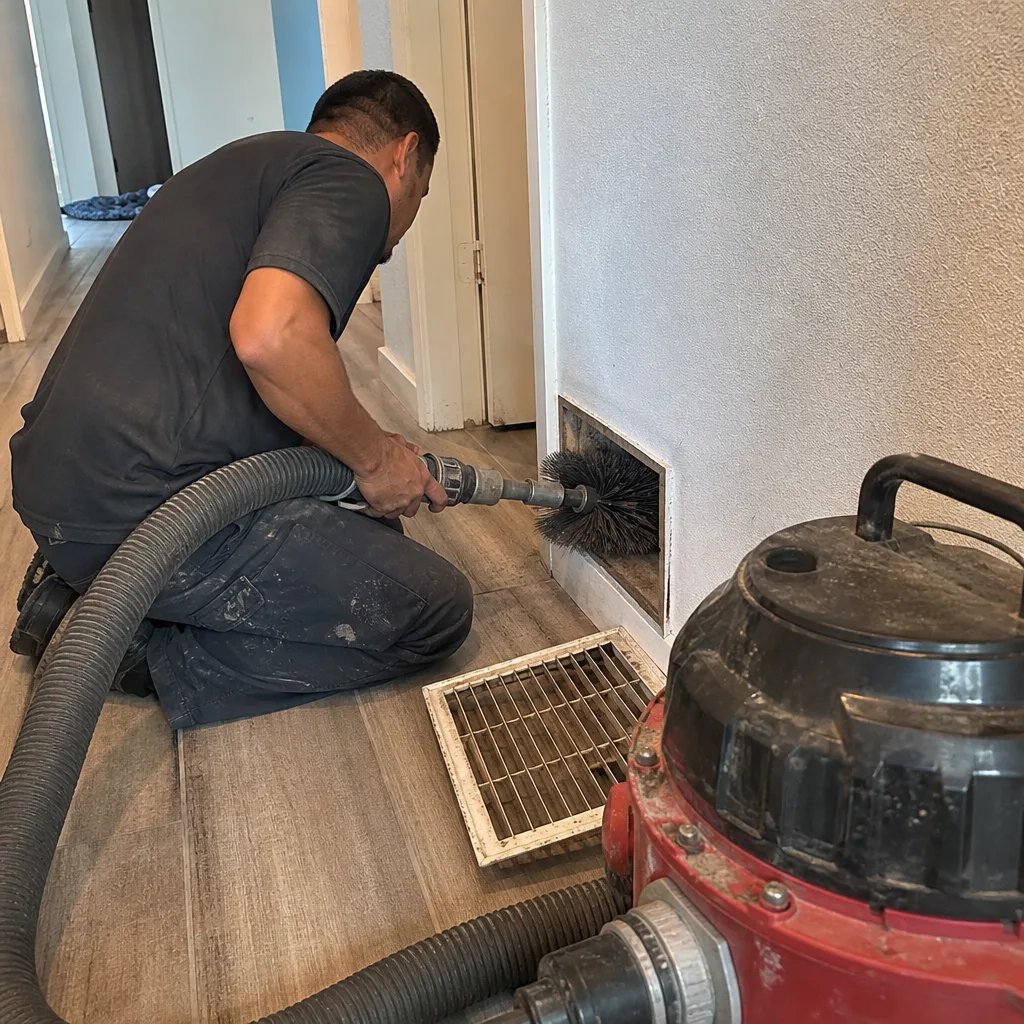
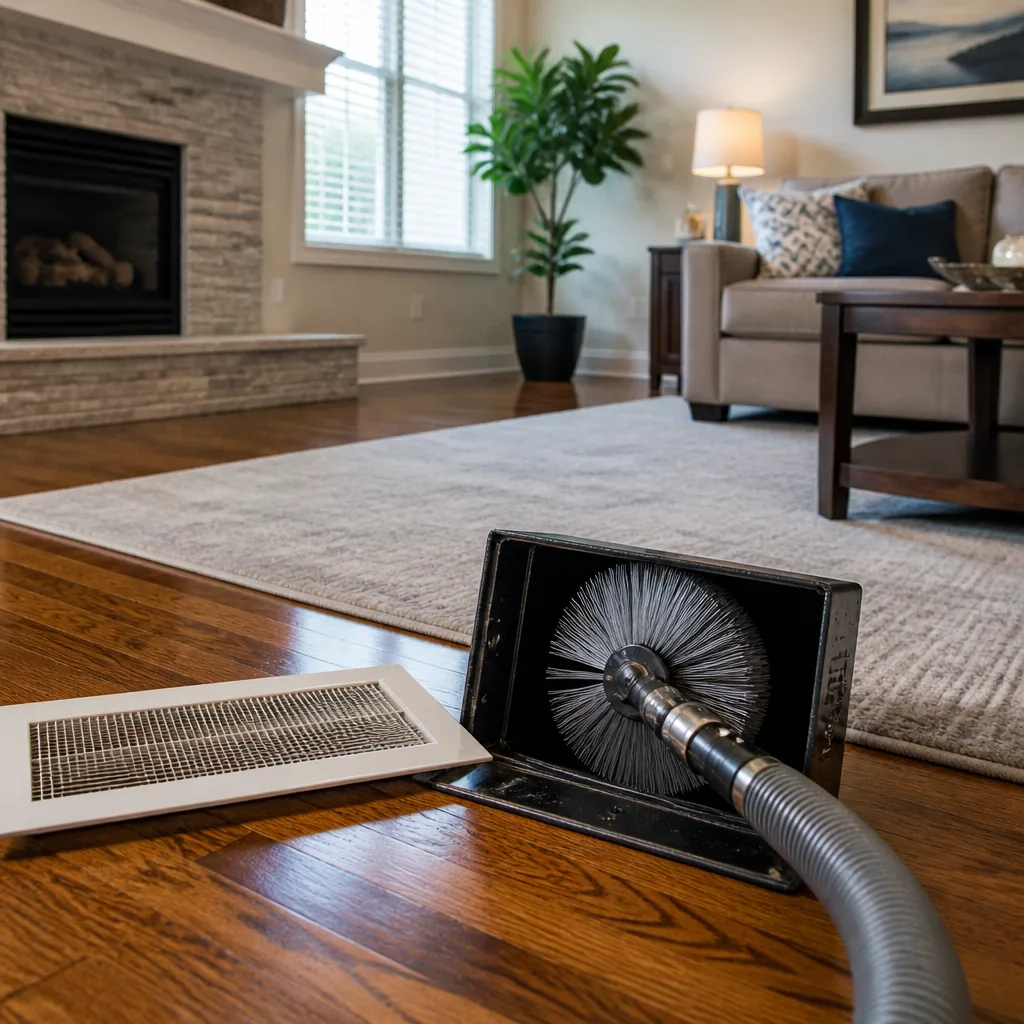 Whole-home duct cleaning
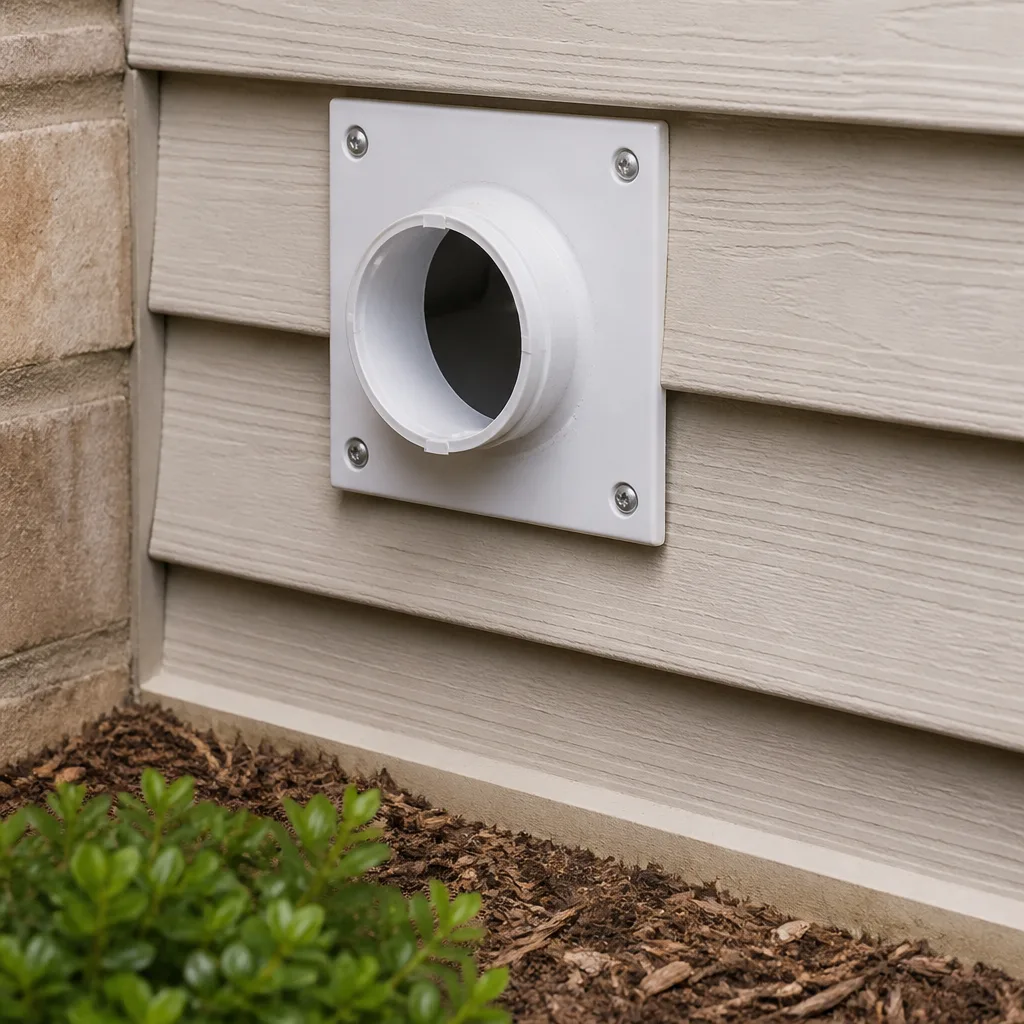 Dryer vent cleaning
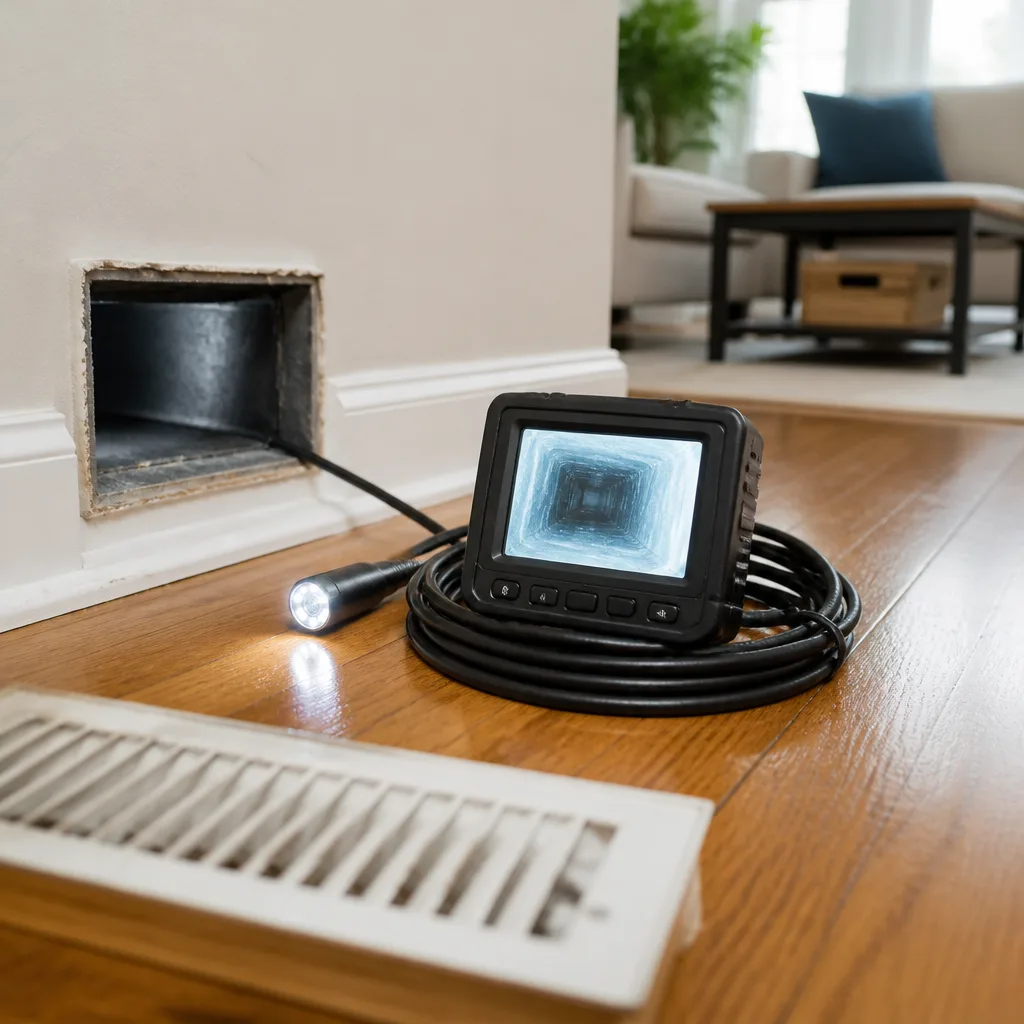 Camera inspection
 Sanitizing & deodorizing
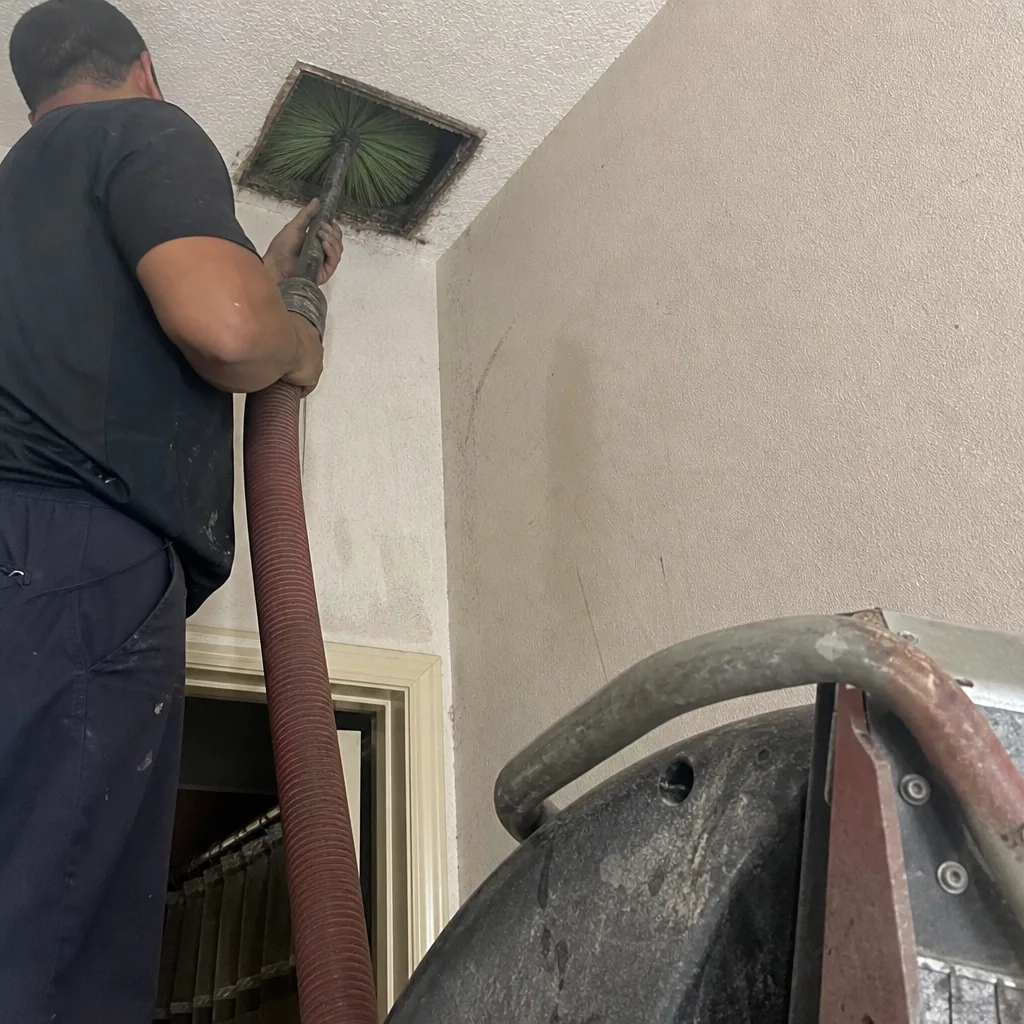
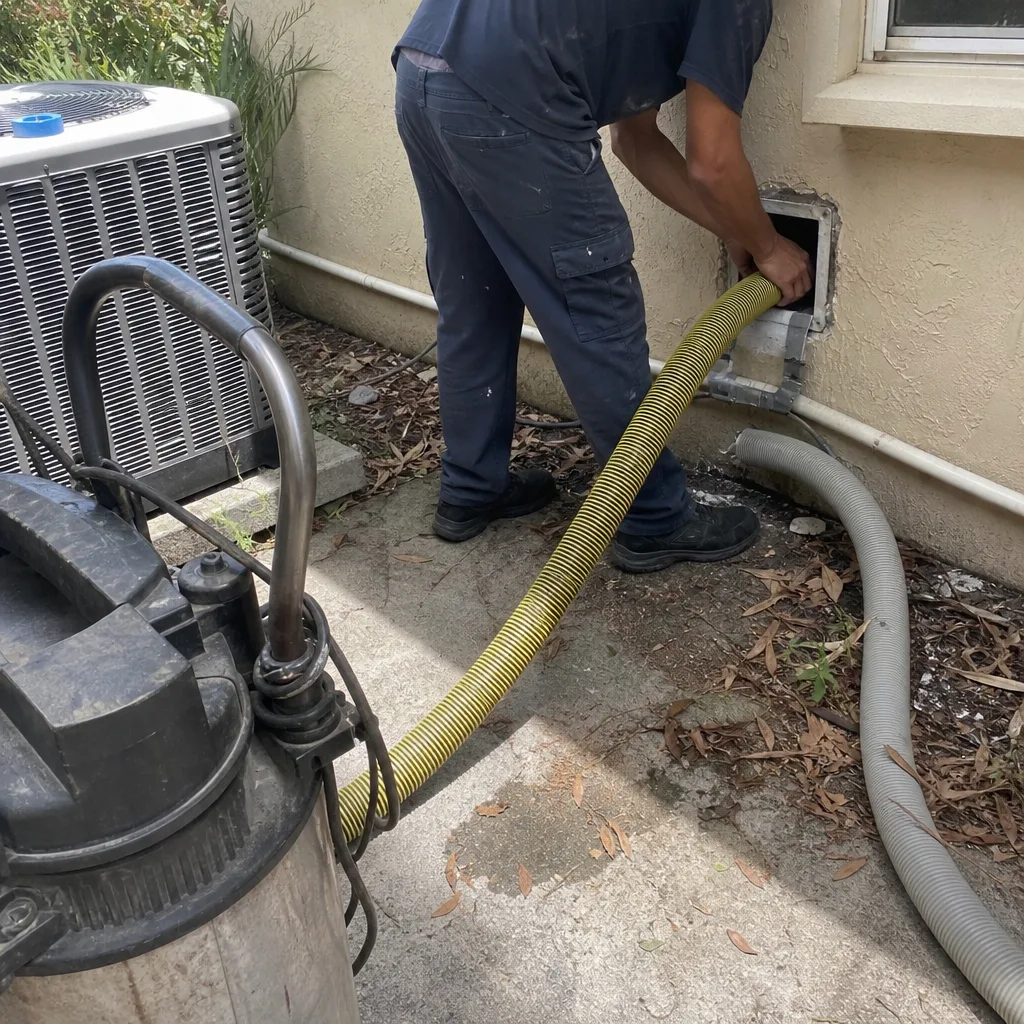
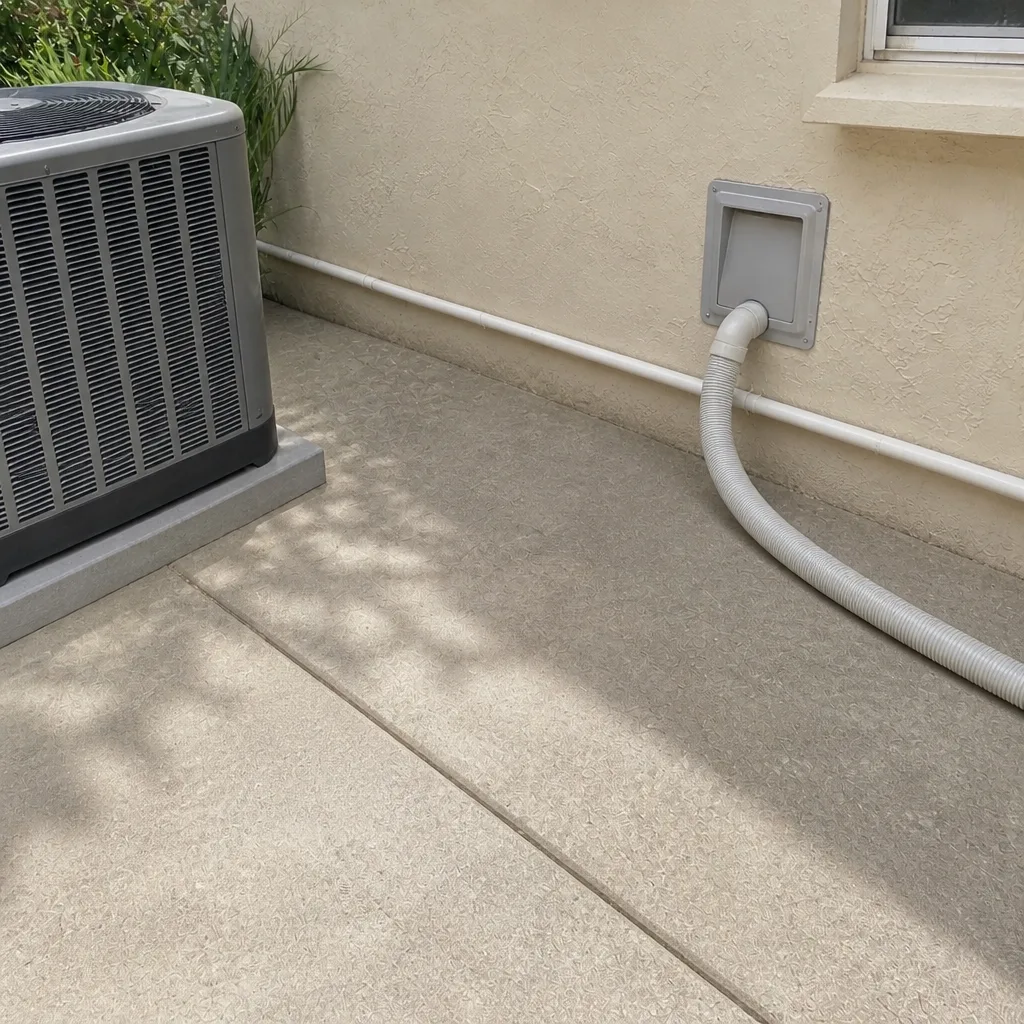
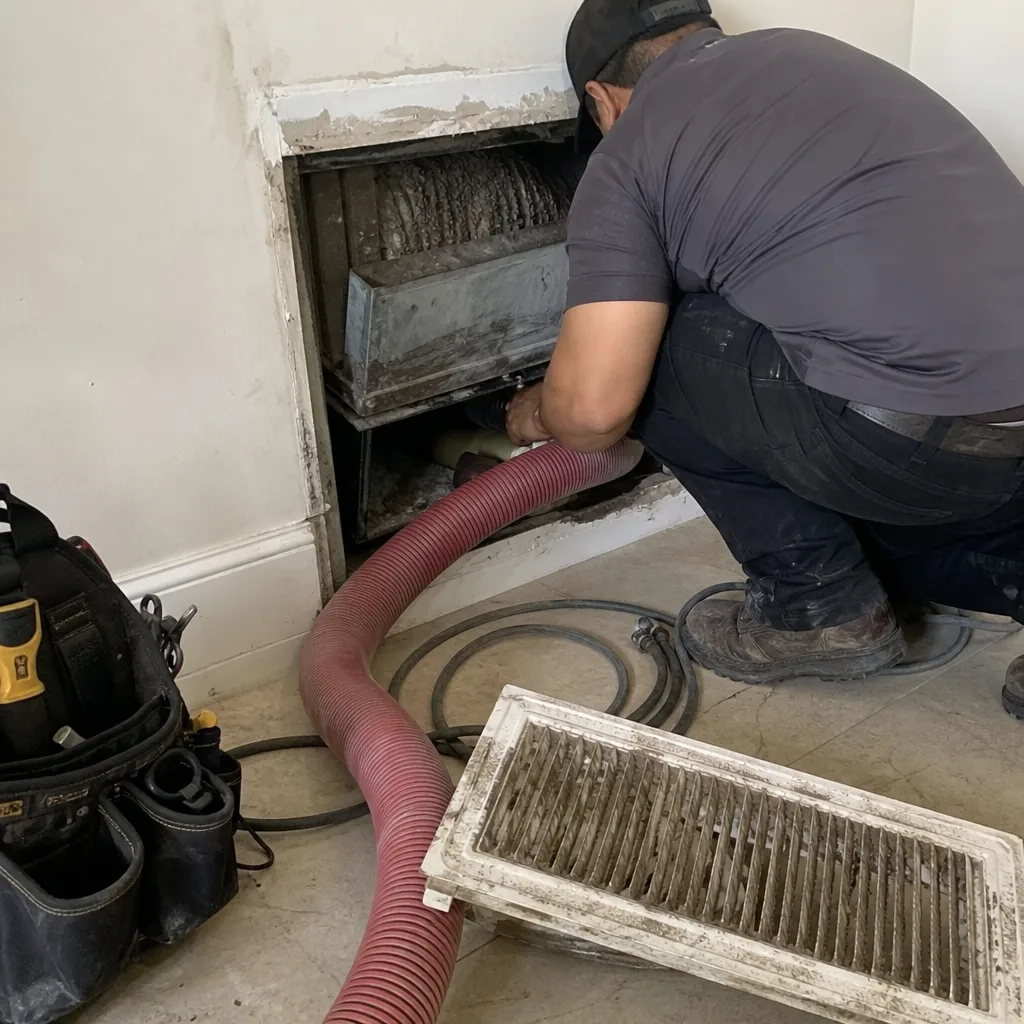
Whole-system duct and dryer vent check with before-and-after photos - you see exactly what came out of your vents
That "$99 whole-house special" is a bait ad - the real number appears once they are in your hallway, or the "clean" is a shop-vac at the register. We photograph the inside of your ducts before and after instead.
Air Duct Cleaning Maintenance Checklist for Pembroke Pines Homeowners
Most duct maintenance advice you’ll find online was written for a house in Ohio. Change the filter every 90 days, vacuum the vents, done. That calendar logic falls apart in South Florida, where the air handler runs almost year-round and the real threats to your air system are moisture, condensate, and joints that quietly pull apart behind the drywall. A clogged drain pan or a disconnected flex duct joint will undo a professional cleaning faster than any amount of ordinary dust buildup, and both are things you can spot before they turn into a repair bill. This guide gives Pembroke Pines homeowners a checklist built around those failure points: what to look at monthly, quarterly, and yearly, what you can handle yourself, and what needs a technician.
Quick Answer
A workable air duct maintenance routine for a Pembroke Pines home has three layers: a monthly walk-through of vents and the air handler for moisture and airflow cues, a quarterly filter and condensate check, and a professional cleaning and inspection on a schedule set by your home’s conditions rather than a fixed calendar. The point of the homeowner checklist isn’t to replace professional service. It’s to catch the small, cheap-to-fix problems (a slow drain line, a loose joint, a filter loading too fast) before they undo a cleaning or damage the system.
Styles & brands we work with
- Whole-home duct cleaning
- Dryer vent cleaning
- Camera inspection
- Sanitizing & deodorizing
Table of Contents
- Why Duct Maintenance in Pembroke Pines Doesn’t Follow a National Calendar
- The Monthly Walk-Through: What to Check at Every Vent
- Reading Filter Loading Rates as a Diagnostic Tool
- What to Inspect at the Air Handler Cabinet
- The Quarterly and Annual Checklist
- How to Document Conditions So Your Next Service Call Is Faster
- When Your Ducts Need Repair, Not Another Cleaning
- Common Mistakes to Avoid
- When to Call a Professional
- Frequently Asked Questions
Why Duct Maintenance in Pembroke Pines Doesn’t Follow a National Calendar
Pembroke Pines sits in a climate where the air conditioning system is less a seasonal appliance and more a permanent piece of the building. In most of the country, ducts get a break for months at a time. Here they don’t. The system cycles air through the same ductwork for the better part of the year, and every one of those cycles moves dust, pulls in humidity, and puts a small load on every joint and connection in the system.
That changes what maintenance should look like in three ways.
- Moisture is the primary enemy, not dust. Dust that settles in a duct is a nuisance. Moisture that condenses on a cold duct surface or pools in a drain pan is a problem, because that’s the condition where biological growth starts and where metal begins to degrade. In a Pembroke Pines home, humidity inside the return side of the system is the thing to watch.
- The air handler cabinet gets wet. The evaporator coil produces condensate every time the system runs, and the drain line carries it away. That drain line is one of the most commonly neglected components in a Florida home, and a slow or blocked line is behind a large share of the water damage we see near air handlers.
- Negative pressure finds weak joints. A return duct running through a hot attic or a garage ceiling is under constant negative pressure while the system runs. Any joint that wasn’t sealed well, or any flex duct that sagged or got stepped on during another trade’s work, will pull unconditioned, humid air into the system. That’s the disconnected flex duct joint problem, and it’s common in homes across Pembroke Pines, from the older neighborhoods near Pines Boulevard to newer construction farther west.
The practical result: the national “clean your ducts every three to five years” rule of thumb is a starting point at best. In Pembroke Pines, the schedule should be set by what you actually observe (filter loading, vent conditions, moisture signs) and by the age and condition of the ductwork itself. A tight, well-sealed system in a newer home may go longer between cleanings than a home with original flex duct and a history of moisture problems.
This is also why we treat air duct cleaning as an inspection opportunity, not just a cleaning job. The condition of the ducts tells you what’s happening in the rest of the system.
The Monthly Walk-Through: What to Check at Every Vent
A monthly walk-through takes about ten minutes and requires no tools. You’re looking for change, not perfection. Most vents in a healthy Pembroke Pines home will have a light film of dust on the grille; that’s normal. What matters is what’s different from last month.
At each supply vent
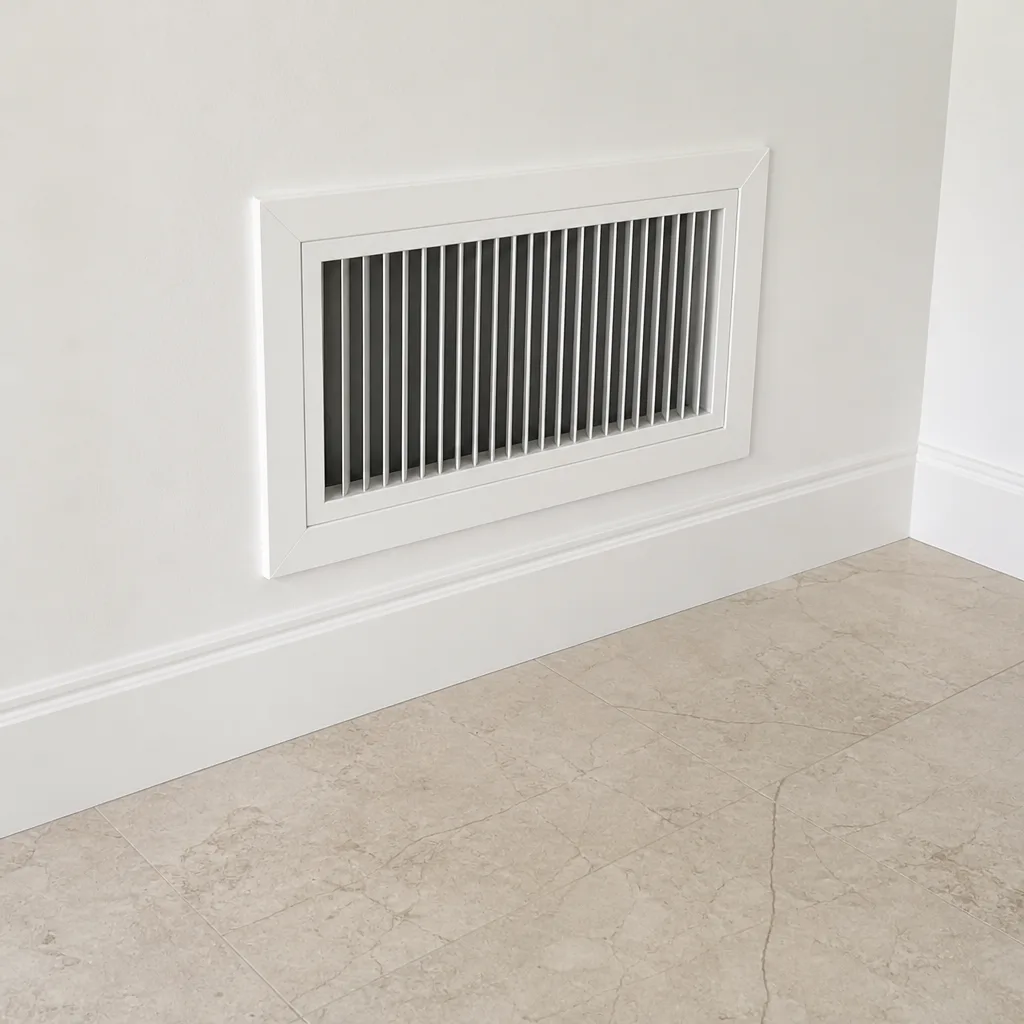
- Look at the grille face and the ceiling around it. A faint, even dust film is routine. A dark ring or halo around the perimeter of the grille is a sign of air leaking past the boot and pulling dust-laden attic or ceiling-cavity air with it.
- Check for staining on the drywall or ceiling. This is the important one in a humid climate. Brown or tan water staining around a vent points to condensation forming on a cold duct or boot, or to moisture entering from above. Gray or black speckling, especially in a pattern that spreads outward from the grille, is a different signal and worth flagging to a technician on the next visit.
- Feel the airflow with your hand. Compare vents room to room. A supply that’s noticeably weaker than the others may be a closed damper, a kinked flex run, or a disconnected joint. A supply that’s stronger than it used to be can mean a leak upstream is now dumping air into that run.
- Smell the air. A musty or “dirty sock” odor at one vent but not others suggests a localized problem in that branch of the system, not a whole-house cleaning need.
At each return vent
Returns do the heavy lifting in a duct system, and they’re where filter condition shows up first. Check that the filter is seated flat and hasn’t been pulled into the duct by airflow (a common issue with thin filters and a strong return). Look at the grille for dust accumulation, and note whether the return feels like it’s pulling hard. If a return seems to be whistling or pulling noticeably harder than usual, the system is starving for air, and that usually means a filter is loaded or a supply side restriction has developed.
The 60-second version
If you only do one thing monthly, walk the house and put your hand in front of every supply vent. Uneven airflow is the earliest, cheapest signal that something in the system has changed, and it costs you nothing to notice it.
Reading Filter Loading Rates as a Diagnostic Tool
Everyone knows to change the filter. Very few homeowners use the filter as a gauge. In our experience, the rate at which your filter loads tells you more about the health of your duct system than the filter’s rated life ever will.
Here’s the logic. A filter loads at a rate set by three things: how much dust is in the air being pulled into the return, how much air is moving through the filter, and how well the rest of the duct system is sealed. If any of those changes, the loading rate changes with it.
What filter loading patterns tell you
- A filter that loads faster than it ever has. Either occupancy in the home went up, or the system is pulling in more dust from somewhere it shouldn’t, like an unsealed return in an attic or a breached joint near a garage or crawlspace. If nothing changed in the household, suspect a duct leak.
- A filter that loads much more slowly than usual. Counterintuitively, this can be a warning. It often means air is bypassing the filter (sitting crooked, a gap around the frame) or that a return has come disconnected and is pulling air from a cavity instead of through the filter.
- A filter that loads unevenly. One corner dark, one corner clean usually means the filter isn’t seated flat, or airflow across the filter face is uneven because of a nearby duct restriction.
- A filter that loads on one side of the house faster than the other. If you have more than one return, comparing filters between them is a free leak detector. A return pulling from a leaky location will load its filter faster than one drawing from conditioned space.
How to turn this into a number
Write the date on the filter frame in pencil when you install it, and write the date again when you replace it. After two or three cycles you’ll have a real loading interval for your home, not a guess. Most Pembroke Pines homes land somewhere between one and three months. Once you know your baseline, any jump in that interval is worth investigating. A filter that used to last two months and now lasts six weeks is telling you something changed.
Use the manufacturer’s recommended filter for your system, and don’t chase the highest MERV rating you can find. A filter that’s too restrictive for the blower can reduce airflow, which is harder on the system than a slightly dustier duct.
What to Inspect at the Air Handler Cabinet
The air handler is where the most important and most overlooked maintenance happens. You don’t need to open panels you aren’t comfortable opening. You do need to know what to look at, because the two most common and most expensive problems in a Pembroke Pines air system start right here.
1. The condensate drain line and pan
The evaporator coil produces water every time the system runs, and that water has to leave. Find the drain line leaving the air handler cabinet and trace it as far as you reasonably can. Look for standing water in the drain pan under the coil, algae or slime growth in the pan or at the drain fitting, and any sign of water staining or softness around the cabinet base or the floor beneath it.
Standing water in a drain pan is a problem worth calling about. It’s the setup for biological growth inside the cabinet, and if the line is partially blocked it can overflow into the ceiling or closet where the air handler sits. Flushing the drain line is a routine maintenance task a technician can handle quickly. If you’re comfortable doing it yourself, follow the manufacturer’s guidance for your unit, but don’t skip it because it seems minor.
2. The coil access panel and cabinet seams
Look at the seams where the cabinet panels meet and where the ductwork connects to the cabinet. The plenum (the box connecting the air handler to the ducts) is a common leak point. Feel for air leaking out at the seams while the system is running. Look for tape that’s peeling, mastic that’s cracked, or gaps where a flex duct collar meets the cabinet.
Any air you can feel escaping at the cabinet is air you paid to cool leaking into a closet or attic. That’s an Ashford Air Duct Cleaning repair issue, not just a cleaning issue, and it’s exactly the kind of problem a professional sealing job can solve that a cleaning alone can’t.
3. The filter slot and the return plenum
Check that the filter slot is sealed and that the filter sits flat, with no gaps around the edges. A filter slot that’s too large for the filter, or a filter that’s been installed crooked, lets unfiltered air bypass the filter entirely and coat the coil. The return plenum between the return grille and the air handler is where to look for a disconnected or sagging flex run, which is common when ductwork was run tight through a closet or soffit.
What not to do
Don’t open the coil cabinet itself or attempt to clean the coil unless you’re trained to do it. The coil fins are easily bent, and the interior of the cabinet is where moisture and growth issues live; a technician has the right equipment (including HEPA-rated vacuum extraction and filtration) to handle it safely. Your monthly job is to look, not to open. If anything looks wet, stained, or loose, note it and hand it to a professional.
The Quarterly and Annual Checklist
Here’s where the homeowner checklist separates from the professional one. These are the tasks worth doing on a quarterly and yearly rhythm, split by who should do them.
Quarterly (you)
- Replace or clean the filter based on your own measured loading interval, not a fixed 90-day rule.
- Flush the condensate drain line per the manufacturer’s guidance, or have a technician do it.
- Vacuum the return and supply grilles with a brush attachment. This keeps dust off the face of the system and makes it easier to see staining changes.
- Check the exterior of the air handler cabinet for new water staining or soft spots.
- Confirm every supply vent is open and delivering airflow, and note any room that’s changed.
Quarterly (a technician)
- Inspect the evaporator coil and the interior of the air handler cabinet for biological growth and debris.
- Check the condition of the flex duct runs visible in the attic, garage, or soffits for sagging, disconnected joints, or crushed sections.
- Verify the condensate line is flowing freely and the drain pan is clean and dry.
- Check the return plenum and filter slot for bypass.
Annually (a professional, with the right equipment)
- A full source-removal cleaning of the supply and return duct system, done with rotary-brush and HEPA extraction equipment, not a shop vac or a portable blower.
- A duct repair assessment covering joints, connections, and any breached or disconnected sections.
- A dryer vent cleaning and inspection as a separate line item. This is a distinct system from your air ducts and a leading cause of residential fires when lint builds up, and it deserves its own annual check.
- A documented before-and-after record of the duct interior so you can compare conditions year to year.
Homeowners in Pembroke Pines sometimes ask whether the annual clean is really necessary given that the system runs all year. The answer depends on your ducts: a tight, well-sealed system with a consistent filter routine may not need cleaning every year, while a home with original flex duct, a leak history, or a prior moisture issue may need it more often. What matters is that the decision is made on evidence from an inspection, not on a coupon’s schedule.
The three-part service arc
Think of your annual checklist as three jobs that live under one roof: duct cleaning, dryer vent cleaning, and duct repair. A clean system that’s leaking at the joints won’t stay clean, and a repaired system that isn’t cleaned will carry its old debris forward. Doing all three with the same specialist means the findings from one service inform the others.
How to Document Conditions So Your Next Service Call Is Faster
Documentation is the least glamorous item on this checklist and the one that saves the most time. A technician arriving at a home with a written record of what changed and when can get straight to the right diagnosis instead of re-establishing a baseline from scratch.
Keep a simple log
A notebook, a note on your phone, a spreadsheet; any of them work. Log these entries, with dates:
- Filter replacement dates and, if you use more than one return, which filter.
- Any change in how long a filter lasts.
- Vent airflow changes by room (e.g., “guest room supply weaker than last month”).
- New staining, odor, or moisture signs, with a quick phone photo attached.
- Dates of any professional service, and the condition noted at that visit.
- Any home changes that affect air: renovation, new furniture, a new pet, a new baby, a change in occupancy.
Take photos, front and back
Photos cost nothing and settle arguments. A shot of the supply vent face and the ceiling around it, taken at the same angle each month, shows staining changes in a way memory can’t. The same goes for the air handler drain pan and the cabinet base. When a technician sees a photo with a date on it, they can tell whether a stain is old and stable or new and growing, and that changes the diagnosis.
Tell the technician what changed, not just what’s wrong
“The guest room feels weak” is useful. “The guest room supply got noticeably weaker two months ago, and the filter’s been loading in five weeks instead of eight” is much more useful, because it points at a specific joint or a specific return leak. In our work, the homes that get the fastest, most accurate assessments are the ones where the owner can say what changed and when.
When Your Ducts Need Repair, Not Another Cleaning
Here’s a distinction that gets lost in the duct cleaning conversation. Cleaning removes what’s inside the ducts. Repair fixes the ducts themselves. If your ducts are breached, disconnected, or sagging, cleaning them is a temporary improvement at best, because the same leak that let the debris in will let it back in.
Signs your system needs a repair assessment, not just a cleaning:
- Consistent uneven airflow that a cleaning doesn’t resolve.
- A room that’s never comfortable, especially one at the end of a long duct run.
- Visible sagging or crushed flex duct in the attic or soffit.
- Air you can feel leaking at the plenum, cabinet seams, or a vent boot.
- New staining or increased dust right after a cleaning.
- A filter that loads faster than it did before the last cleaning.
A duct repair service diagnoses and fixes these problems: resealing joints, reconnecting disconnected flex runs, and addressing the breaches that let humid Florida air into the system. This is the piece most clean-only companies can’t do, and it’s why we offer duct cleaning, dryer vent cleaning, and duct repair as three distinct services under one company. If your inspection turns up a repair issue, you don’t need to find a second vendor for it.
Common Mistakes to Avoid
- Treating 90 days as a rule. A filter interval that was right for the last home you lived in may be wrong for this one. Measure your own loading rate in Pembroke Pines and use that; a filter that’s too restrictive or left in too long both cost you airflow.
- Ignoring the condensate drain until it overflows. The drain line is the single most neglected component in a Florida air handler. Flushing it on a quarterly rhythm is far cheaper than repairing the ceiling below it.
- Mistaking gray speckling at a vent for ordinary dust. In a humid climate, certain staining patterns are a moisture signal and deserve a technician’s look, not another pass with the vacuum.
- Buying a cleaning without an inspection. A cleaning that doesn’t include a look at the air handler, the coil, and the duct joints misses the problems that actually matter. Ask what the technician will inspect, not just what they’ll clean.
- Letting the dryer vent go unchecked. Homeowners tend to lump the dryer vent in with the air ducts, or ignore it entirely. It’s a separate system and a documented fire risk when lint builds up, and Pembroke Pines homes with a long dryer vent run are especially worth checking annually.
- Skipping documentation. An undocumented problem has to be re-diagnosed every visit. Keep the log and the photos and your next service call will be faster and more accurate.
- Assuming the cheapest quote is a deal. A low teaser price that becomes a larger invoice once the technician is on site is the pattern this category is known for. Ask for a flat, whole-system price agreed before any work begins.
When to Call a Professional
Some of this checklist is yours. Some of it isn’t. Call a professional if you find standing water in the drain pan, staining that’s actively spreading, a musty odor that’s new and persistent, or airflow that’s changed noticeably and hasn’t recovered. Call if you can feel air leaking at the air handler cabinet or plenum, if you see sagging or disconnected flex duct, or if a filter begins loading much faster than it used to. Call if you’ve never had the system inspected and don’t know its condition, or if it’s been more than a few years since the last cleaning. And call for anything involving the interior of the air handler or the coil; that work needs the right equipment and a trained eye.
Ashford Air Duct Cleaning provides free estimates in Pembroke Pines. We use professional-grade Rotobrush and Nikro HEPA equipment, plus Abatement Technologies filtration on every job, and we can quote cleaning, repair, and dryer vent cleaning under one flat price per system agreed before work starts. Call (855) 508-8964. We answer 24/7. Fast dispatch from 7am to 7pm, Sunday through Friday.
Frequently Asked Questions
There’s no single interval that fits every Pembroke Pines home. A tight, well-sealed system with a consistent filter routine may go several years between cleanings, while a home with original flex duct, a leak history, or a past moisture problem may need it more often. Set the schedule from an inspection and your own filter loading records, not from a fixed calendar. Call (855) 508-8964 for a free estimate and an honest read on your system.
Pricing is quoted per job by a written estimate, and it depends on the size of the system, the number of runs, and whether any repair is needed. That’s why we don’t quote a per-vent price or a teaser coupon figure. Call (855) 508-8964 and we’ll give you a flat price for your whole system before any work begins. Estimates are free.
Because a low quote often isn’t for the same job. Cheap quotes are frequently built around a surface vacuum or a portable blower with no real inspection, and the price grows once the technician is on site and finds problems. The honest question to ask any company is whether the price is flat for the whole system and agreed before work starts, and whether you’ll see before-and-after photos of your own ducts. Call (855) 508-8964 for a real flat quote.
A filter change protects the equipment by catching dust before it reaches the coil. A duct cleaning removes debris that has already accumulated inside the ductwork and, just as important, includes an inspection of the air handler, coil, and duct joints. The filter is a homeowner task. The cleaning and inspection are professional work, and the second is where problems get found early. Call (855) 508-8964 to schedule an assessment.
Ask for before-and-after photos of your own duct interior, taken during the service. Any company that can show you the condition of your ducts before and after can demonstrate that the work happened. We photograph the interior on every job. Call (855) 508-8964 and ask to see the documentation on the estimate.
Yes, as a separate service. The dryer vent is a different system from your air ducts, and lint buildup in a long vent run is a documented fire risk that a standard duct cleaning won’t address. Pembroke Pines homes with the dryer set well away from the exterior wall are worth checking annually. Call (855) 508-8964 for a Pembroke Pines dryer vent cleaning quote alongside your duct service.
The Bottom Line
Good duct maintenance in Pembroke Pines is less about a 90-day filter reminder and more about watching the specific places where a Florida air system fails: the drain line, the duct joints, the cabinet seams, and the vent faces. Do the monthly walk-through, measure your own filter loading rate, keep the condensate line clear, and document what changes. Then hand the inspection, the coil, the repairs, and the dryer vent to a professional with the right equipment. That combination is what keeps a cleaning from being undone by a leak you could have caught months earlier. Our technicians have up to 15 years of experience, we use rotation brush and HEPA extraction platforms (Rotobrush, Nikro, Abatement Technologies) on every job, and we can work with Honeywell and Aprilaire indoor-air-quality systems without disturbing manufacturer expectations.
Call (855) 508-8964 for a free estimate on duct cleaning, duct repair, or dryer vent cleaning in Pembroke Pines. We answer 24/7. Fast dispatch from 7am to 7pm, Sunday through Friday, and we’re closed on Saturday.
Written by the team at Ashford Air Duct Cleaning.
See the difference
 Before
 After
 Before
 After
 Before
 After