
Last updated November 15, 2026
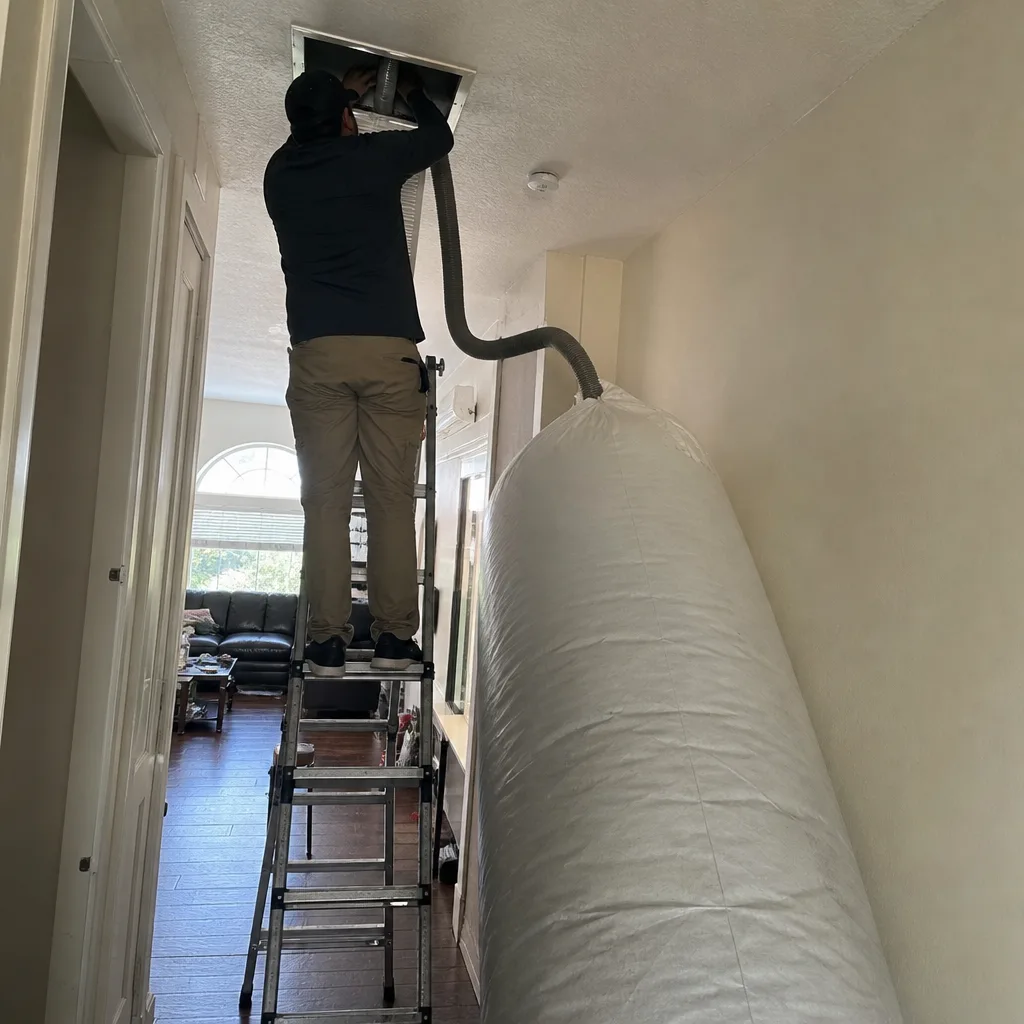
 Whole-home duct cleaning
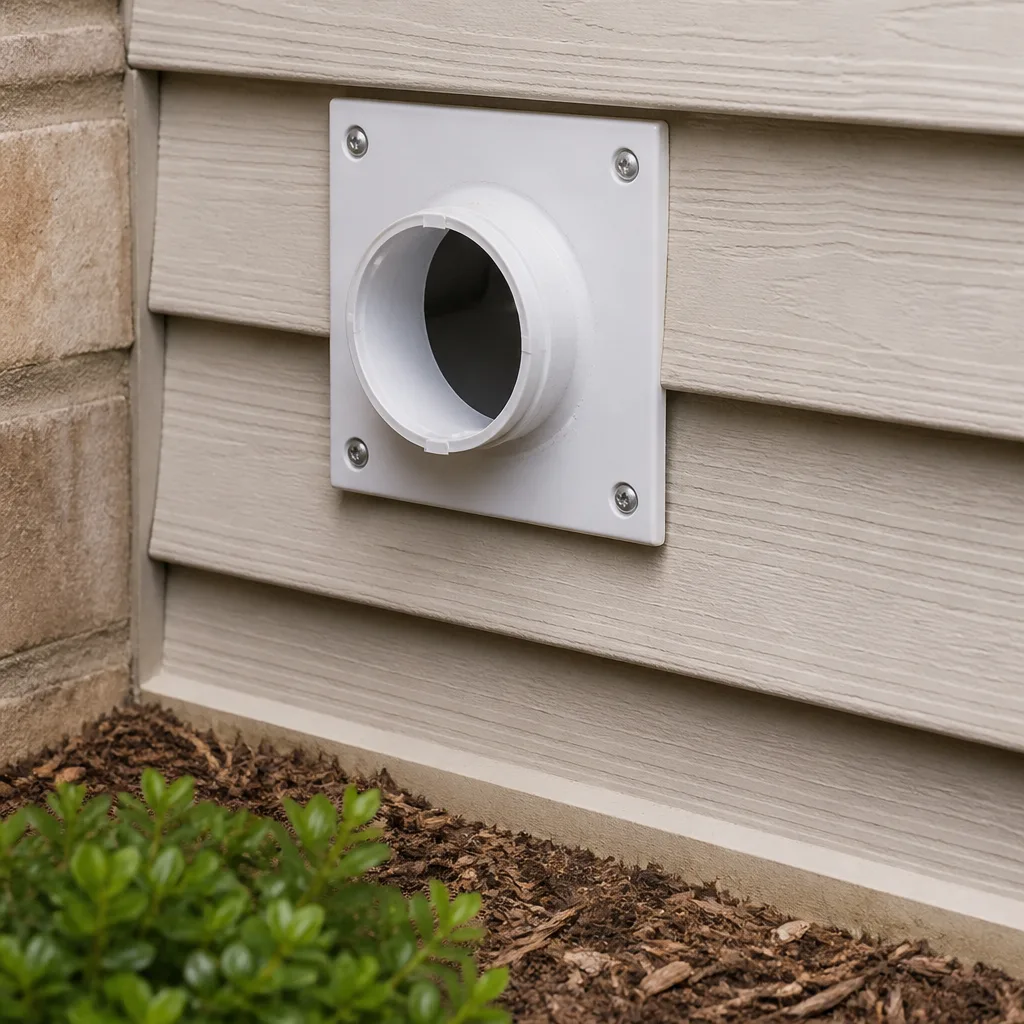 Dryer vent cleaning
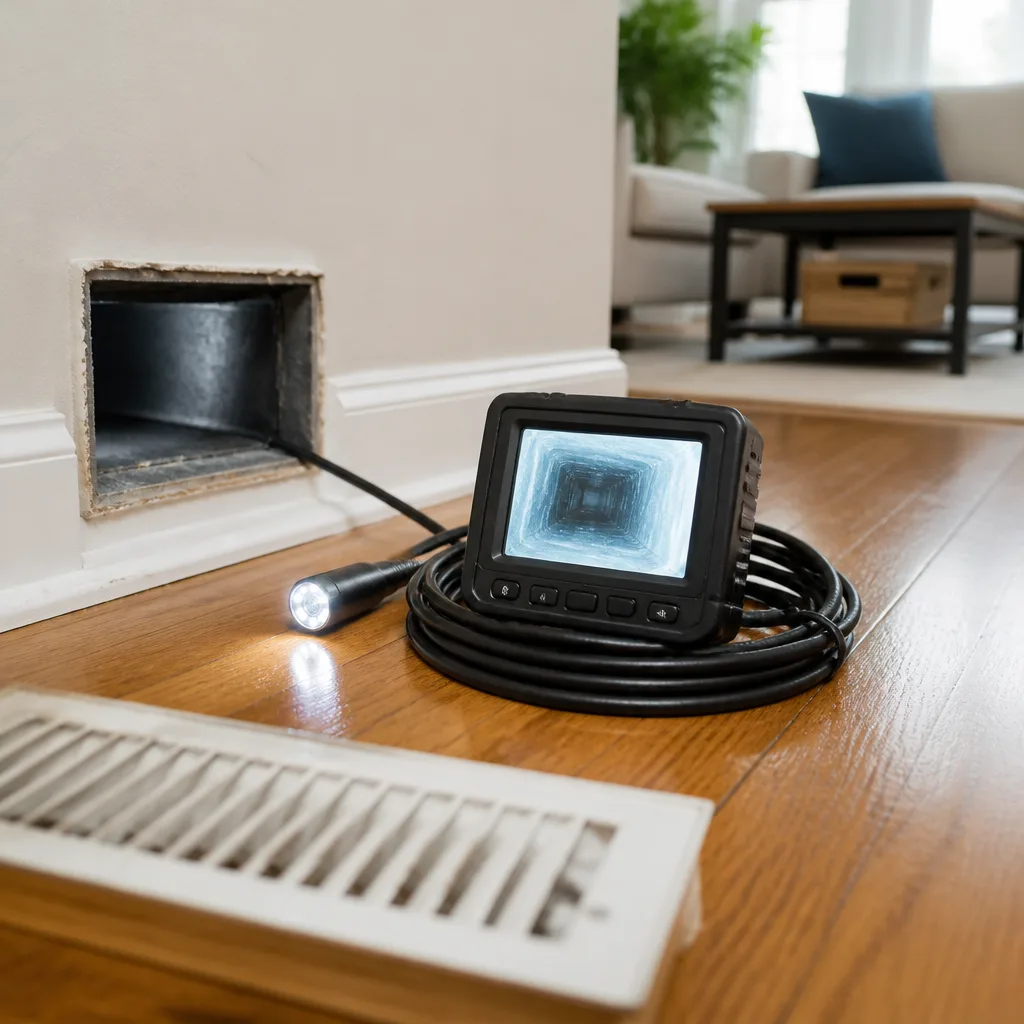 Camera inspection
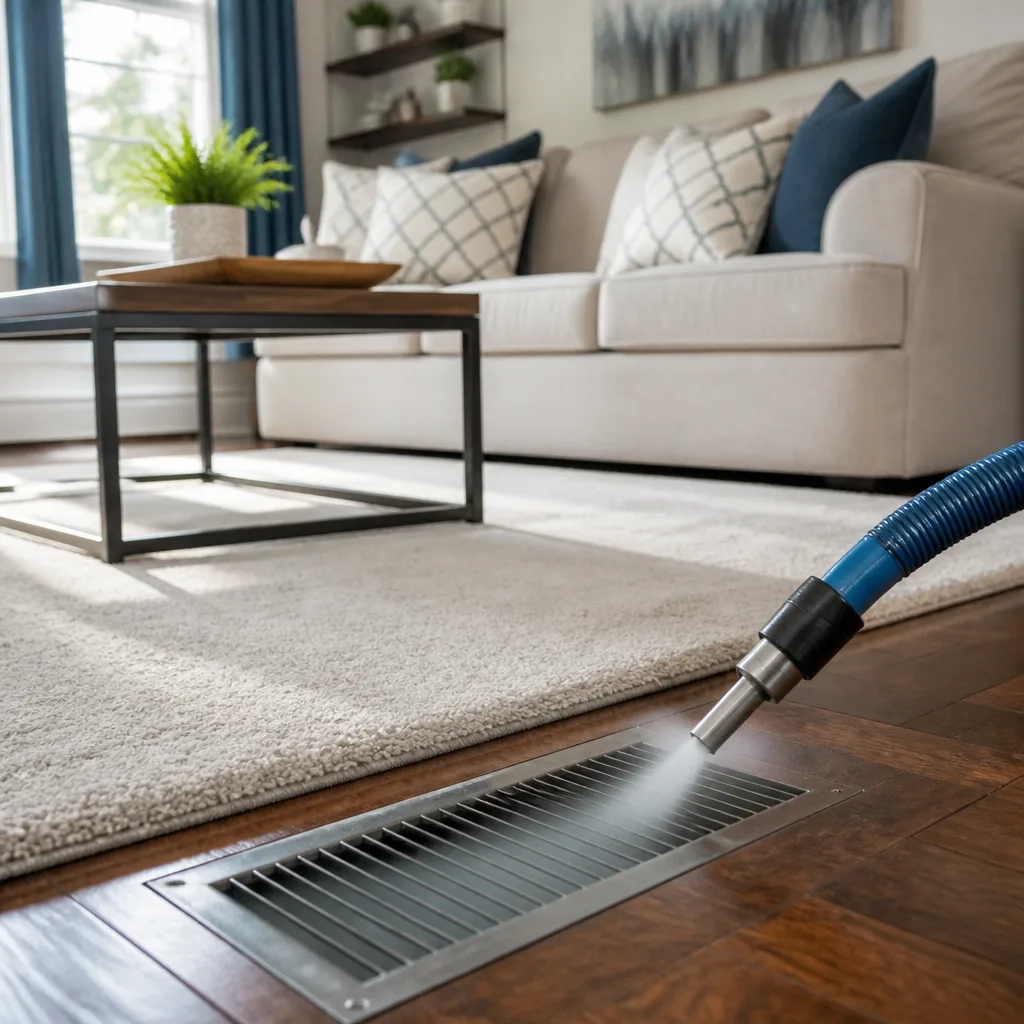 Sanitizing & deodorizing
Whole-system duct and dryer vent check with before-and-after photos - you see exactly what came out of your vents
That "$99 whole-house special" is a bait ad - the real number appears once they are in your hallway, or the "clean" is a shop-vac at the register. We photograph the inside of your ducts before and after instead.
Air Duct Cleaning Cost Breakdown: The Pembroke Pines Homeowner’s Reference for 2026
Two duct cleaning quotes for the same Pembroke Pines house can read $149 and $650, and they are often not two prices for one service. They are two different jobs. One is a quick pass with portable equipment; the other is a documented whole-system cleaning with industrial-grade machinery and contained extraction. The equipment gap and the scope gap are what you’re actually comparing, and neither shows up on the one-line invoice most low-ball quotes arrive on. This reference walks through what a legitimate price includes, what should sit on its own line, how Broward County homes change the math, and how to compare quotes without getting talked into a bigger bill in your living room.
Quick Answer
Air duct cleaning in Pembroke Pines typically runs about $300 to $700 for a standard whole-home system in 2026, with larger homes and multi-zone systems landing between $600 and $1,200 or more. The single biggest driver of price is not the company name, it’s what equipment arrives and what scope is written into the estimate: access point cutting, air handler cleaning, antimicrobial application, and dryer vent service are separate line items, not interchangeable extras. Every legitimate quote should be one flat price per system, agreed before work starts, with before-and-after photos of your own ducts.
Styles & brands we work with
- Whole-home duct cleaning
- Dryer vent cleaning
- Camera inspection
- Sanitizing & deodorizing
Table of Contents
- What actually drives air duct cleaning cost in Pembroke Pines?
- What a legitimate base price includes (and what shouldn’t be bundled)
- How home size, vent count, and duct material change the price
- The equipment cost reality behind every quote
- Red flags in low-ball estimates
- How to compare quotes apples-to-apples
- Pembroke Pines specific pricing factors
- When cleaning isn’t the answer and repair is
What actually drives air duct cleaning cost in Pembroke Pines?
Cost in Pembroke Pines is driven by five things: the size of your air system, the number and type of supply and return vents, the material your ducts are made from, how accessible the ductwork is, and the equipment the company brings. Population size, neighborhood prestige, and ZIP code don’t move the price. The same 2,000-square-foot home in Chapel Trail and in Silver Lakes will land in similar ranges if the duct layout is similar. What shifts the price is the layout itself: how much attic and chase space the technician can reach, whether flex duct was installed with tight bends that need to be worked around, and whether the return plenum is close enough to the air handler to seal a negative-air machine to it.
In our experience working Pembroke Pines homes, the biggest surprise for homeowners is that vent count alone doesn’t tell the story. A 1,800-square-foot home with 14 supply vents arranged on a single trunk line is often faster to clean than a 1,800-square-foot home with 10 vents on three separate zones. Multi-zone systems need each zone worked independently, which means more time, more access points, and more filtration run time. That’s why we quote whole systems rather than per-vent prices – a per-vent number can’t account for zone count or trunk layout, and it’s the number low-ball operations lean on hardest. For a full picture of how we approach this work, see our air duct cleaning page.
The general price bands below reflect the 2026 Pembroke Pines market. Treat them as typical estimates, not fixed quotes; the written estimate you receive is what sets the final price.
| System Type | Typical Price Range | What It Covers |
|---|---|---|
| Small system (condo or under 1,500 sq ft) | $300 – $450 | Single zone, 8-12 vents, standard access |
| Standard single-family (1,500-2,500 sq ft) | $400 – $700 | Single zone, 12-18 vents, air handler cleaning |
| Larger single-family (2,500-3,500 sq ft) | $600 – $950 | Single or dual zone, 18-24 vents |
| Multi-zone / large estate (3,500+ sq ft) | $900 – $1,200+ | Two or more zones, 24+ vents, extended access |
What a legitimate base price includes (and what shouldn’t be bundled)
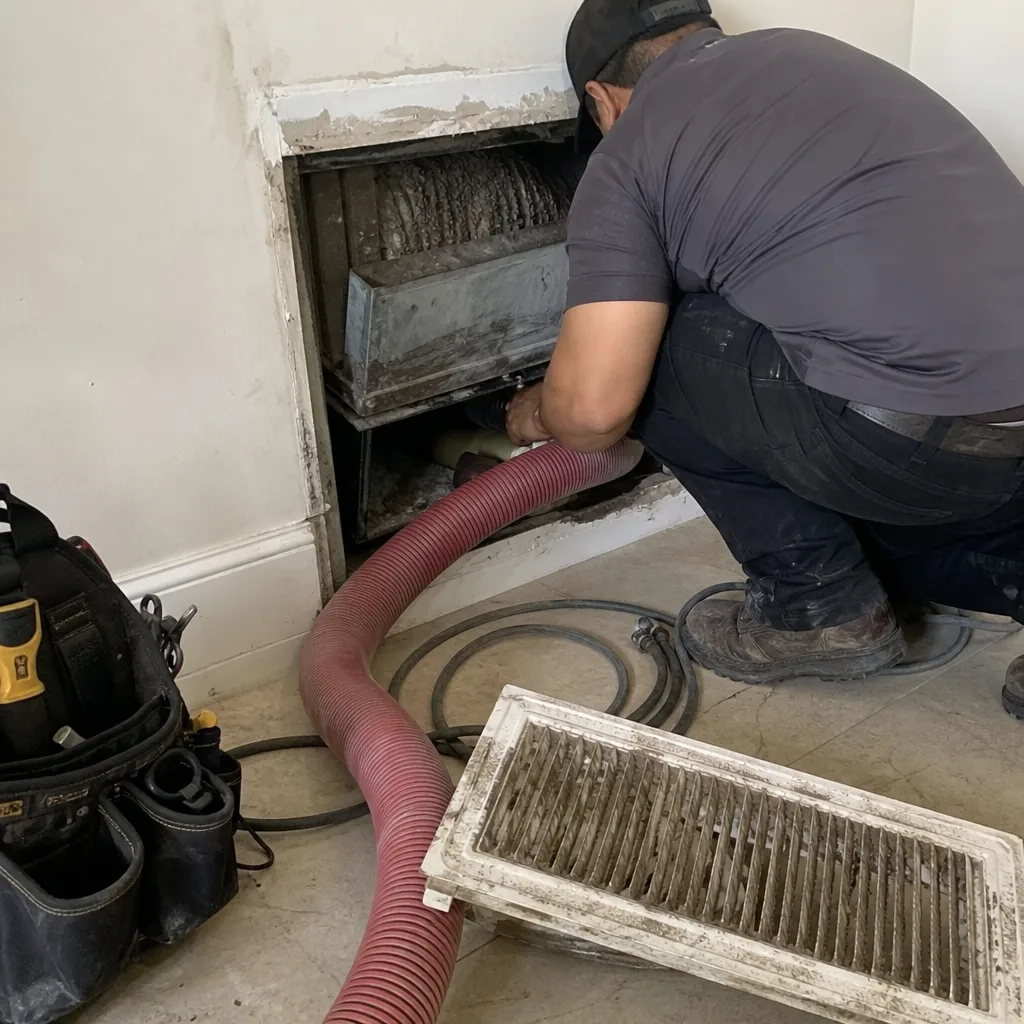
A legitimate base price should always include mechanical cleaning of every accessible supply and return run, HEPA vacuum extraction at the source, sealing the system under negative pressure so dislodged debris leaves the home rather than drifting back into it, cleaning of the air handler cabinet and blower compartment, and before-and-after photos of the ducts you paid to have cleaned. If any of those aren’t in the written scope, you’re not comparing two prices for one service – you’re looking at a partial job.
Several items are frequently bundled into a headline price to make a quote look complete when it isn’t, or line-itemed on the invoice as add-ons after the technician has already arrived. They should always be quoted separately and agreed up front:
- Access point cutting. Some duct systems don’t have a service point at every branch. Cutting and properly sealing new access points takes time and a specific skill set, and a quote that doesn’t mention them is a quote that either skips those branches or quietly adds a fee later.
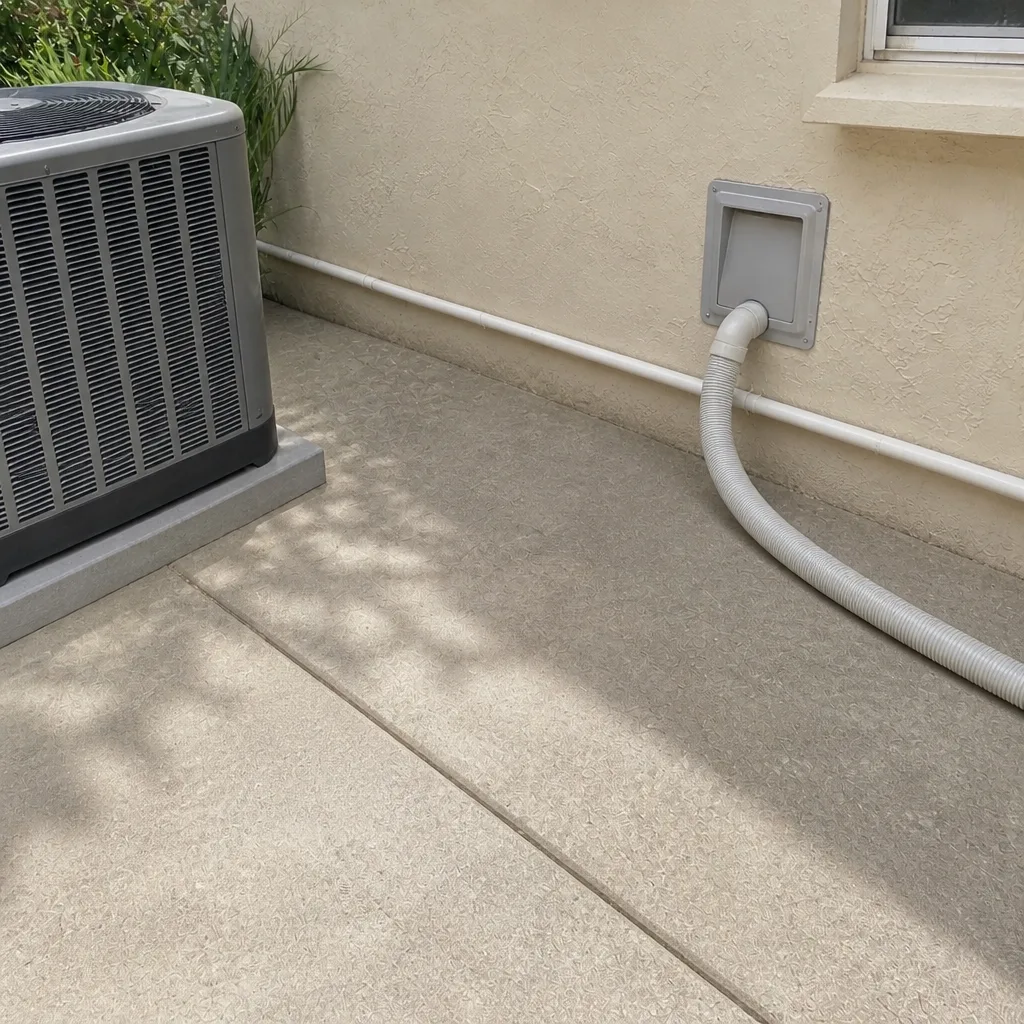
- Dryer vent service. This is a separate system entirely and should be quoted as its own line. If you’re already booking duct work, our dryer vent cleaning service can be scheduled as a distinct job; it should never be rolled into the duct price to make the duct price look bigger.
- Antimicrobial application. Only appropriate when there’s an actual indication for it, and it’s a separate treatment, not part of standard mechanical cleaning. Any quote that includes it “for free” is really just moving the cost around.
- Air handler deep cleaning vs. light wipe-down. The blower compartment, evaporator coil area, and drain pan all collect debris. A full cleaning is a different scope than a quick surface pass.
- Filter upgrades or IAQ device work. If we’re working around a Honeywell or Aprilaire system, that’s noted in the scope – not thrown in as a bonus line item.
How home size, vent count, and duct material change the price
Broward County homes built across different decades used different duct strategies, and that shows up directly in cleaning time. Homes in the western Pembroke Pines neighborhoods are often newer and more likely to be built with flex duct – faster to install, but with tight bends and short runs that collect debris at the bends and can sag over time. Older homes closer to the eastern side of the city often have sheet metal trunk lines with flex branch runs. And a smaller set of homes – including some with fiberboard duct – present a separate set of considerations, because fiberboard is more fragile under aggressive mechanical cleaning and needs a lighter-touch approach.
The material matters for three reasons: the cleaning tool, the amount of time the technician spends on each run, and the risk of damage if the wrong equipment is used. Rotobrush rotary-brush systems handle flex and sheet metal well because the brush heads are matched to the material; on fiberboard, the technician adjusts. This is why material type is one of the questions any honest quote should ask about.
Vent count works the way you’d expect: more vents, more time. But an air handler tucked into a tight closet, a return plenum you can only get to through an attic hatch, or a system with inaccessible chases can add hours to a job even when the vent count is low. Here’s the checklist we use when sizing a job:
- Confirm square footage and vent count. Count supply and return vents separately – they’re worked differently.
- Identify duct material. Flex, sheet metal, fiberboard, or a mix.
- Map zone count. Each zone needs independent cleaning and independent before-and-after documentation.
- Assess access. Attic hatches, closet setups, chase openings, and whether access points need to be cut.
- Note IAQ devices in the system. Honeywell and Aprilaire components need to be worked around without voiding manufacturer expectations.
The equipment cost reality behind every quote
A contractor running a truck-mounted or high-capacity negative-air machine has a fundamentally different overhead than someone with a portable shop-vac and a hose. Negative-air equipment costs substantially more to buy, maintain, and operate. HEPA-rated vacuums need filter replacement. Rotary brush systems need brush head inventories that span flex, sheet metal, and fiberboard. Abatement Technologies filtration equipment – the kind used on mold and abatement jobs – usually sits on a trailer or truck dedicated to the work. That overhead is real, and it’s reflected in every legitimate price you’ll see for a whole-system job.
The reason this matters for you as a Pembroke Pines homeowner is that the overhead is the product. When the machine seals your system under negative pressure, dislodged debris is pulled out instead of being redistributed through the house. When the extraction is HEPA-rated, fine particles are contained. When rotary brushes are sized properly for each run, mechanical cleaning actually contacts the duct walls instead of just blowing air past them.
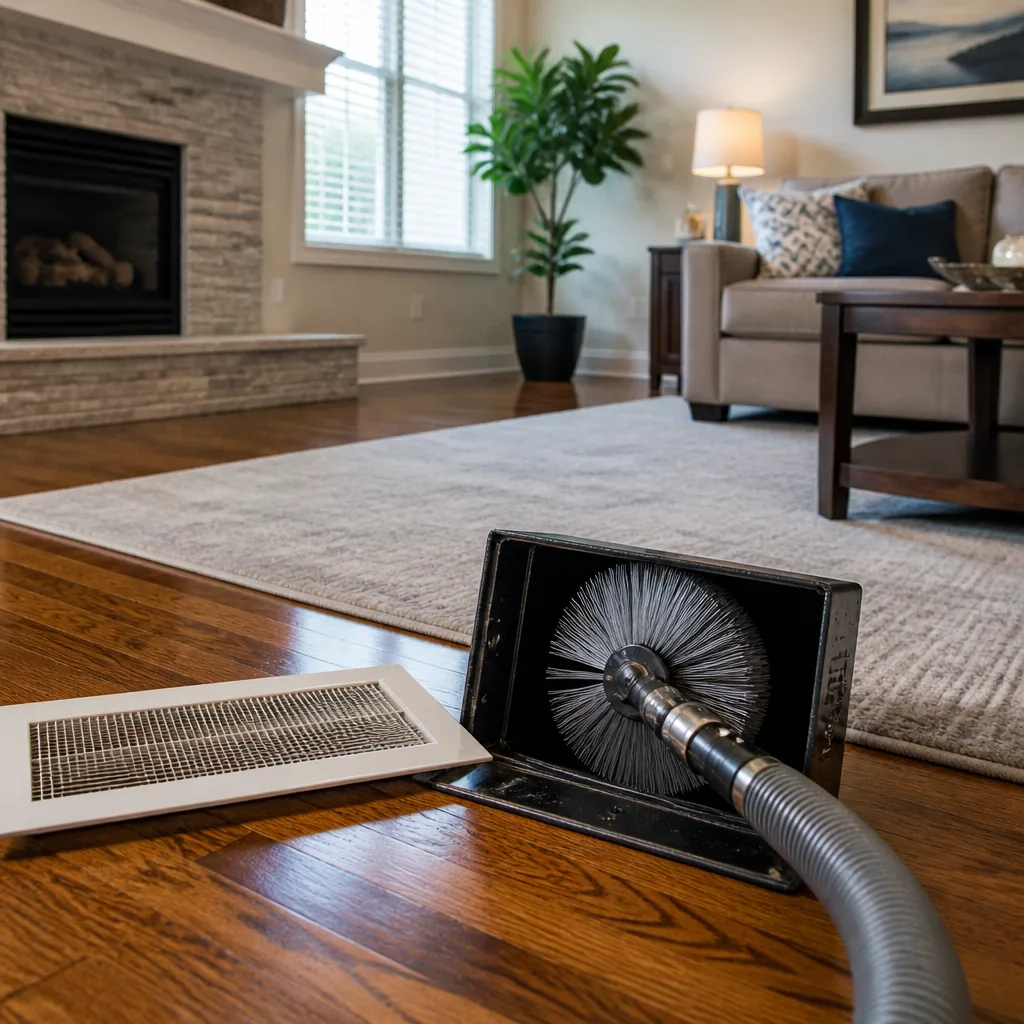
- Rotobrush rotary-brush systems are the industry benchmark for mechanical duct cleaning because the brush heads actually agitate the interior surface of the duct.
- Nikro HEPA-rated vacuums contain what’s extracted rather than recirculating it into the home.
- Abatement Technologies negative-air and filtration equipment is standard on mold and abatement work and rarely seen in residential duct cleaning – we use it on every job.
- Guardsman and similar filtration systems are familiarity items – knowing how to work with them without disturbing the setup.
Our technicians have up to 15 years of experience with this equipment, and the difference between a properly sealed negative-air cleaning and a shop-vac pass is usually obvious within a couple of months. If you want to understand the equipment we standardize on, our home page at Ashford Air Duct Cleaning covers the overall approach.
Red flags in low-ball estimates
South Florida’s duct cleaning market has well-worn patterns, and most of them show up in the estimate itself, before anyone arrives. The pattern usually starts with a very low advertised price, escalates to a much larger invoice once the technician is inside the home, and ends with a homeowner paying for scope they didn’t understand they were buying. Recognizing the pattern is the whole game.
- A price quoted per vent instead of per system. Per-vent pricing can’t account for zones, trunk layout, or air handler work, which makes it easy to inflate once the technician counts what’s actually there.
- A dollar price with no written scope. If the estimate doesn’t list what’s included – which vents, which returns, air handler, access points, extraction method – it’s not an estimate, it’s a number.
- Antimicrobial or “sanitizing” added on-site without a previous conversation. If it wasn’t in the written scope, it’s an upsell, not a treatment decision.
- Access point cutting quoted as a surprise fee. Whether access points are needed should be determined during the estimate, not discovered after the cleaning starts.
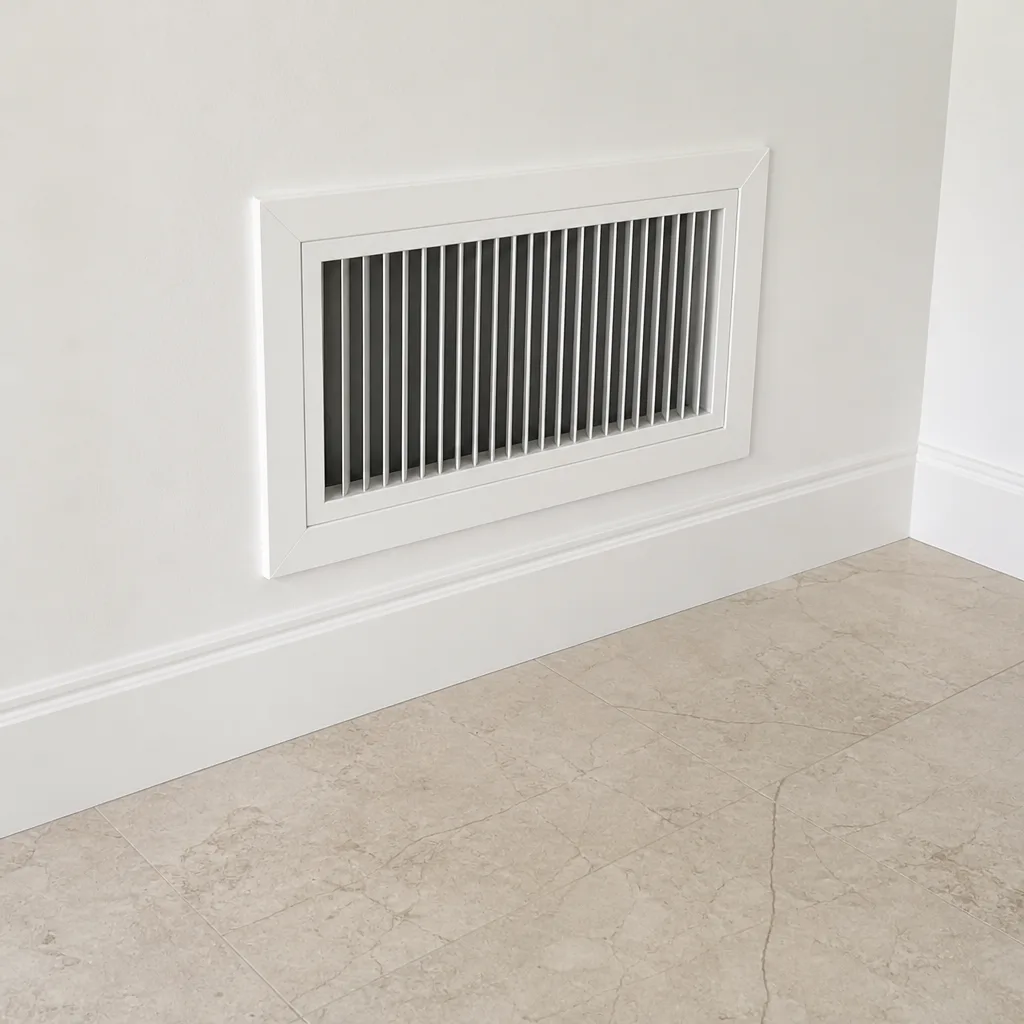
- No before-and-after photos of your own ducts. Without documentation, you have no way to know what was actually done.
- Pressure to decide on the spot. A legitimate estimate stands on its own and doesn’t need a same-visit signature to stay valid.
- No mention of air handler cleaning at all. The air handler is one of the most debris-loaded parts of the system – an omission there tells you the scope was designed to be cheap, not complete.
How to compare quotes apples-to-apples
Comparing two duct cleaning quotes is only useful if you’re comparing the same scope. Use a checklist and score each quote against the same items, not the headline dollar number. If quotes come in at wildly different prices, the checklist will tell you why – and if the scope is genuinely the same, the price gap should be explainable by equipment, not by mystery.
- Is the price per system or per vent? A per-system, one-flat-price quote is what you want. Per-vent numbers can’t be compared to per-system numbers meaningfully.
- Is every supply and return vent in scope? Count them yourself; the quote should match your count.
- Is the air handler cabinet being cleaned? Yes is the right answer. Anything else is a partial job.
- Is negative-pressure extraction specified? Ask what equipment the company uses. If they can’t name it, they’re probably not running it.
- Is HEPA filtration on the extraction unit? If the machine can’t contain fine particles, some of what it pulls out ends up back in your house.
- Are access points included, or line-itemed separately? Either answer is fine as long as it’s stated before the job begins.
- Are dryer vent service and antimicrobial called out as separate line items? If they’re bundled “free,” find out what the bundled price really is.
- Are before-and-after photos of your own ducts included? Documentation is part of the deliverable.
- Is the price locked in as a flat, written estimate? No line-item surprises once work starts; that’s the standard.
When you get two or three quotes that pass all nine items, the lowest number usually reflects equipment grade, not a rip-off. If you want to see how we approach a full estimate in Pembroke Pines, we’re glad to walk through a scope with you.
Pembroke Pines specific pricing factors
Pembroke Pines sits in a sub-tropical climate with year-round cooling demand. The practical effect is that duct systems here run almost continuously – often 10 to 11 months of the year – and debris accumulates faster than in a cooler market where the system rests for half the year. That reality shifts the pricing conversation in a few specific ways.
First, homeowners in condos and townhomes in Pembroke Pines often deal with compact systems where duct runs are short but tight. A small system may have fewer vents, but if the air handler is in a utility closet with limited working clearance, access eats the savings. Second, homes in neighborhoods with heavier tree canopy nearby tend to intercept more debris on the return side; the return duct and air handler collect it fastest, which makes air handler cleaning a higher-value line item than it might be elsewhere. Third, because cooling runs year-round, musty odors and uneven airflow show up sooner here than they would in a colder market, and the “wait another year” advice you’ll read on national sites usually doesn’t hold up in Pembroke Pines.
How often should it really be done? For most Pembroke Pines homes with a year-round-running system, a documented whole-system cleaning every three to five years is a reasonable baseline – sooner if you’ve had renovations, water intrusion into the ductwork, or visible debris at the vents. The one number that matters more than any interval is what you observe: dust trails at supply registers, a musty smell when the system kicks on, or uneven airflow between rooms.
When cleaning isn’t the answer and repair is
Cleaning solves debris. It does not solve disconnected, crushed, or sagging ductwork, and in South Florida attics those conditions are common after years of heat cycling, wildlife intrusion, or original install shortcuts. If you have persistent uneven airflow to a room even after cleaning, or if the air handler is pulling attic air back into the system, cleaning alone won’t fix the actual problem. That’s where air duct repair enters the picture – reconnecting a disconnected flex run, replacing crushed sections, sealing leaks at joints, and rebalancing the system.
We offer repair as a core service specifically because clean-only crews can’t address this. If your estimate conversation includes a diagnosis of a breached or disconnected run, that diagnosis should be documented with photos and included in the written scope as its own line. Cleaning and repair together often cost less than two separate service calls, and they solve what neither one can do alone. Our work sits in three areas – cleaning, dryer vent cleaning, and repair – so there’s no need to coordinate multiple vendors for one problem.
Common Mistakes to Avoid
- Buying the coupon price without reading the scope. A dollar number in an ad isn’t the same thing as a full-system quote – compare scope, not headlines. In Pembroke Pines, most “specials” turn out to be partial jobs once you line up what’s included.
- Letting the technician add services on arrival. Anything that wasn’t in the written estimate before the visit is an upsell, not a service discovery. Reputable companies quote access points, antimicrobial, and dryer vent work before they start.
- Ignoring the air handler. Some homeowners focus entirely on the vents and skip the cabinet. The air handler and blower compartment are where debris collects fastest in a year-round-cooling climate.
- Skipping the before-and-after photos. Without them, you have no verifiable record of the work. Ask for photos of your own ducts, not stock images.
- Confusing cleaning with repair. A disconnected or crushed duct run doesn’t get fixed by a cleaning pass. If airflow problems persist after cleaning, the system needs diagnosis, not another cleaning.
- Assuming shorter is cheaper. A small system in a condo with limited air handler access can cost as much as a larger single-family home with a dedicated closet. Size alone doesn’t predict price.
- Over-cleaning. Dirt doesn’t justify cleaning; verified debris does. A whole-system cleaning every three to five years is a reasonable baseline in South Florida, not an annual ritual.
See the difference
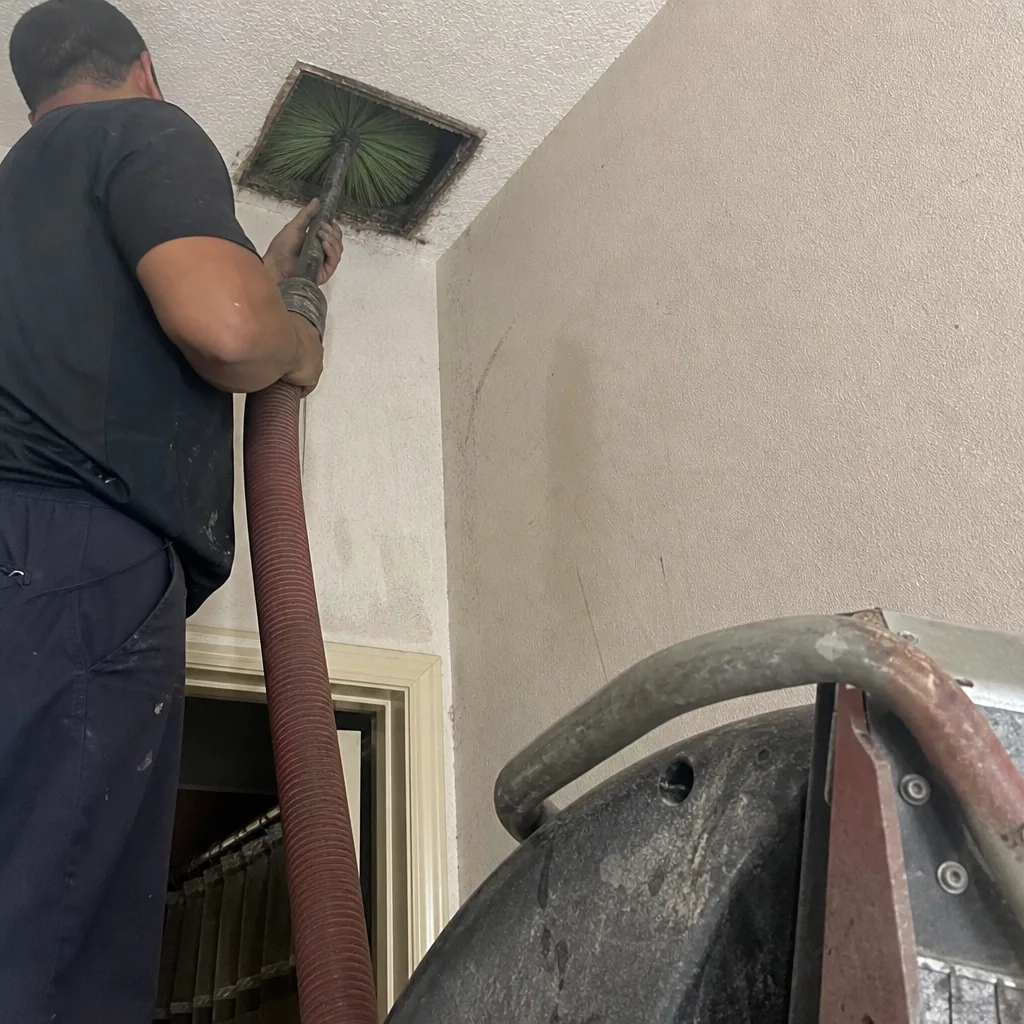 Before
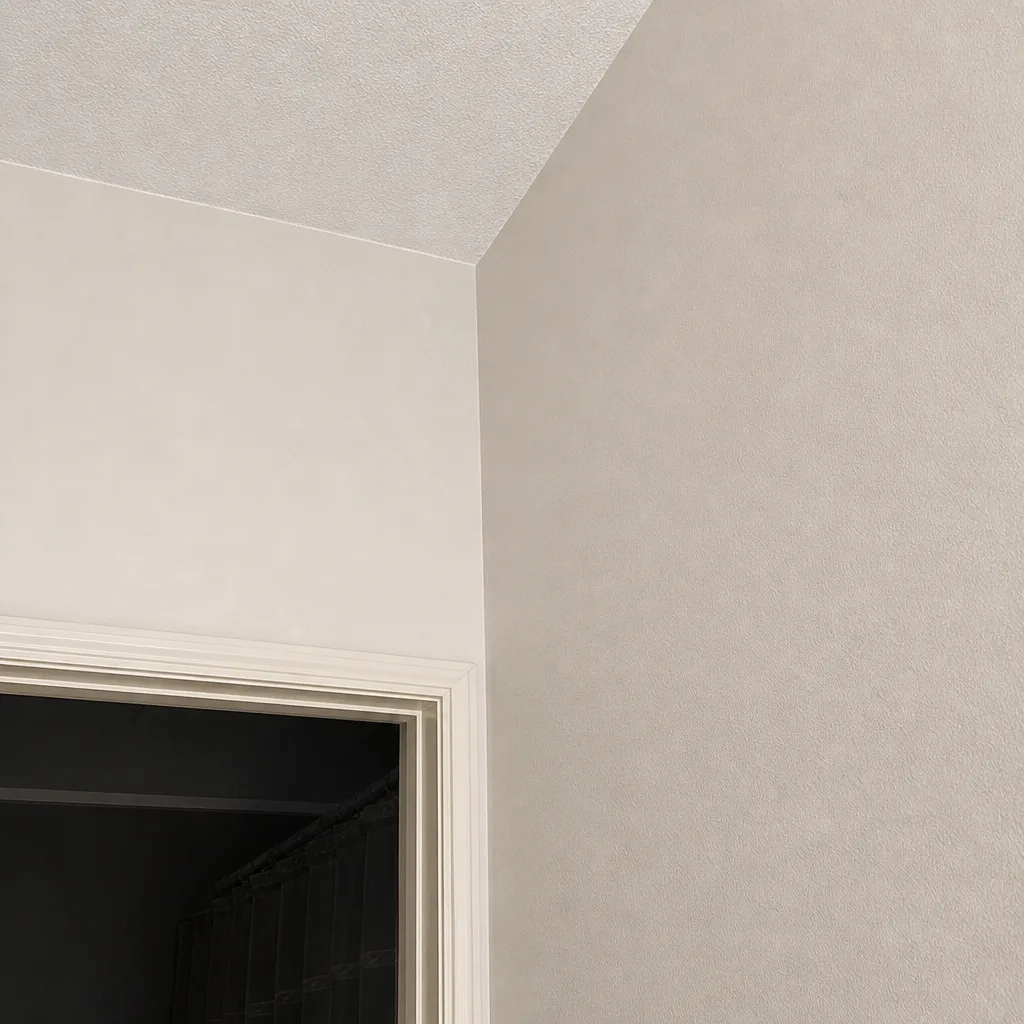 After
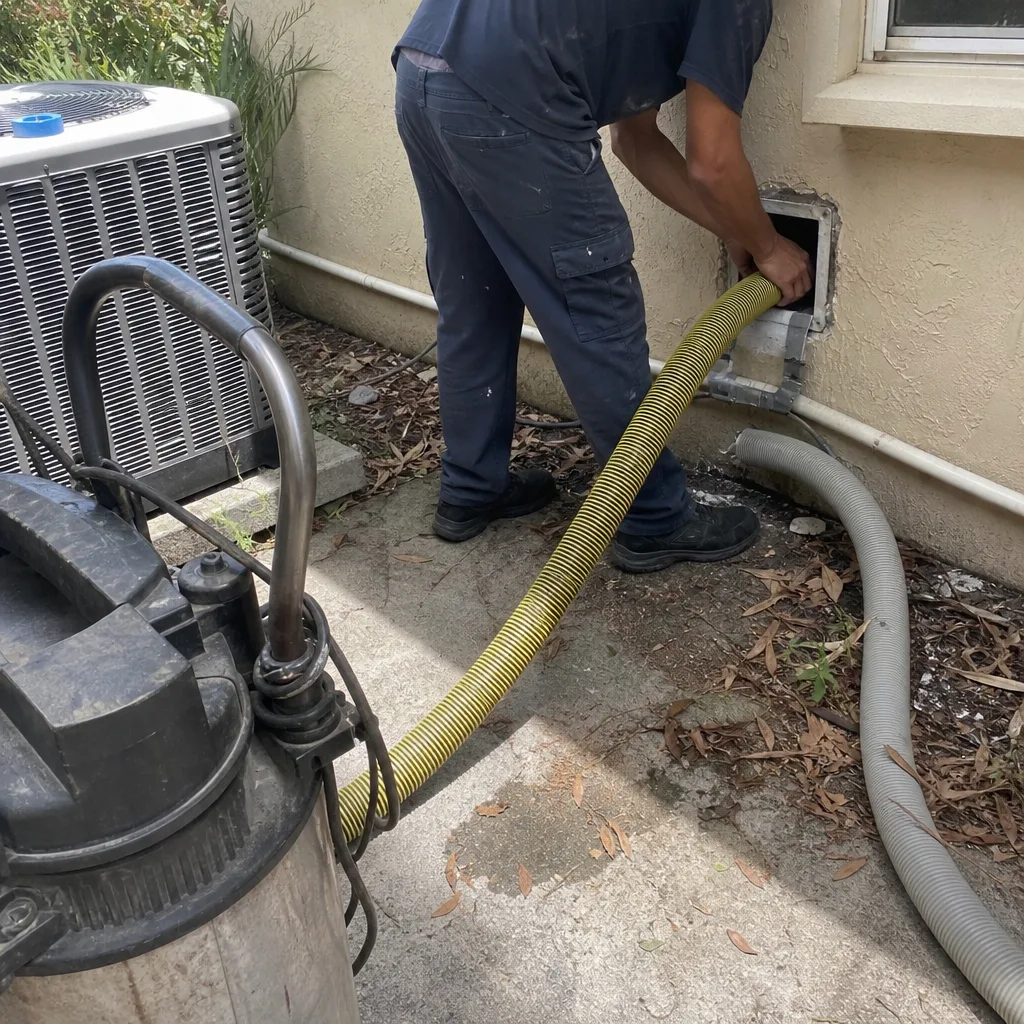 Before
 After
 Before
 After
When to Call a Professional
If you’re seeing visible dust trails at the supply registers, a musty smell when the system starts, uneven airflow to one side of the home, or the return filter loading up much faster than usual, it’s worth having a scope conversation. If you’ve had renovations in the last couple of years, if a room has never felt right since you moved in, or if the system has been running for several years without documented cleaning, an estimate is the right next step. Air handler access, negative-pressure extraction, and full-system scope require professional equipment and a trained technician; consumer vacuums and a hose do not seal or contain the debris a proper cleaning pulls out. Ashford Air Duct Cleaning offers free estimates in Pembroke Pines – call (855) 508-8964.
Frequently Asked Questions
Typical 2026 pricing in Pembroke Pines runs about $300 to $700 for a standard single-family home and $600 to $1,200 or more for larger or multi-zone systems, depending on vent count, duct material, and access. Every quote should be one flat price per system, agreed before work starts, with a written scope and before-and-after photos of your own ducts. Call (855) 508-8964 for an exact quote – estimates are free.
Because they often describe a smaller job performed with consumer equipment instead of a larger job with industrial-grade equipment. A shop-vac operation skips negative-pressure extraction, mechanical rotary brushes, and HEPA containment – each of which represents real equipment cost and real skill, and each of which determines what actually comes out of your ducts. When two quotes look like they’re for the same work and the price gap is large, compare scope line by line before you compare the number. Call (855) 508-8964 for a written scope comparison – estimates are free.
Ask for before-and-after photos of your own ducts, not stock images, and confirm they’re in the written scope before work starts. A legitimate cleaning documents the air handler, the return plenum, and each zone separately. If a crew can’t or won’t show you what changed inside your system, you have no way to verify the work. Call (855) 508-8964 to schedule a documented estimate – estimates are free.
Every three to five years is a reasonable baseline for a South Florida home with year-round cooling, and sooner after renovations or water intrusion into the ductwork. The climate pushes debris accumulation faster than in colder markets, but “annual” cleaning is usually unnecessary. Watch for visible dust at the registers, musty odors at system start, or uneven airflow – those signals matter more than the calendar. Call (855) 508-8964 for an assessment in Pembroke Pines – estimates are free.
Dryer vent cleaning is a separate system and should always be a separate line item. Rolling it into a duct cleaning price makes both numbers impossible to compare, and it hides the real scope of either job. If you want both services, they can be scheduled as distinct jobs – and they should appear that way in your estimate. Call (855) 508-8964 for a quote on either service – estimates are free.
Then cleaning alone won’t solve the problem, and the estimate should say so. Disconnected, crushed, or sagging duct runs are common in South Florida attics and are addressed by repair, not cleaning. A repair diagnostic should be part of the estimate conversation if the technician suspects a breach – documented with photos and quoted as its own line. Cleaning and repair together often cost less than two separate visits. Call (855) 508-8964 for a free estimate.
The Bottom Line
The duct cleaning quote you accept in Pembroke Pines is buying a specific combination of equipment, scope, and documentation – not just a cleaning pass. A legitimate quote is one flat price per system, written before work starts, with the air handler in scope, negative-pressure extraction and HEPA containment on the equipment list, dryer vent and antimicrobial as separate line items, and before-and-after photos of your own ducts. The gap between a low-ball headline and a real quote usually reflects that scope, not company size or reputation. Use the checklist to compare quotes on the work performed, not the number at the top. That’s the entire framework.
Get a Written Estimate
If you’re ready to see what a properly scoped whole-system cleaning looks like for your home, we’ll walk your Pembroke Pines property, size the system, and put the scope in writing before anything gets scheduled. Our technicians have up to 15 years of experience with Rotobrush, Nikro, and Abatement Technologies equipment, and we work around Honeywell and Aprilaire systems without disturbing the manufacturer setup. Every estimate is free, the price is one flat price per system agreed before work starts, and you get before-and-after photos of your own ducts. Call (855) 508-8964. We answer 24/7. Fast dispatch from 7am to 7pm, Sunday through Friday.
Written by the team at Ashford Air Duct Cleaning.