
Last updated November 15, 2026
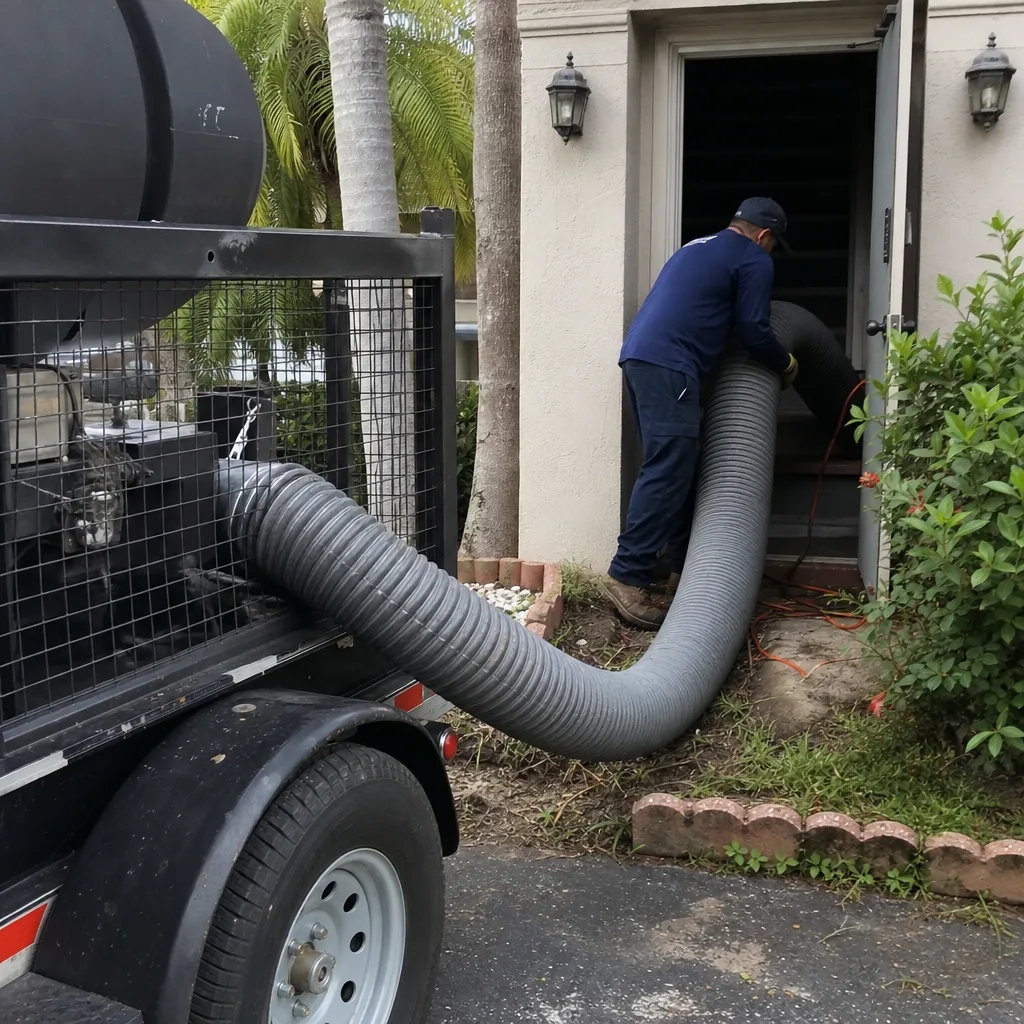
 Whole-home duct cleaning
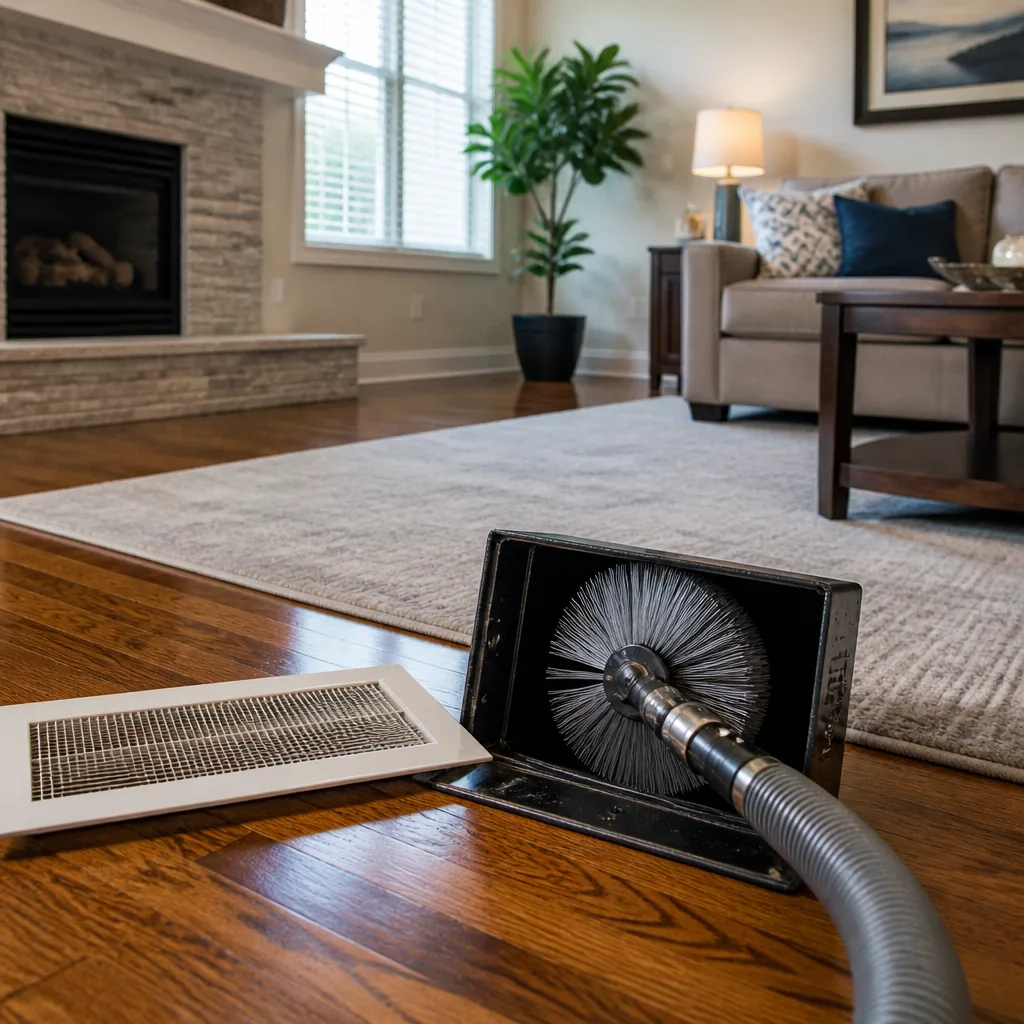
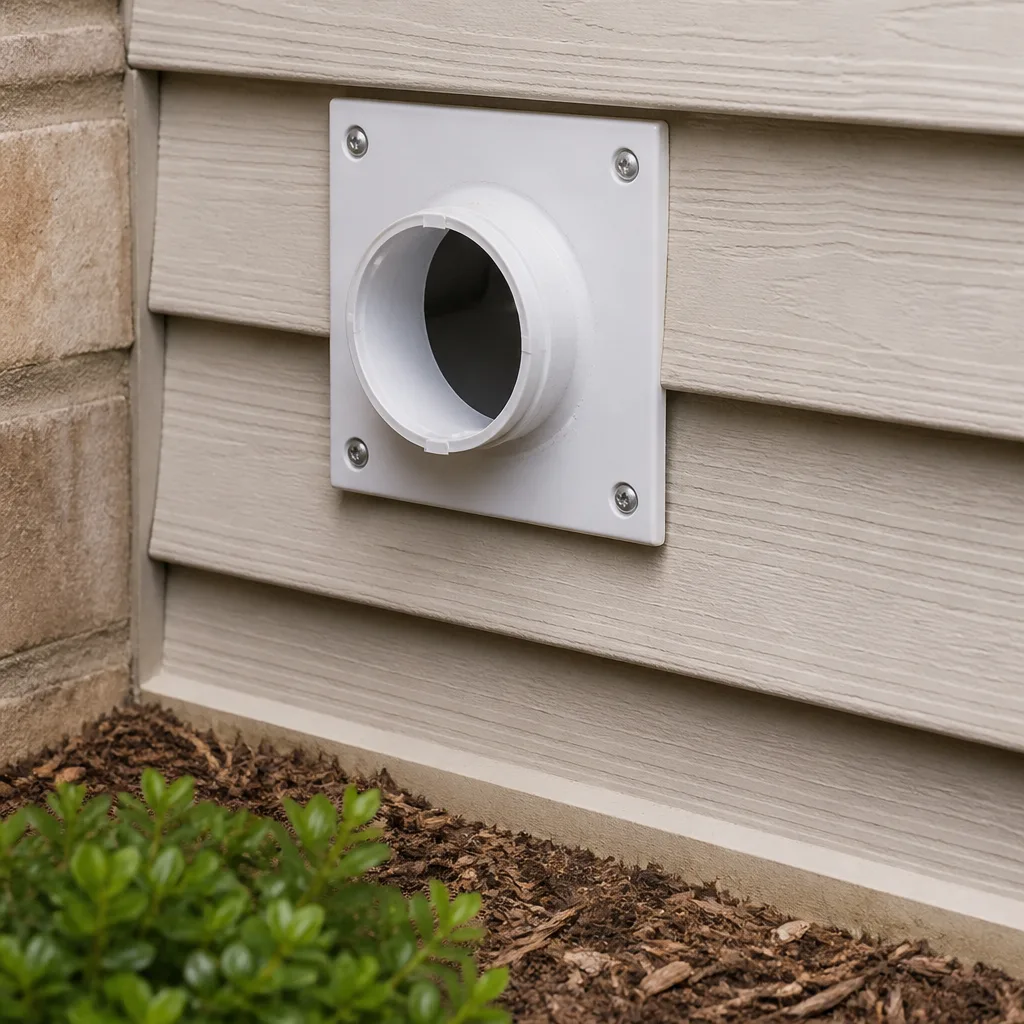 Dryer vent cleaning
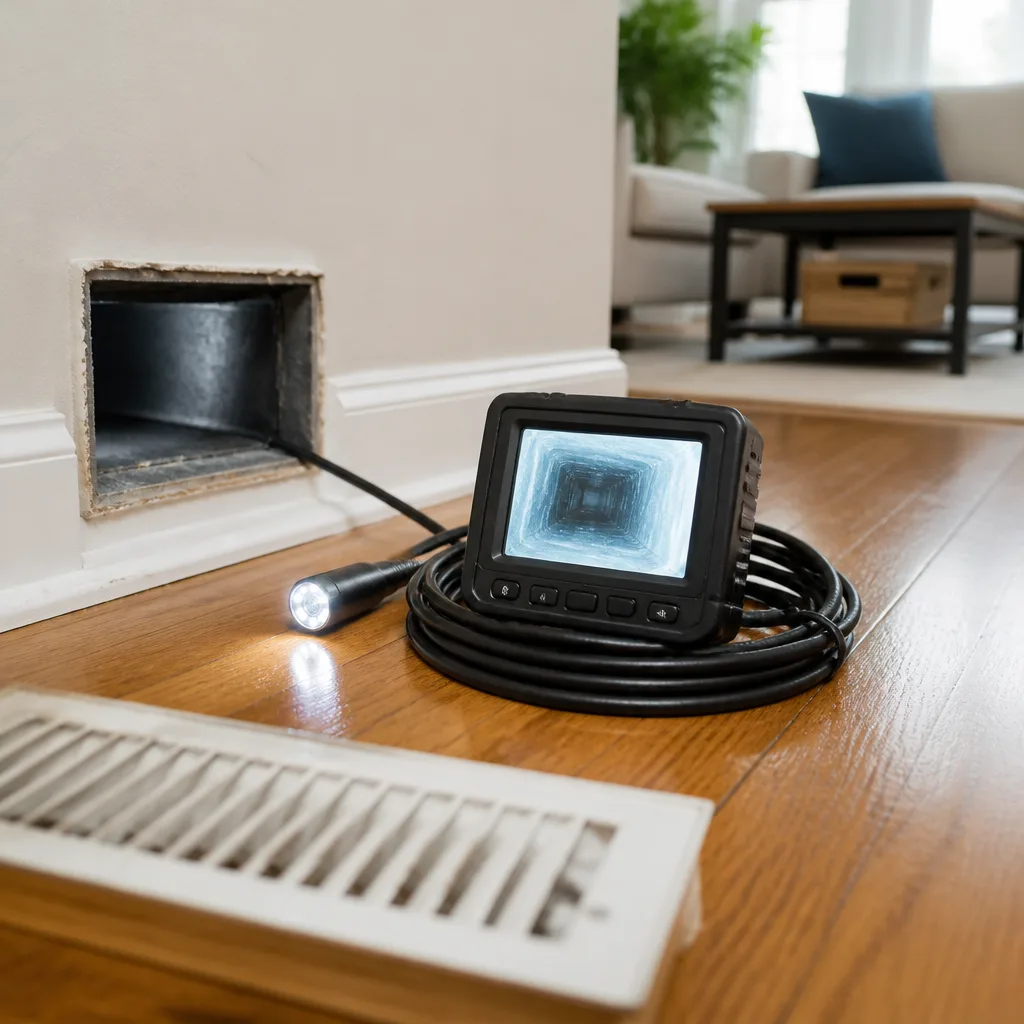 Camera inspection
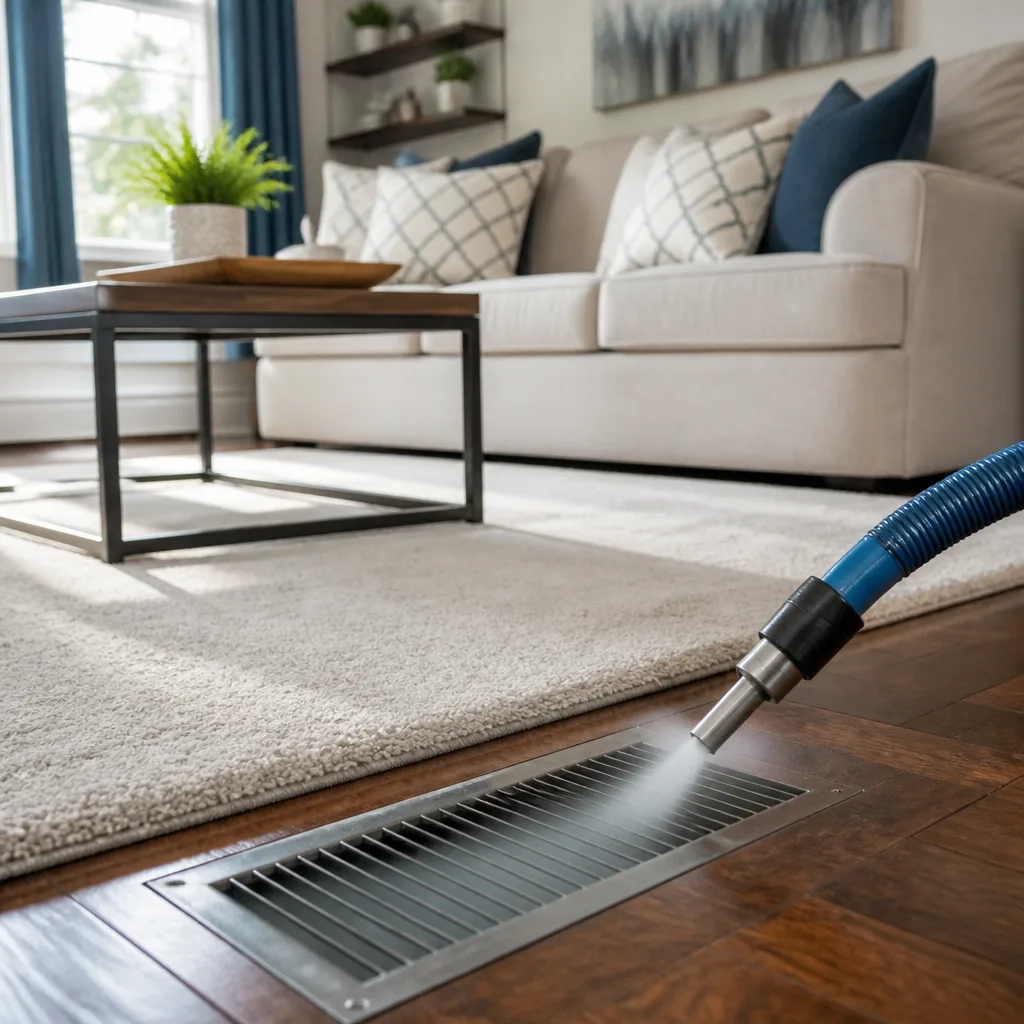 Sanitizing & deodorizing
Whole-system duct and dryer vent check with before-and-after photos - you see exactly what came out of your vents
That "$99 whole-house special" is a bait ad - the real number appears once they are in your hallway, or the "clean" is a shop-vac at the register. We photograph the inside of your ducts before and after instead.
DIY vs Professional Air Duct Cleaning: The Pembroke Pines Homeowner’s Decision Guide
A consumer drill-brush attachment and a shop vac can clean the first 18 inches of a duct opening. That’s roughly 5% of the total duct surface in a typical Pembroke Pines home, and it’s zero percent of the air handler coil, the blower wheel, or the plenum interior, which is where a lot of the debris actually collects. This guide explains the difference in plain terms: what rotary-brush and negative-air equipment physically does that a household vacuum cannot, which maintenance tasks are genuinely worth doing yourself, and when a Pembroke Pines homeowner should stop reaching for the shop vac and bring in professionals.
Quick Answer
In most Pembroke Pines homes, DIY duct cleaning cannot reach or remove what has accumulated inside the system. A shop vac cleans the visible opening; a professional rotary-brush system with negative-air extraction cleans the full run, the plenum, and the air handler. DIY is reasonable for filter changes and vent-cover cleaning, and worth calling a professional for post-construction cleanup, post-flood recovery, visible mold at the air handler, or a new-home purchase.
Styles & brands we work with
- Whole-home duct cleaning
- Dryer vent cleaning
- Camera inspection
- Sanitizing & deodorizing
Table of Contents
- What DIY Duct Cleaning Actually Reaches
- What a Rotary Brush and Negative Air Do Differently
- Legitimate DIY Tasks You Should Do Yourself
- Why DIY Is Riskier in South Florida’s Humidity
- The Cost Comparison, Done Honestly
- When Professional Cleaning Is Non-Negotiable
- How to Choose a Duct Cleaner in Pembroke Pines
- When the Problem Is Repair, Not Cleaning
What DIY Duct Cleaning Actually Reaches
Most Pembroke Pines homes have flex duct feeding the supply registers from a central air handler. Flex duct is a corrugated, semi-rigid tube, and its inner liner has ridges about every inch. Those ridges trap debris. A household vacuum hose pushed into a register opening will pull what’s loose near the surface, but it has no capacity to create the pressure or mechanical contact needed to lift compacted material out of those ridges. A drill-brush kit does a little better because it rotates; but the consumer brushes are short, floppy, and not built for the length of a typical trunk-to-register run.
What you actually clean with DIY duct cleaning in Pembroke Pines:
- The first 12 to 18 inches of each accessible supply duct, from the register inward
- The face of the register cover and the immediate visible interior
- Whatever loose dust the vacuum can lift without mechanical agitation
What you cannot reach with consumer tools:
- The interior of the air handler cabinet and the evaporator coil surface, where biological growth and dust buildup focus in a humid climate
- The blower wheel, whose vanes trap dust and lose efficiency as they load up
- The return plenum and main trunk line, which carry the largest volume of air and the most accumulated debris
- The full length of every flex run, especially branch lines feeding bedrooms and bathrooms
- The negative-pressure environment that keeps disturbed debris contained during the job
That’s the honest arithmetic. DIY duct cleaning touches a small fraction of the air system. The rest sits untouched, and in a humid climate, still biologically active. If your goal is a cleaner air system rather than a cleaner-looking register, the tools have to match the job.
What a Rotary Brush and Negative Air Do Differently
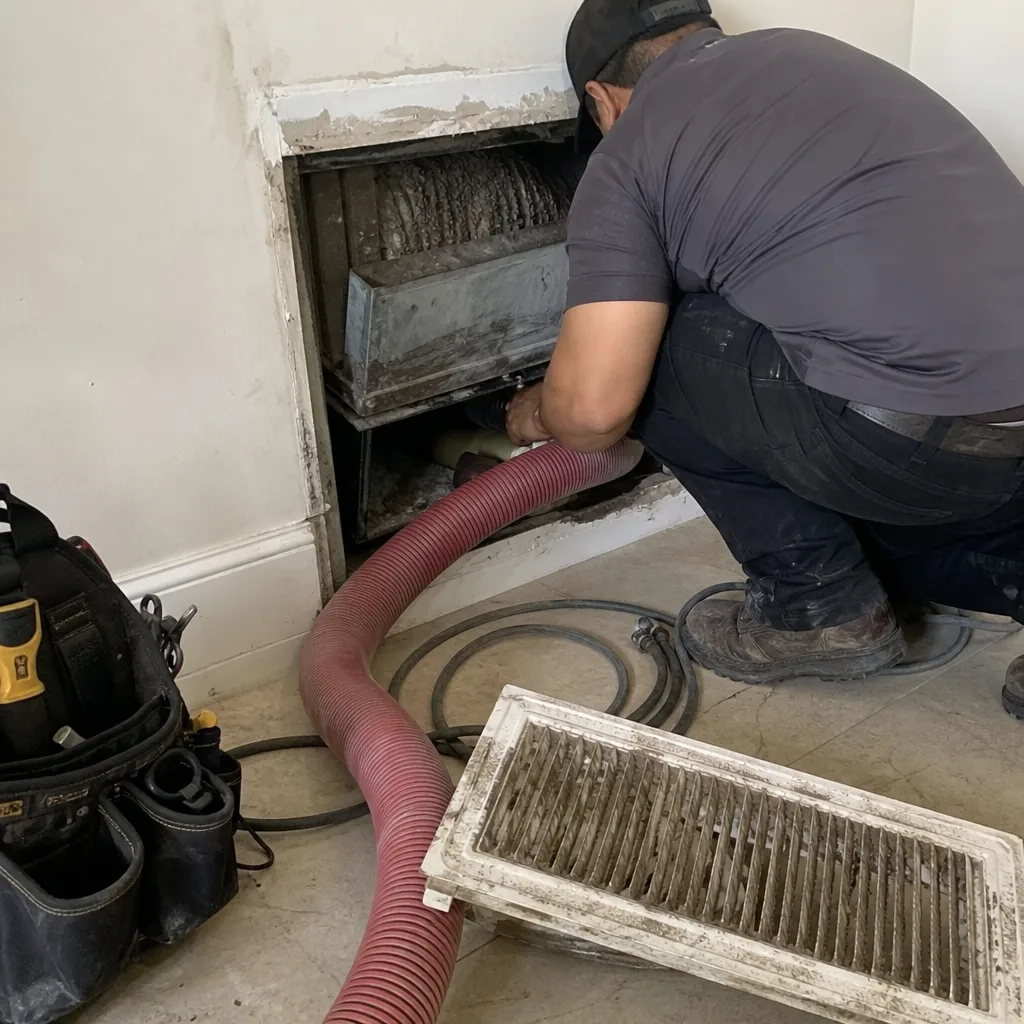
Professional duct cleaning works on a different principle than vacuuming. It combines mechanical agitation with simultaneous extraction under negative pressure. The rotary brush loosens debris from the duct wall by physical contact; the vacuum pulls that loosened debris out of the system before it has any chance to redistribute into living space. Skip either half and the job is incomplete. Skip the brush, and the vacuum moves air but doesn’t dislodge stuck material. Skip the vacuum, and the brush sends dust into the room.
This is where equipment names matter, not because of branding, but because the capability is real. Ashford Air Duct Cleaning uses Rotobrush rotary-brush systems, the industry benchmark for mechanical duct cleaning, combined with Nikro HEPA-rated vacuums that capture extracted debris rather than recirculating it. On every job we also bring Abatement Technologies filtration and negative-air equipment, standard in mold and abatement work and rarely seen in residential duct cleaning. That last piece is what keeps the work area controlled while the system is open.
The process, in order:
- Inspect the air handler, coil, and accessible ducts with a camera; document what we find.
- Set up negative air and filtration at the return; the work area becomes a controlled zone.
- Run the rotary brush through each duct run, loosening compacted material from the liner ridges.
- Extract loosened debris with the HEPA vacuum running concurrently.
- Clean the air handler cabinet, coil surface, and blower wheel as part of the same visit.
- Provide before-and-after photos and a written summary of what was found and corrected.
None of these steps can be replicated with consumer equipment. A shop vac moves air at low pressure and has no mechanical brush; a drill-brush attachment agitates without negative-air containment. The two halves of professional duct cleaning have to work together, and only industrial-grade equipment delivers both at once. For the full breakdown of what a professional job covers, see our page on air duct cleaning in Pembroke Pines.
Legitimate DIY Tasks You Should Do Yourself
Being honest about the limits of DIY duct cleaning doesn’t mean everything is a professional job. There are real, useful maintenance tasks that any Pembroke Pines homeowner should do regularly. Doing these well reduces how often the system needs a full professional cleaning and keeps it running efficiently between visits.
These are the DIY tasks we recommend:
- Change the filter on schedule. In a Pembroke Pines home with year-round AC use, filters load faster than the three-month label suggests. Check monthly; replace when visibly gray.
- Clean the register covers. Pop them off, wash them in the sink, dry them fully before re-installing. This is the one part of the system where DIY genuinely matches professional results.
- Vacuum the return grille. A soft brush attachment on a household vacuum clears surface dust from the return without disturbing the duct interior.
- Visual inspection at accessible points. Shine a flashlight into a register and look for visible dust streaks, dark spotting, or debris accumulation. If you see any of these, it’s a sign that the interior is due for a real clean.
- Watch for airflow and odor changes. Uneven cooling, a musty smell when the system starts, or a dryer that takes two cycles to finish a load are all early signals worth noting.
- Keep the air handler closet clear. A clean, unobstructed air handler closet reduces dust drawn into the return and makes the system easier to service.
None of these require special tools. Each one is worth doing, and together they represent the maintenance work that prevents a lot of larger problems. What they don’t do is replace the deep cleaning that only professional equipment reaches.
Why DIY Is Riskier in South Florida’s Humidity
Pembroke Pines sits in a climate with high year-round humidity and long stretches where the AC runs constantly. That combination creates a specific problem inside ductwork: moisture condenses on cold surfaces during the cooling cycle, and dust that settles on those surfaces becomes a place where microbial growth can take hold. The air handler coil, the drain pan, and the first few feet of duct closest to the unit are the most common spots.
Here’s the risk a homeowner doesn’t see when they run a shop vac through a register. If biological buildup is present and only partially disturbed, the loosened material becomes airborne without being captured. It travels downstream through the system and out into living spaces. That’s redistribution, not removal, and it’s worth understanding before starting a DIY job on a system that has visible growth or persistent musty odor.
Professional cleaning handles this specific risk in two ways. The Abatement Technologies negative-air equipment we use creates a controlled work zone so loosened material doesn’t escape into the room. And the HEPA-rated Nikro vacuums capture fine particles at the source. If we find active mold growth at the air handler or the coil, we can clean and document it; that’s a job where calling a professional is the safer choice than an aggressive DIY attempt. The goal is to remove the buildup, not to scatter it.
Humidity also affects the timing. A duct system in a Pembroke Pines home reaches the point of needing professional cleaning sooner than one in a drier climate, simply because the system is running more hours per year and the biological load is higher. That doesn’t mean annual cleaning; it means watching for the signals and calling when they appear. A professional inspection tells you what’s actually in the system, without guesswork.
The Cost Comparison, Done Honestly
DIY duct cleaning looks cheap on paper. A drill-brush kit and a shop vac cost less than a professional job, and the effort is your own time. What that comparison usually leaves out is what the cheaper option doesn’t include, and what the homeowner ends up paying for later when the skipped work causes a bigger problem.
What a DIY approach actually saves:
- Cost of the professional visit
- Cost of the equipment and consumables a professional brings
- Labor time for the deep-clean portion of the job
What a DIY approach skips:
- Air handler coil and blower-wheel cleaning, which directly affect energy use and airflow
- Full trunk-and-branch cleaning across the entire duct system
- Containment equipment that prevents debris redistribution into living space
- Documented before-and-after photos showing what was actually cleaned
- Inspection that identifies a breach, disconnection, or degraded section before it causes a bigger problem
- Proper extraction of dislodged biological material in a humid climate
That last item is where the trade-off gets real. In most Pembroke Pines homes with flex duct and year-round humidity, the parts of the system DIY cannot reach are exactly the parts that most affect air quality and system efficiency. Saving the cost of the professional visit often means paying more over time in electricity, filter replacement frequency, and repair to ductwork that should have been caught earlier.
When DIY is a reasonable choice: filter changes, register cleaning, and light surface dust on accessible returns. When it isn’t: any sign of musty odor, uneven airflow, visible growth at the air handler, or a system that hasn’t been professionally cleaned in a long time. The honest cost comparison is not DIY-vs-professional in the same category; it’s partial maintenance vs complete maintenance, and they produce different outcomes.
When Professional Cleaning Is Non-Negotiable
Some situations call for a professional clean regardless of how careful a homeowner is. In these cases calling a professional isn’t optional maintenance; it’s the only way to get a verifiable result. If any of these apply to your Pembroke Pines home, plan on a professional visit rather than a DIY attempt.
- Post-construction cleanup. Renovation work sends drywall dust, sawdust, and fine debris into every duct run. Consumer equipment can’t extract that volume, and construction dust left in the system coats the coil and blower and shortens equipment life.
- Post-flood or water intrusion. Any duct system that has been exposed to water needs a full professional inspection and clean. Moisture in ductwork creates a growth environment that can’t be addressed with a shop vac.
- Visible mold at the air handler or registers. Biological growth inside the system requires proper containment and HEPA extraction. DIY attempts risk redistribution rather than removal.
- New home purchase. You don’t know the maintenance history of the previous owner. A professional cleaning and inspection establishes a clean baseline and surfaces any duct repair needs before they become a bigger expense.
- Persistent musty odor when the system runs. Odor is usually a sign that something is growing or accumulating inside the system. The fix is inspection and cleaning, not air freshener.
- Uneven airflow or cooling between rooms. Often a duct issue, sometimes a breach or disconnected run. A professional inspection finds the actual cause rather than guessing.
- A dryer that takes two cycles to finish a load. Lint buildup in a dryer vent is a documented fire risk. Our dryer vent cleaning service addresses this specifically, and it’s a separate job from duct cleaning for a good reason.
Any of these situations moves the answer from “DIY is fine for now” to “call a professional.” Ashford Air Duct Cleaning provides free estimates in Pembroke Pines. Call (855) 508-8964.
How to Choose a Duct Cleaner in Pembroke Pines
If you’ve decided to hire a professional, the next question is which one. The duct cleaning trade has a reputation problem, and the reputation is deserved: coupon prices that expand once the technician is on site, per-vent pricing that makes a real whole-system clean look artificially cheap, and no documentation that the work happened. Choosing well means knowing what separates a real duct specialist from a surface-level operator.
Look for these on any quote or call:
- Whole-system pricing, not per-vent. A real job is quoted per system, agreed before the work starts, and doesn’t change once the technician is on site.
- Named equipment. Ask what rotary brush and vacuum system the company uses. If the answer is vague, that’s a signal. Rotobrush and Nikro names are meaningful because the capability is real.
- Containment equipment on every job. A professional operator brings negative-air filtration. Consumer blowers and shop vacs don’t prevent redistribution.
- Before-and-after photos. You should see proof of what was cleaned, not just an invoice.
- Repair capability under the same roof. A company that can only clean will identify a duct breach and leave you to call someone else. A company that can also repair ductwork solves the problem in one visit.
- Familiarity with your air-quality systems. If your home has a Honeywell or Aprilaire IAQ component, choose a technician who knows how to work around it without voiding manufacturer expectations.
- Community knowledge. A technician who knows Pembroke Pines housing, the standard flex duct layout, and the local humidity pattern will do the job better than one who doesn’t.
None of these points are hard to check. They’re just easy to skip. Ask them on the call, and the answer tells you a lot before any technician arrives.
When the Problem Is Repair, Not Cleaning
Not every duct problem is a cleaning problem. Sometimes cleaning reveals an issue that cleaning alone can’t fix: a disconnected run behind a wall, a section of flex duct that’s torn or crushed, a joint that’s separated and bleeding air into a crawlspace or attic. In those cases, the honest answer is that a professional clean leaves you with a diagnosis, not a solution. The work that matters is repair.
Air duct repair is a core service, not an add-on. It’s how a company resolves problems that cleaning-only operators can’t. In our experience, this distinction matters most in a few specific situations:
- Rooms that are always warmer or cooler than the rest of the house, despite cleaning
- Airflow that seems weaker than it should be at registers farthest from the air handler
- Dust that returns to a room faster than it should after a professional clean
- Discomfort that persists after coil, filter, and thermostat have been checked
In each of these, the issue is usually a breached, disconnected, or crushed section of ductwork running through the attic or wall cavity. Cleaning can’t address this, because the air isn’t going where it’s supposed to. Repair does. The value of choosing a company that offers both services is that diagnosis and fix happen together, without a second call or a second invoice.
If you’ve already had a professional clean elsewhere and the airflow problem hasn’t changed, that’s a sign the diagnosis was incomplete rather than the cleaning being bad. A competent repair inspection finds the actual cause. Ashford Air Duct Cleaning handles repair as a standalone service and as part of a full system evaluation, so you’re not handed off to another vendor when repair is the right answer. If you’re in Pembroke Pines and want someone who can look at the whole picture, that’s what we do.
Common Mistakes to Avoid
- Running a shop vac through a duct and calling it cleaned. The system has four times more surface area than the visible openings you’re reaching. Confirm you’re addressing the whole system or don’t claim you cleaned it.
- Using a drill-brush kit on a system with visible growth. Agitation without containment scatters biological material through the house. If there’s evidence of growth, use a professional with proper filtration.
- Assuming a filter change makes duct cleaning unnecessary. Filters catch what passes through them; they don’t clean what’s already settled inside the duct walls. In a Pembroke Pines home with continuous AC use, both tasks are separate and both matter.
- Buying a coupon deal without checking what it covers. A price that’s suspiciously low usually means per-vent pricing, surface-only cleaning, or a price that grows on-site. Ask what’s included before you book.
- Ignoring musty odor in favor of air fresheners. Odor is a signal, not a nuisance. Treating the symptom lets whatever’s growing inside the system continue to grow.
- Hiring a company that can’t repair what it finds. If the technician finds a disconnected or breached duct during cleaning, they should be able to fix it. Otherwise you’re paying twice.
- Skipping the dryer vent entirely. Dryer vent lint buildup is a documented fire hazard, and it’s a completely different job from duct cleaning. Have the vent cleaned as its own service on its own schedule.
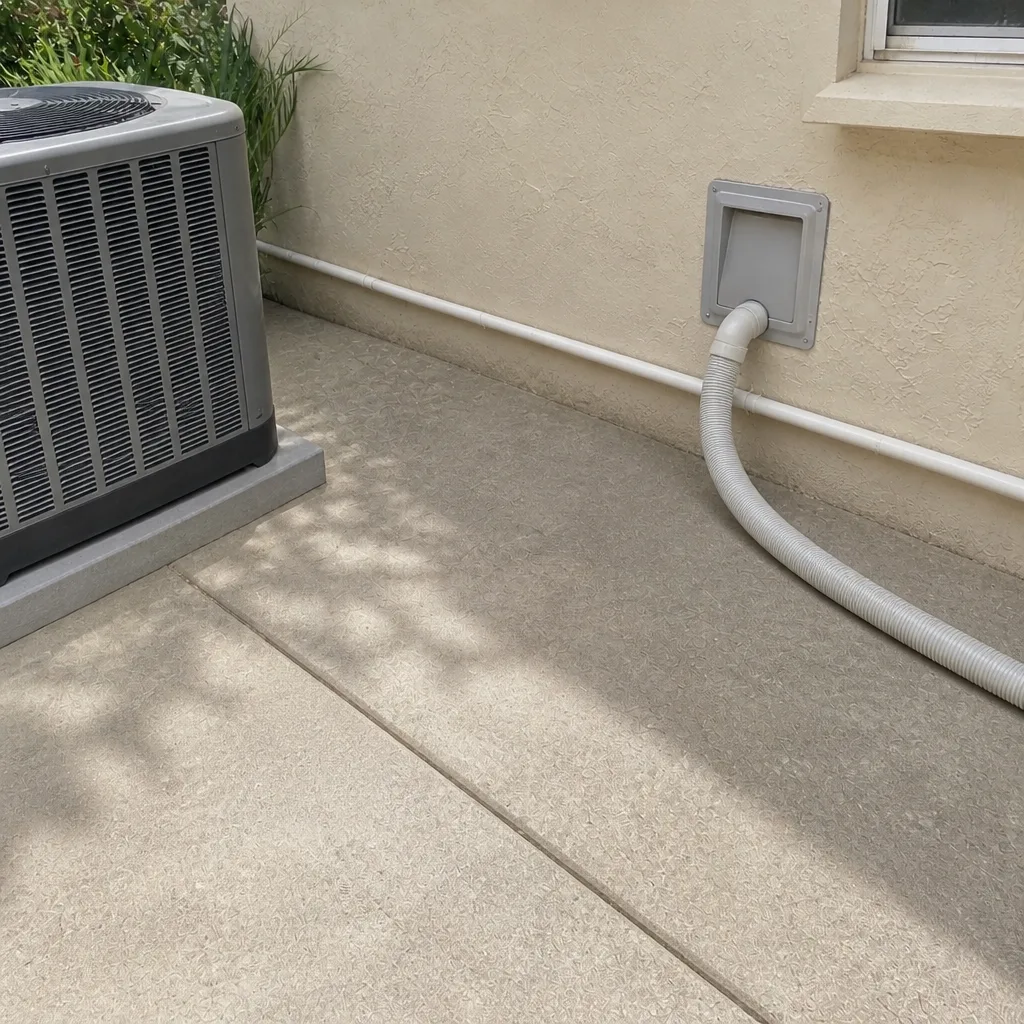
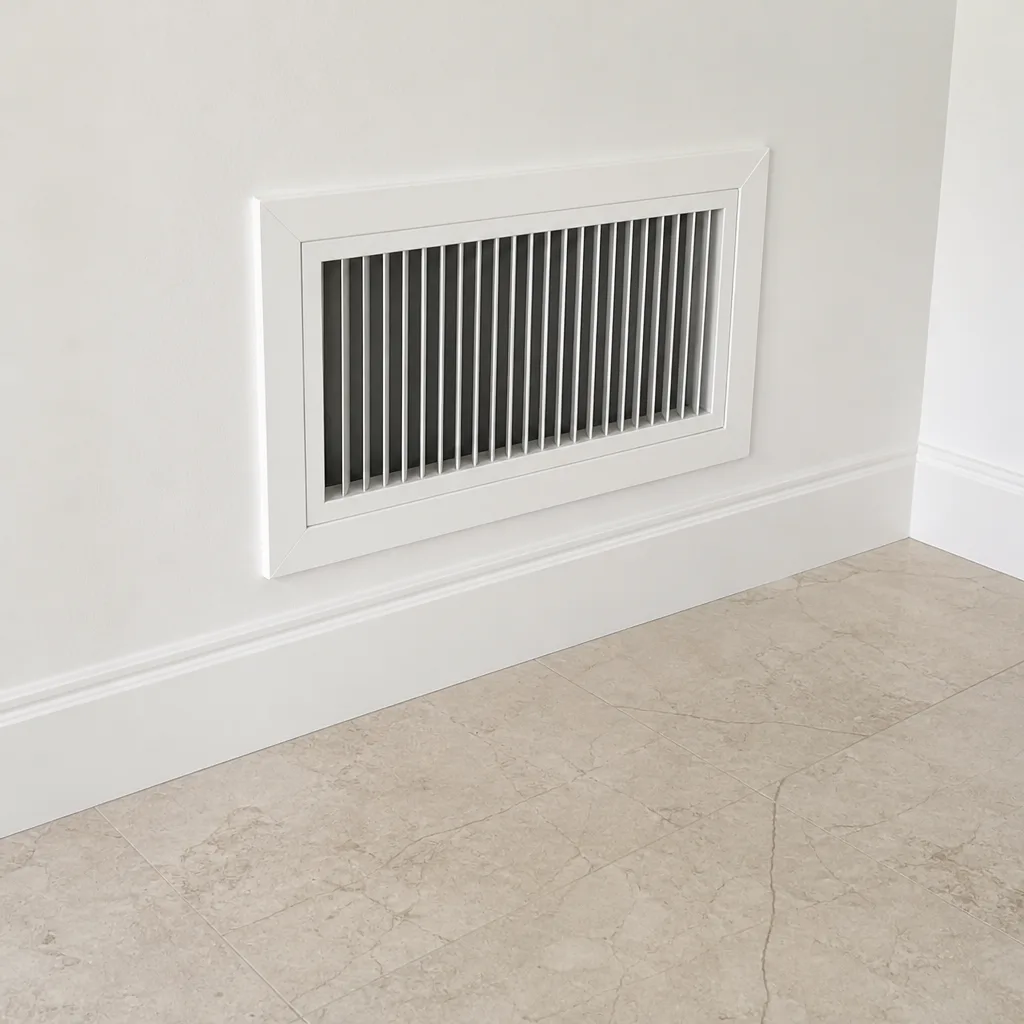
See the difference
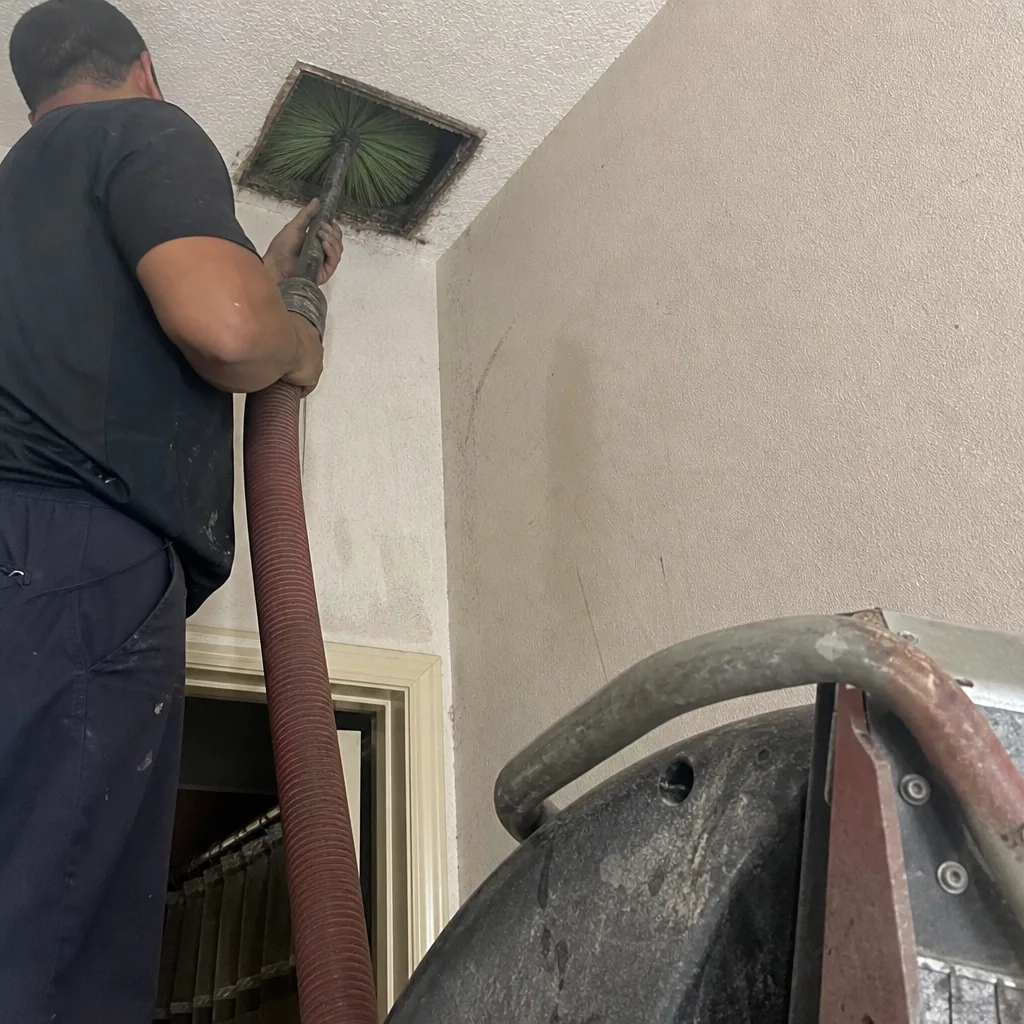 Before
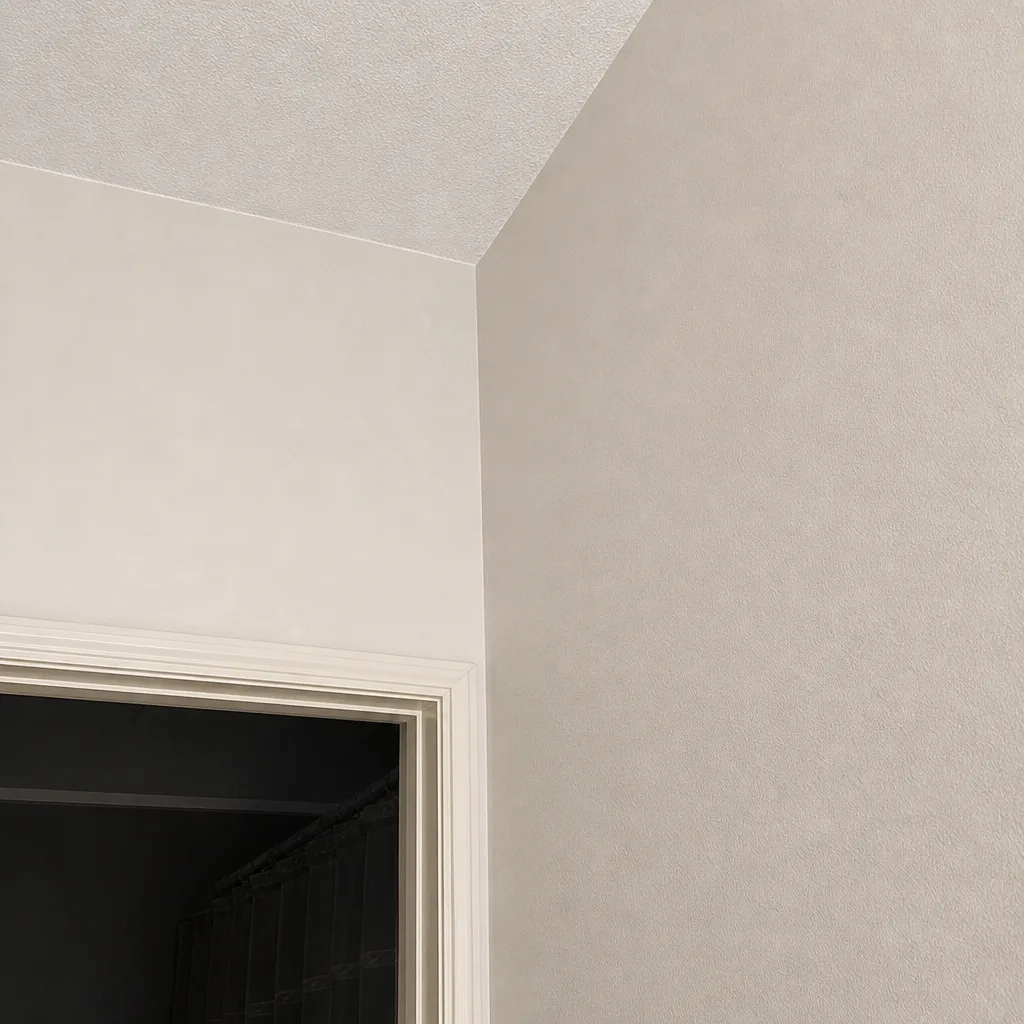 After
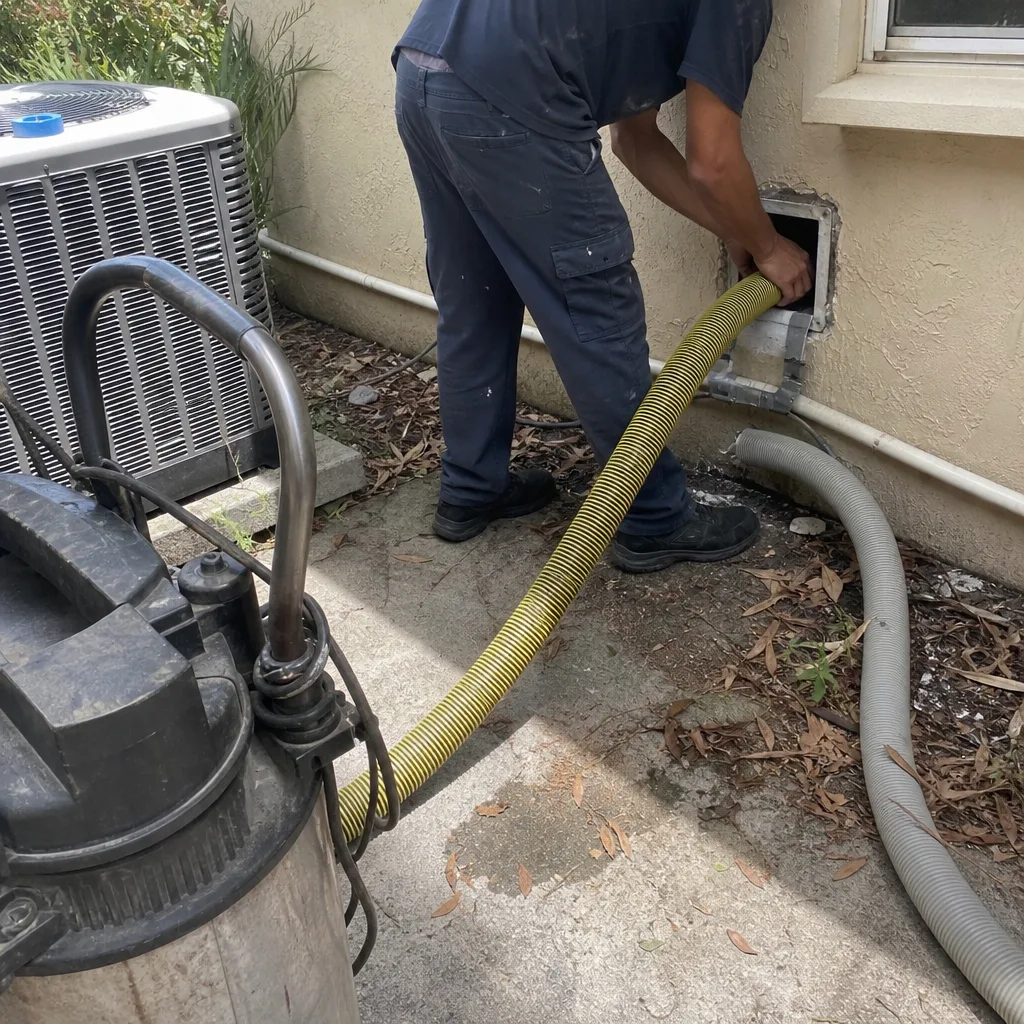 Before
 After
 Before
 After
When to Call a Professional
Call a professional for scenarios that require equipment and containment that consumer tools can’t provide. These include: any post-construction cleanup; any post-flood or water-intrusion situation; visible mold at the air handler, coil, or registers; a new-home purchase where you don’t know the prior maintenance; persistent musty odor when the AC runs; uneven cooling between rooms; and a dryer that takes two cycles to finish a load. Any of these moves the answer from “DIY is acceptable for now” to “let a professional take a look.”
Ashford Air Duct Cleaning offers free estimates in Pembroke Pines. Call (855) 508-8964. We answer 24/7. Fast dispatch from 7am to 7pm, Sunday through Friday.
Frequently Asked Questions
DIY air duct cleaning is a good idea for filter changes, register-cover cleaning, and visual inspection at accessible points. It’s not a good idea for anything that requires reaching past the first 18 inches of a duct, cleaning the air handler or coil, or addressing any sign of moisture or growth. In a humid climate, a partial DIY attempt on a system with biological buildup does more harm than good because it disturbs material without extracting it. Call (855) 508-8964 for an exact quote on what a full cleaning would cover; estimates are free.
Professional air duct cleaning in Pembroke Pines is priced per system, not per vent, and the written estimate sets the final price. The number depends on the size of the system, how many runs it serves, whether the air handler and coil need cleaning, and whether repair is part of the job. A real quote is agreed before any work starts and doesn’t change once the technician is on site. Call (855) 508-8964 for an exact estimate; the estimate is free.
Cheap quotes are usually cheap for a reason: per-vent pricing that looks low until you multiply it out, surface-only cleaning that doesn’t reach the plenum or air handler, or a price that grows once the technician is on site. A real whole-system clean with rotary-brush equipment and negative-air containment is a specific scope of work, and the honest price reflects that. Ask what the quote includes, and ask what equipment will be on site. Call (855) 508-8964 to compare against a documented professional estimate; the estimate is free.
Ask for before-and-after photos of your own ducts. A professional company documents what it found and what it cleaned, not just the invoice total. In our experience, that documentation is the clearest signal that the work is real. If a company can’t show you photos of the specific system they just serviced, that’s a red flag worth heeding. Call (855) 508-8964 to book a job that includes documented before-and-after photos; estimates are free.
There’s no fixed schedule that applies to every home. In Pembroke Pines, the continuous AC season and high humidity mean the system reaches the point of needing a professional clean sooner than in drier climates, but “how often” depends on filter discipline, whether there’s been construction or water intrusion, whether there are pets, and what a visual inspection turns up. A professional inspection tells you what’s actually in the system rather than guessing at a schedule. Call (855) 508-8964 to schedule an inspection; estimates are free.
Yes, in specific circumstances. If a system has biological buildup or compacted debris and only loose material is disturbed without a HEPA-rated vacuum running concurrently to capture it, that material becomes airborne and can move through the system into living space. In a humid Pembroke Pines home where condensation has created growth conditions inside ductwork, a partial DIY attempt risks redistribution rather than removal. Professional cleaning with Abatement Technologies filtration and Nikro HEPA extraction addresses this by capturing material at the source. Call (855) 508-8964 for a quote that includes proper containment; estimates are free.
The Bottom Line
The DIY vs professional duct cleaning question comes down to what your tools can physically reach. A shop vac and a drill-brush kit handle the first 18 inches of a duct opening, which is a small fraction of the total surface area of a typical Pembroke Pines air system and zero percent of the air handler, coil, or plenum. Rotobrush rotary-brush systems paired with Nikro HEPA extraction reach the full system while containing the debris. DIY is the right answer for filter changes, register cleaning, and visual inspection. It’s the wrong answer for post-construction, post-flood, visible growth, or any system that hasn’t been professionally cleaned in a long stretch. For the whole-system view, see Ashford Air Duct Cleaning and our dryer vent cleaning and air duct repair services; both sit alongside cleaning in the same company.
If you’re in Pembroke Pines and you’re not sure which side of the line your home is on, the answer is usually an inspection. Ashford Air Duct Cleaning provides free estimates, uses industrial-grade equipment on every job, and can clean, repair, or work around any Honeywell or Aprilaire system you have without voiding manufacturer expectations. Our technicians have up to 15 years of experience. Whether you need air duct cleaning or a full system repair, we handle it in one visit. Call (855) 508-8964. We answer 24/7. Fast dispatch from 7am to 7pm, Sunday through Friday.
Written by the team at Ashford Air Duct Cleaning.