
Last updated November 15, 2026
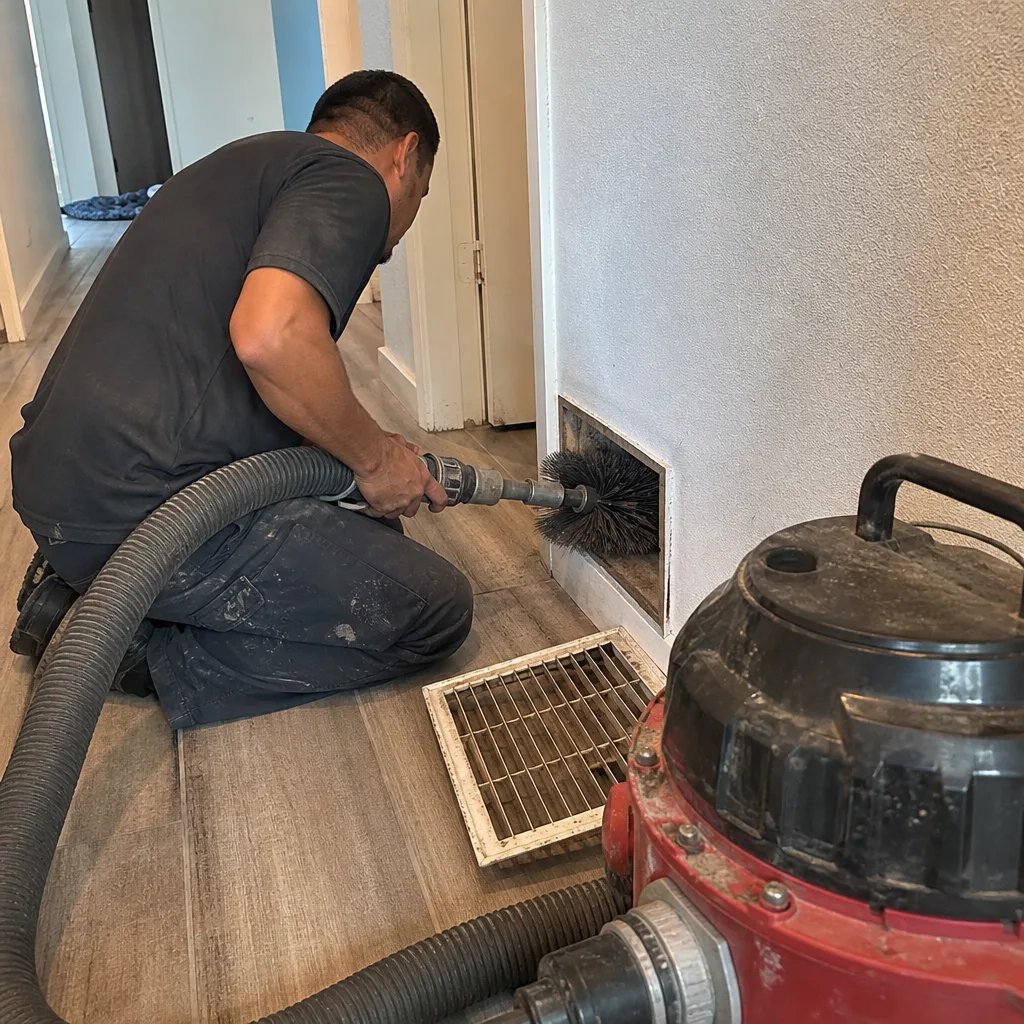
 Whole-home duct cleaning
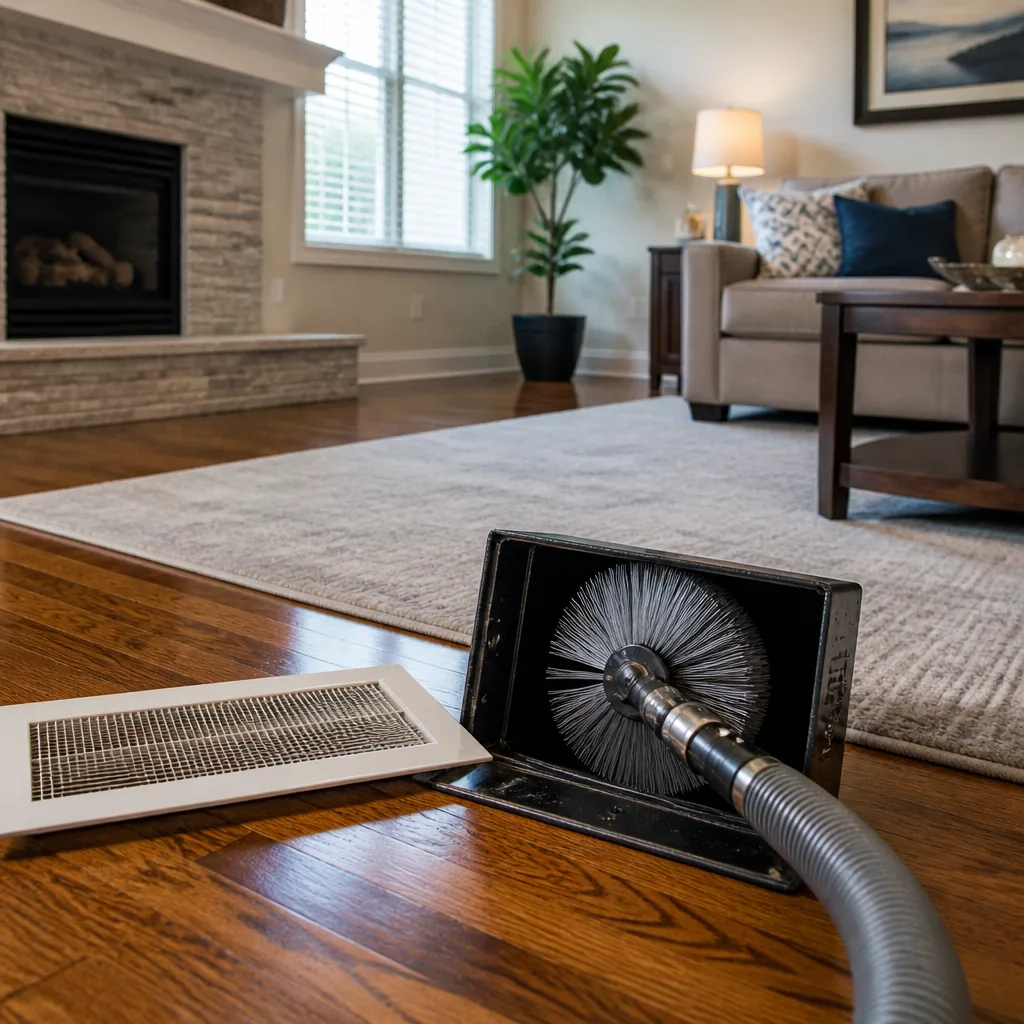
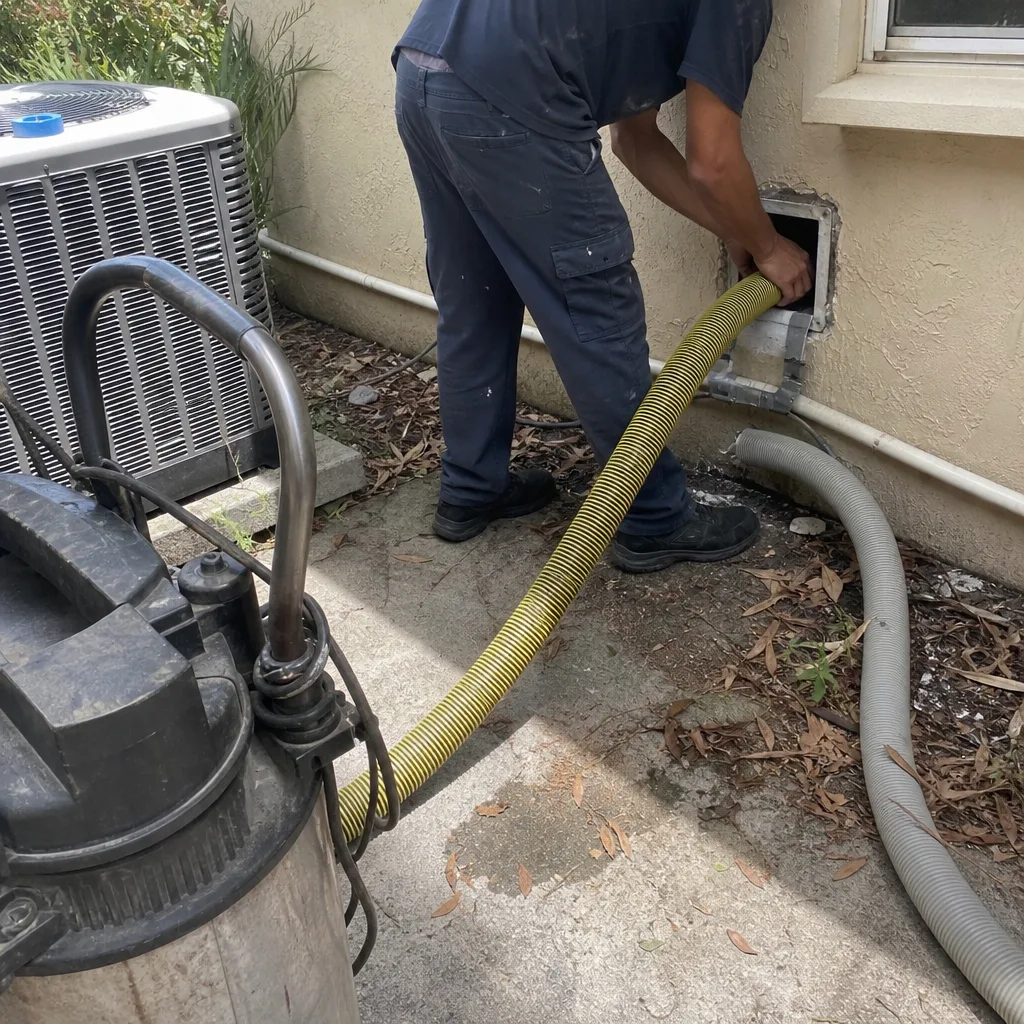
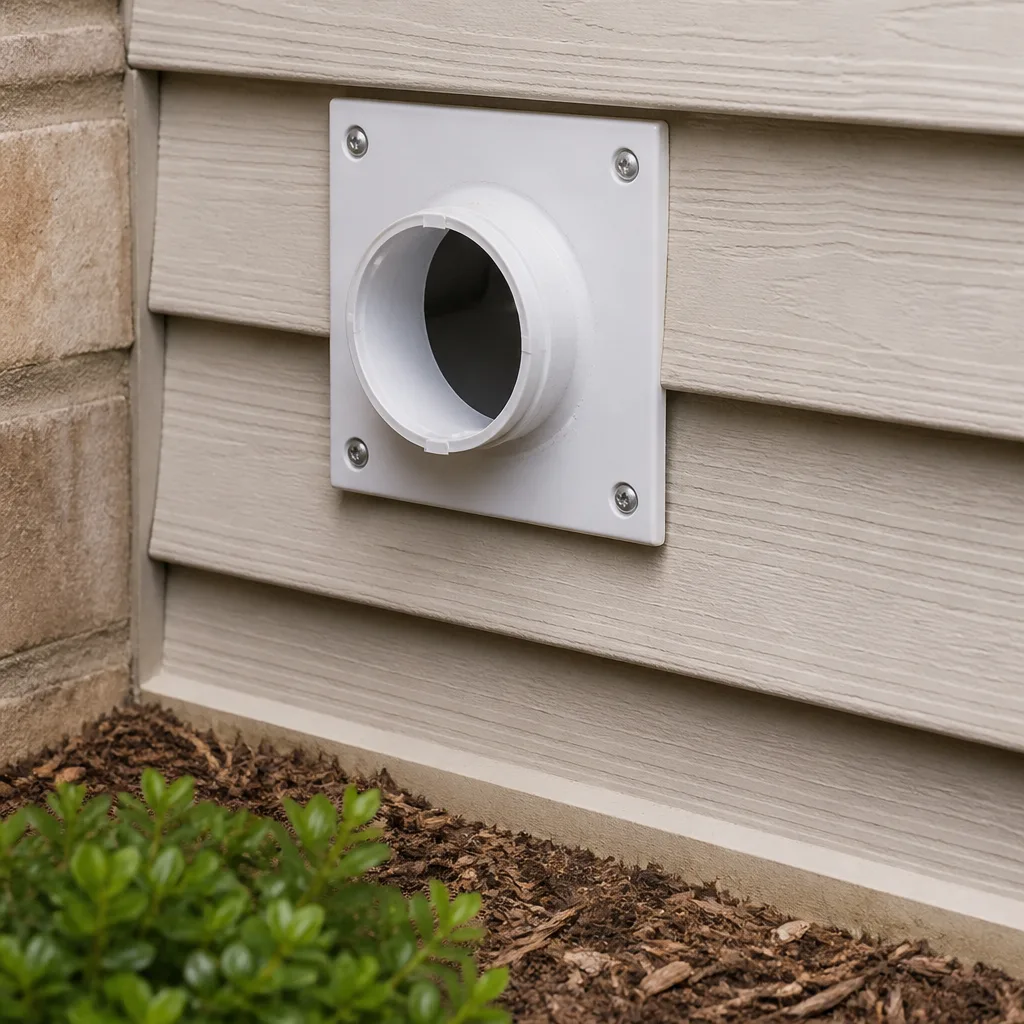 Dryer vent cleaning
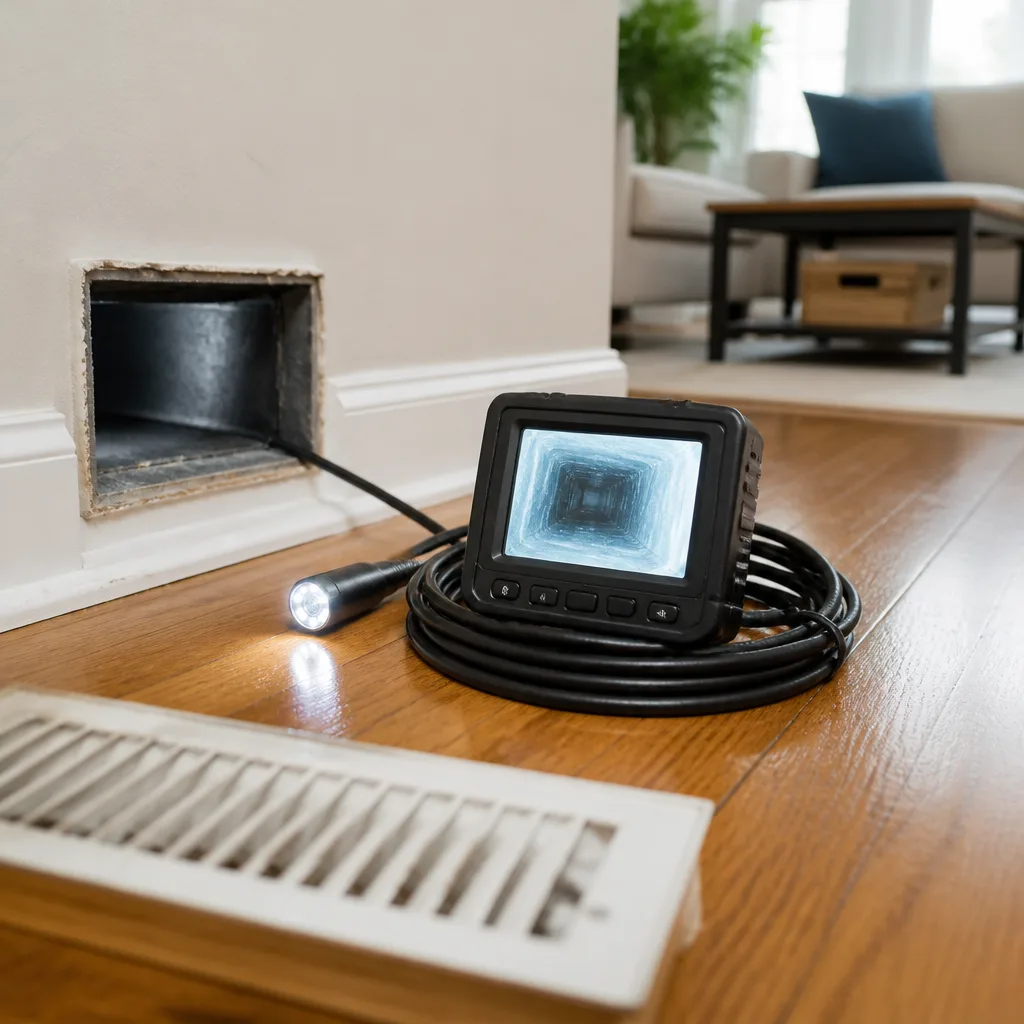 Camera inspection
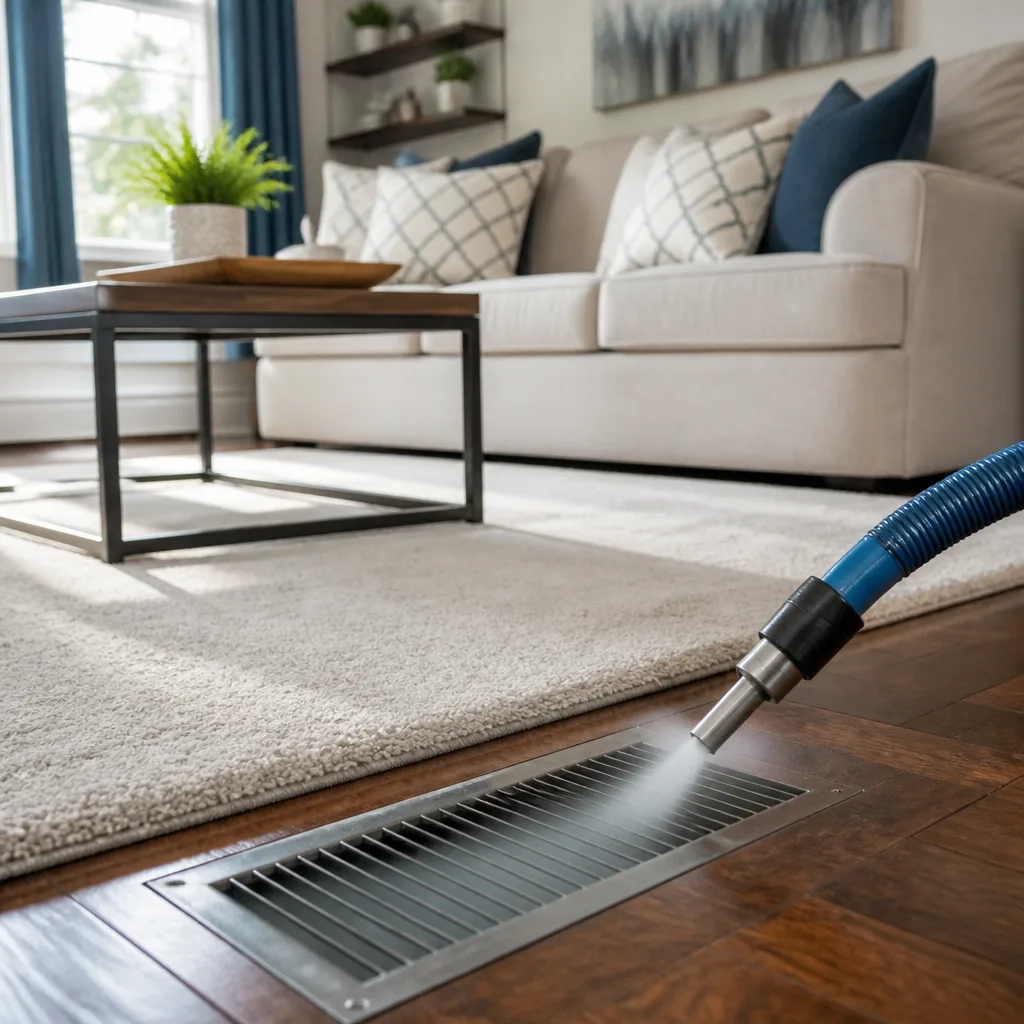 Sanitizing & deodorizing
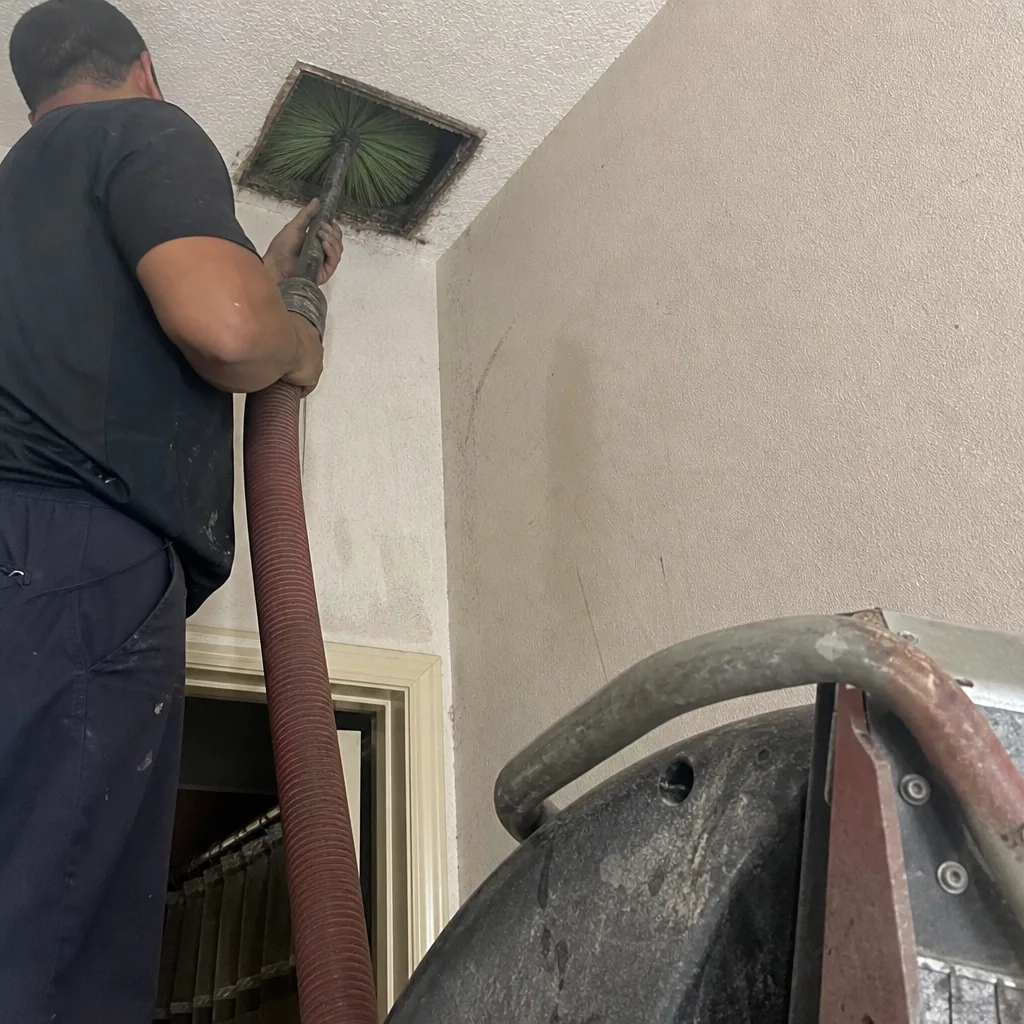
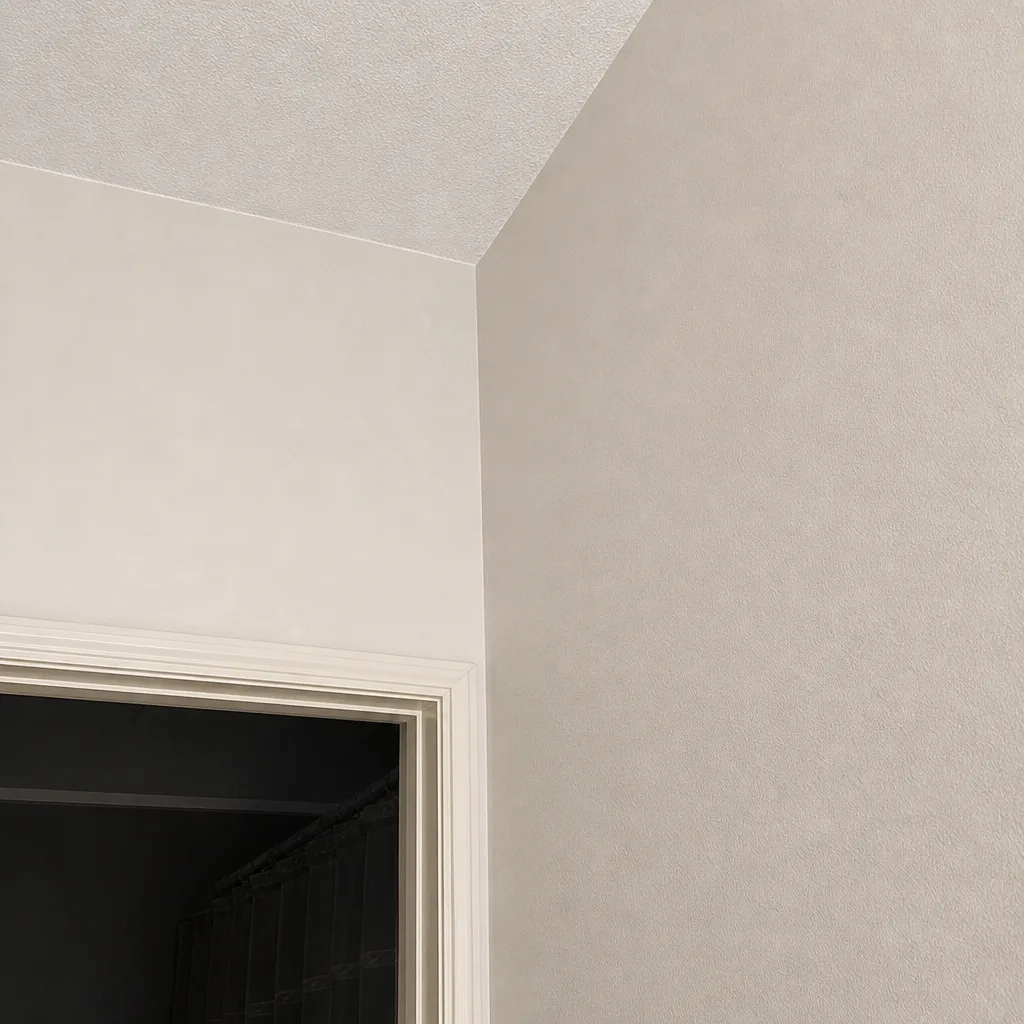
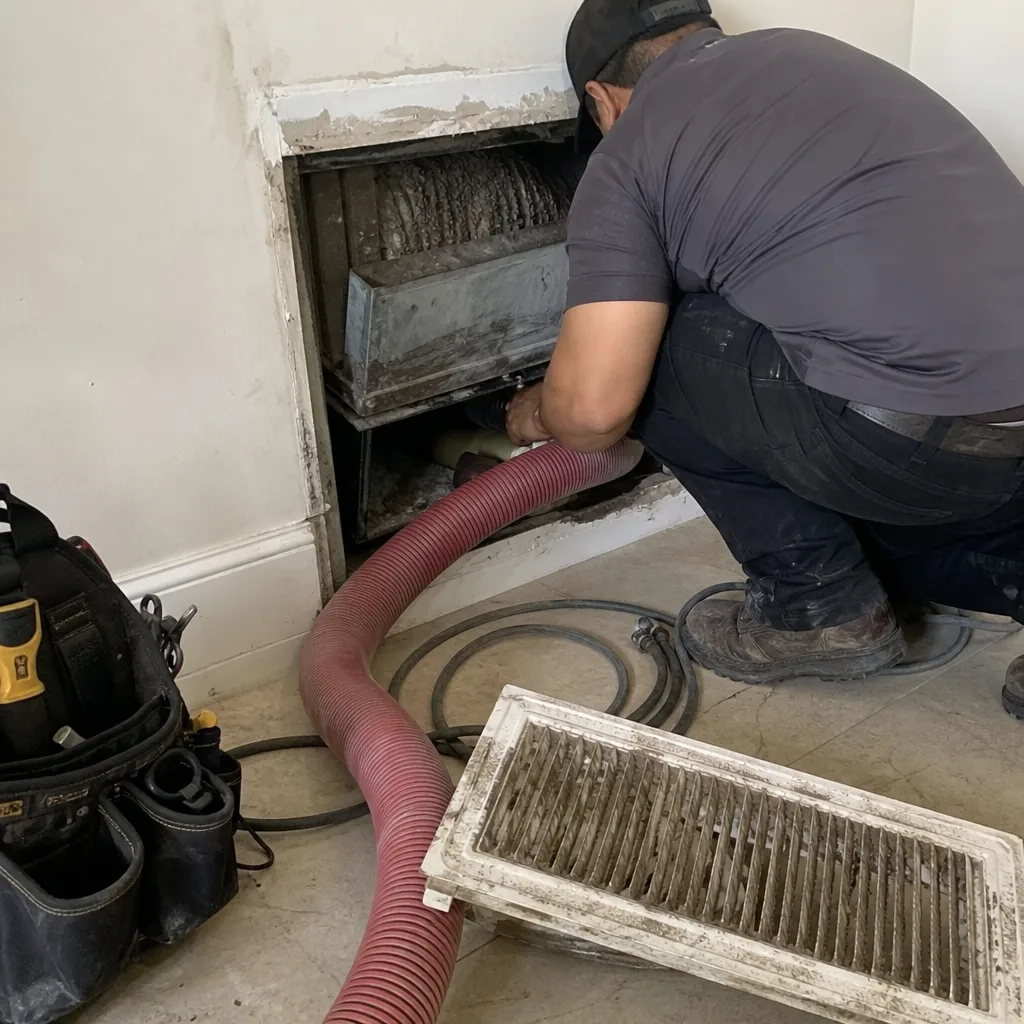
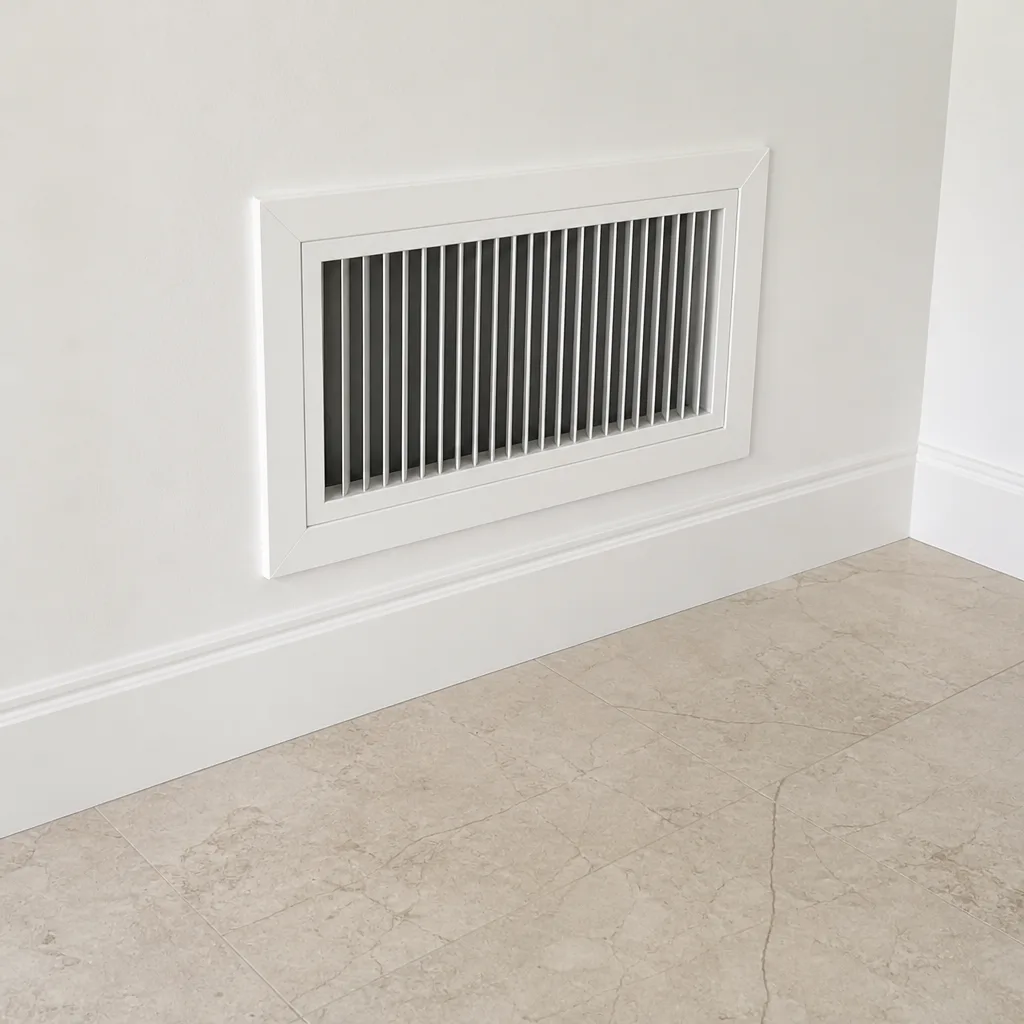
Whole-system duct and dryer vent check with before-and-after photos - you see exactly what came out of your vents
That "$99 whole-house special" is a bait ad - the real number appears once they are in your hallway, or the "clean" is a shop-vac at the register. We photograph the inside of your ducts before and after instead.
Choosing the Right Air Duct Cleaning Brand: A Buyer’s Guide for Pembroke Pines
Here’s the uncomfortable truth about shopping for duct cleaning: there’s no brand on a duct cleaning truck that a homeowner would recognize. No Rotobrush badge on the grille, no Nikro logo on the door that means anything to you sitting in your driveway. Compare that to buying a car or a refrigerator, where a name you’ve heard of does half the deciding for you. Duct cleaning doesn’t work that way. The company name tells you almost nothing. What’s on the truck, and who’s running it, tells you everything. This guide walks you through how to evaluate a duct cleaning operator in Pembroke Pines by methodology and capability rather than marketing, so you can tell a real specialist from a coupon crew before anyone sets foot in your home.
Quick Answer
Choosing the right air duct cleaning company in Pembroke Pines comes down to four things: the equipment platform (professional rotary-brush and HEPA systems versus portable blowers), whether the operator can also repair and seal your ducts, whether they’ll explain their process in real technical detail, and whether they’re a local operation you can hold accountable. Brand recognition is nearly worthless in this trade. Equipment methodology, service scope, and demonstrated technical competence are what separate a professional clean from a shortcut.
Styles & brands we work with
- Whole-home duct cleaning
- Dryer vent cleaning
- Camera inspection
- Sanitizing & deodorizing
Table of Contents
- Why Brand Recognition Doesn’t Work for Duct Cleaning
- How to Judge a Company by Its Equipment
- What NADCA Certification Tells You and What It Doesn’t
- Reading the Pembroke Pines Market: Local, Franchise, or Seasonal
- The Explaining Test: What a Company’s Answers Reveal
- The Scope Test: Clean-Only Versus Full-System
- Why South Florida Homes Need Full-Scope Duct Work
- Common Mistakes to Avoid
Why Brand Recognition Doesn’t Work for Duct Cleaning
In most service categories, there’s a name you can lean on. You know the big paint brands. You know the appliance names. Duct cleaning has no equivalent, because the equipment that actually cleans a duct system lives in the commercial and industrial world, not on a shelf at a home improvement store. A homeowner in Pembroke Pines has no reason to recognize Rotobrush or Nikro or Abatement Technologies by sight, and that’s fine. The point isn’t that you should learn the brand names. The point is that you can’t shortcut the decision with brand loyalty, so you have to evaluate the operator instead.
That shifts the whole question. Instead of “which brand is best,” the useful question is “what does this company actually do, with what tools, and can they prove it.” Marketing copy is cheap, and in a market saturated with promotional pricing, the loudest ads usually come from the operations with the least capability behind them. Nobody spends money on rotary-brush equipment and HEPA filtration and then sells the work for a price that doesn’t cover the fuel. The math doesn’t work. So the price itself is a signal.
We approach this from the equipment side because it’s the one thing a homeowner can verify by asking. When you understand what professional-grade duct cleaning requires, you can ask questions that a marketing-trained salesperson can’t answer but a real technician can. That’s the whole test, and it’s the thread running through the rest of this guide for Pembroke Pines.
How to Judge a Company by Its Equipment
Equipment is the most objective thing you can evaluate, because it either exists or it doesn’t. Duct cleaning breaks into two tool categories: what agitates the debris loose inside the ducts, and what captures it before it ends up back in your living room. A professional operation has serious versions of both. Here’s what to look for and what each category does.
- Rotary-brush agitation. A rotating brush system physically scrubs the interior walls of the duct. This is the industry benchmark for mechanical cleaning, because dust and debris don’t just sit loosely in a duct; they cling to the walls, especially in a humid climate. A portable blower that just pushes air doesn’t scrub anything. It loosens the light surface dust and leaves the rest.
- HEPA-rated vacuum capture. The vacuum has to hold what the brush releases. A HEPA-rated unit like the Nikro systems we run traps the fine particulate so it’s removed from your home, not recirculated into it. Consumer vacuums and shop-vacs don’t do this at a scale that matters.
- Negative-air filtration. The strongest operations add Abatement Technologies negative-air and filtration equipment, the standard in mold and abatement work. It captures contaminants at the source and keeps the work zone contained. This is rarely seen in residential duct cleaning, and it’s a tell that the operator treats the job as a contamination-control problem, not a quick blow-out.
- Inspection access. Ask how they get eyes on the duct interior. A company that can’t show you what’s inside before and after is guessing.
The reason this matters in Pembroke Pines specifically is the humidity. Air conditioning runs most of the year, which means the system is cycling air constantly and moisture is always present in the ducts. Debris that clings and stays damp doesn’t come loose without mechanical agitation. A blower-only clean can actually make things worse by stirring up what it can’t capture. When you request an air duct cleaning estimate, ask what agitation and what capture equipment will be on site. The answer tells you more than any brochure.
What NADCA Certification Tells You and What It Doesn’t
NADCA (the National Air Duct Cleaners Association) certification is a meaningful floor, not a ceiling. It signals that a company has committed to a training standard and follows a recognized assessment, cleaning, and restoration methodology. When you see it, you know the operator isn’t a seasonal crew with a rented blower. That’s real value, and it’s worth asking about directly.
But certification alone doesn’t tell you everything, and treating it as a finish line is a mistake. Here’s what to look for beyond the certificate:
- The specific equipment behind it. A certified company should be able to tell you the platform it uses for agitation and capture. Certification describes a standard; equipment describes execution.
- Whether they can repair, not just clean. NADCA methodology includes restoration, and a company that stops at cleaning isn’t using the full method. Ask whether they handle breached or disconnected ductwork.
- How they handle premium IAQ systems. If your home has a Honeywell or Aprilaire air-quality component, a company that doesn’t understand those systems can cause problems. Ask whether the technicians are familiar with yours.
- Documentation. Before-and-after photos of your own ducts are the simplest proof that the work happened. Ask before you book.
We’ve seen homeowners in Pembroke Pines treat a certification badge as the whole answer and end up with a surface clean. Certification raises the floor on training and method, which is why we point to it. It doesn’t replace the equipment question or the scope question. Those you still have to ask. The companies that welcome the questions are the ones you want.
Reading the Pembroke Pines Market: Local, Franchise, or Seasonal
Pembroke Pines has a specific market reality that shapes how you shop. It’s a large, established city with a lot of housing stock and a lot of HVAC systems working hard year-round, which makes it attractive to three very different kinds of duct cleaning operator. Knowing which one you’re talking to changes how much you can trust the pitch.
- Established local operators. These companies have fixed equipment, trained technicians, and a reputation built in the community they work in. Their business depends on referrals and repeat work, which means they have something to lose if a job goes badly. They tend to explain their process without being pushed.
- National franchise systems. Franchises can be perfectly competent, but the brand on the van is a corporate system, not a local operator. The quality varies by the individual franchise owner. The brand tells you about the corporate playbook, not about the crew that shows up. Ask the same equipment and scope questions you’d ask anyone.
- Seasonal and solicitation operations. These are the crews that appear with a low promotional price and a rented or consumer-grade blower, do a fast pass, and move on. They have no local reputation to protect because they don’t rely on one. In a market like Pembroke Pines, they can knock on a lot of doors before anyone compares notes.
We’re a local operation, so we have a clear bias here, but the practical advice holds regardless of who you talk to: ask where the operator works and who they answer to. A company with real roots in Pembroke Pines has to live with the result of every job. A company passing through doesn’t. That accountability gap is the single biggest difference between a professional clean and a promotional one. It shows up in equipment, in willingness to document, and in how the price is built.
The Explaining Test: What a Company’s Answers Reveal
The fastest way to tell a competent duct cleaning company from a well-trained sales pitch is to ask them to explain their process in technical detail. Competence and sales training sound different. A salesperson has a script about health benefits and special prices. A technician talks about agitation, capture, containment, and inspection access, because that’s the actual work. How a company answers reveals which one you’re dealing with.
Here’s a short list of questions that separate the two. None of them require you to know anything technical yourself; you’re listening for whether the answers are specific.
- “What equipment will be on site, and what does each piece do?” A real operator names the tools and explains the role of each. A scripted one says “the best equipment” and moves on.
- “How do you keep the debris from blowing back into my home?” Listen for containment and HEPA capture. Any answer that doesn’t address capture is a shortcut.
- “How do you verify the job is complete?” Before-and-after documentation is the honest answer. “You’ll feel the difference” is not.
- “Can you repair a duct if you find one disconnected or torn?” A full-scope company says yes. A clean-only company changes the subject.
- “How is the price built?” A professional quotes per system, not per vent, and sets the price before work starts. Per-vent pricing is how promotional crews turn a low teaser into a large invoice once the technician is inside.
In our experience, homeowners who ask these questions can usually tell within a few minutes whether they’re talking to a technician or a closer. The company that welcomes the technical conversation is the one that’s actually set up to do the work. That’s the honest version of what makes a company worth hiring in Pembroke Pines.
The Scope Test: Clean-Only Versus Full-System
A company’s service scope is a direct read on its expertise. Cleaning a duct system is one task; assessing, repairing, and sealing that system is a larger one that requires understanding how the whole air system is put together. A company that only cleans has a limited picture. A company that can also diagnose and fix problems has the deeper capability, and it shows the moment they’re inside your ducts.
We offer air duct cleaning, dryer vent cleaning, and air duct repair as three connected services under one company. That’s not a marketing list; it’s what the work requires. When a technician finds a disconnected joint, a torn flex section, or a breach in the ductwork, a clean-only operator has to stop and refer you to someone else. The full-scope operator fixes it as part of resolving the problem. Your air system gets handled end to end instead of passing between vendors.
Why does this matter especially in South Florida homes? Duct systems here face a long cooling season and a lot of flex duct in residential construction, and flex duct fails at joints and connections over time. A clean-only job can overlook a breach that’s dumping conditioned air into an attic or garage, which wastes energy and pulls unconditioned air into the system. A company that can inspect, repair, and seal sees that problem and can close it. That’s the difference between cleaning a system and taking care of it. A diagnosis belongs to a technician who understands the whole system; repair capability is what backs up the diagnosis.
Why South Florida Homes Need Full-Scope Duct Work
Pembroke Pines homes run their air systems almost continuously. Mild winters mean the heating season is short, but the cooling season is long, and the system moves a lot of air through the ducts month after month. That constant cycling drives two things: debris accumulates faster than in a climate with a long closed-off season, and the ducts stay humid, which lets dust and organic material cling to the interior walls. It’s a different maintenance rhythm from a colder market, and it means cleaning needs to actually remove what’s built up, not just knock down the surface.
Humidity does one more thing worth understanding. Any moisture that reaches a duct interior can encourage biological growth, which is one reason containment matters during service. A company using Abatement Technologies filtration captures contaminants at the source and keeps the work zone clean instead of redistributing them. A company with a shop-vac doesn’t. And a company that understands Honeywell and Aprilaire IAQ systems can work around those components without interfering with them, which matters if your home has an air-quality system the manufacturer expects to be treated a certain way.
The climate reality points to a simple conclusion: in Pembroke Pines, duct work is a whole-system job, evaluated on the operator’s equipment and scope rather than the brand on the van. A cleaner that can agitate, capture, contain, repair, and inspect is doing the full job. Anything less is a partial one. When you’re comparing companies, compare them on the Ashford Air Duct Cleaning standard: professional-grade tools, full scope, and documented results.
Common Mistakes to Avoid
- Choosing by coupon price alone. A very low promotional price only covers a very fast, very shallow job. The money to do the work properly has to come from somewhere. Expect a whole-system price, not a teaser.
- Assuming the brand name means quality. In this trade, the brand on the van says nothing you can rely on. Evaluate the equipment and the operator, not the logo.
- Not asking what equipment will be on site. If a company can’t name its agitation and capture equipment, you have no way to know what you’re buying. Ask, and listen for specifics.
- Accepting per-vent pricing without asking about the total. Per-vent pricing is exactly how a low coupon turns into a much larger invoice once the technician is on site and counting. Ask for a flat price per system agreed in advance.
- Hiring a clean-only company for a system that needs repair. If your ducts have a breach or a disconnected section, cleaning alone won’t fix the problem. Confirm up front that the operator can repair what they find.
- Not asking for before-and-after photos. It’s the simplest proof the work happened, and a professional operation expects to provide it. The reluctance to document is itself an answer.
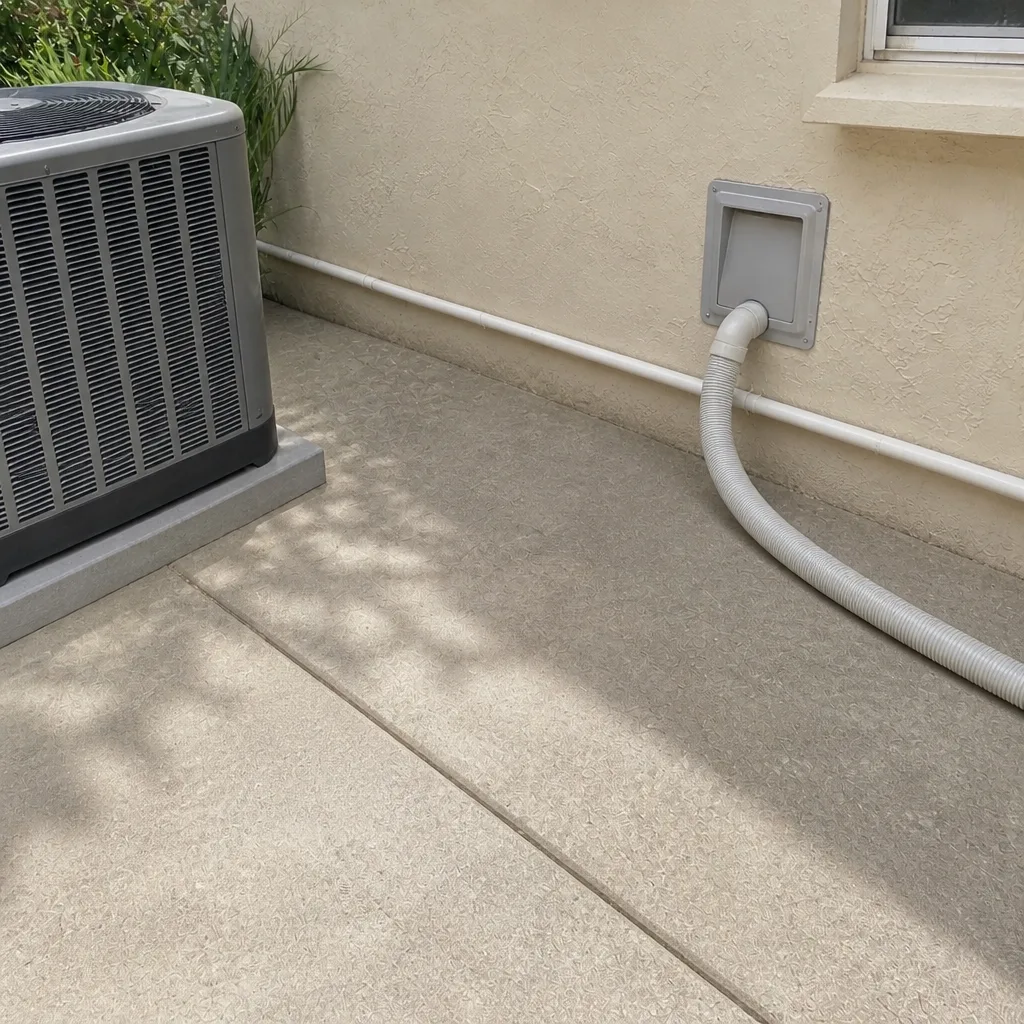
- Ignoring the dryer vent because the HVAC system got the attention. Dryer vent cleaning is a separate, routinely skipped service. It’s worth asking about on its own, for fire-risk reasons, not just efficiency.
See the difference
 Before
 After
 Before
 After
 Before
 After
When to Call a Professional
Some signs point to a duct or vent problem that needs a professional look, and Pembroke Pines homeowners tend to notice them together. Persistent dust settling on surfaces shortly after cleaning, a musty smell that returns when the system runs, uneven airflow between rooms, a dryer that takes longer than it used to dry a load, or a system that seems to be working harder than it should. These are the symptoms that come up when the ducts are the source. If you’ve noticed more than one, it’s worth a professional assessment rather than another home fix.
Ashford Air Duct Cleaning offers free estimates in Pembroke Pines. Call (855) 508-8964. We answer 24/7. Fast dispatch from 7am to 7pm, Sunday through Friday. A call outside dispatch hours is booked into the next opening, Sunday through Friday, 7am to 7pm. Our technicians have up to 15 years of experience, and the written estimate sets the final price before work starts.
Frequently Asked Questions
Choose on four criteria: the equipment platform (professional rotary-brush and HEPA systems, not portable blowers), whether the company also repairs and seals ducts, whether the technicians explain their process in real technical detail, and whether they’re a local operator you can hold accountable. Brand recognition is nearly worthless here because no duct cleaning brand is one homeowners recognize. Ask the questions, compare the answers, and you’ll separate the specialists from the promotional crews.
NADCA certification is a meaningful training and methodology floor, but it isn’t the whole picture on its own. It tells you the operator follows a recognized assessment and cleaning standard, which is worth a lot. Look beyond it for the specific equipment they use, their repair capability, and how they handle premium IAQ systems like Honeywell or Aprilaire. Certification plus equipment plus scope is a full picture. Call (855) 508-8964 for an exact quote on your home; estimates are free.
A very low promotional quote usually reflects a fast, surface-level blower pass done with consumer equipment, not a full professional clean. Professional rotary-brush agitation and HEPA capture cost real money to run, so a price that doesn’t cover those tools can’t include them. Look for a flat price per system, agreed before work starts, and before-and-after photos of your own ducts. Call (855) 508-8964 for an exact quote; estimates are free.
Ask for before-and-after photos of your own ducts, taken during the service. It’s the simplest and most reliable proof that the work happened and what changed. A professional operation expects to provide documentation. Reluctance to show you what they removed is an answer in itself. If a company can’t document the job, ask why before you book.
Hire one that can also repair, when you can. Duct cleaning often turns up problems that cleaning alone doesn’t fix: disconnected joints, torn flex sections, and breaches that leak conditioned air. A clean-only company has to stop and refer you elsewhere. A company with repair capability resolves the problem as part of the job. In Pembroke Pines, where systems run year-round, that full-scope capability matters.
There isn’t a single schedule that fits every home; it depends on the system, the occupants, pets, recent renovation, and what an inspection shows. What matters is that you don’t need a cleaning on a fixed schedule the way you might get an oil change. If dust, musty odors, uneven airflow, or a slow dryer bring you to suspect your ducts, an inspection tells you more than a calendar. Call (855) 508-8964 to get an exact quote.
The Bottom Line
Choosing the right air duct cleaning company in Pembroke Pines starts with dropping the brand-loyalty shortcut, because there’s no duct cleaning brand a homeowner recognizes. The decision comes down to equipment, scope, and accountability: what’s on the truck, what the operator can actually fix, and who has to answer for the result. Ask the equipment question. Ask the scope question. Ask the explaining question. Then ask whether the operator is local enough to live with the outcome. A company that welcomes all of that with specifics is the one worth hiring. Call (855) 508-8964. We answer 24/7. Fast dispatch from 7am to 7pm, Sunday through Friday.
Written by the team at Ashford Air Duct Cleaning.