
Last updated November 15, 2026
 Whole-home duct cleaning
 Dryer vent cleaning
 Camera inspection
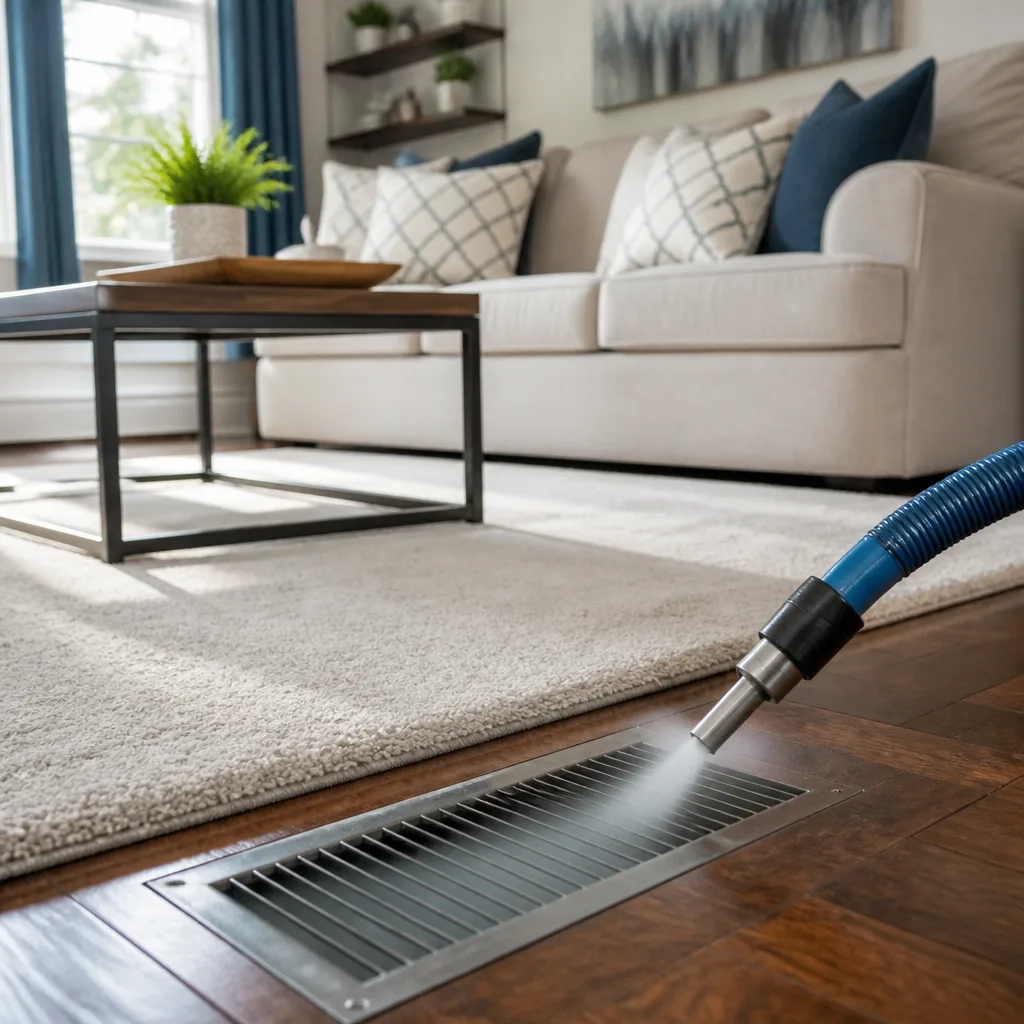 Sanitizing & deodorizing
Whole-system duct and dryer vent check with before-and-after photos - you see exactly what came out of your vents
That "$99 whole-house special" is a bait ad - the real number appears once they are in your hallway, or the "clean" is a shop-vac at the register. We photograph the inside of your ducts before and after instead.
The Complete Guide to Air Duct Cleaning in Pembroke Pines
Most duct cleaning guides are written for a house in Ohio. They talk about heating season, dry winter air, and dust that settles and sits. Pembroke Pines doesn’t work that way. Here, the air your system moves is warm and heavy with moisture for most of the year, and that changes what grows inside your ductwork, how fast it gets there, and what a real cleaning has to remove. A dusty duct in a dry climate is a dust problem. A dusty duct in South Florida can become a biological one within weeks of any disturbance to the system. In this guide we’ll walk through why that happens, what professional equipment actually does differently, how to tell whether your home needs cleaning or repair, and how to read a finished job so you know it was done to standard.
Quick Answer
Air duct cleaning in Pembroke Pines is a whole-system service: a rotary-brush and HEPA-vacuum clean of the supply and return ducts, the plenum, and the air handler, done with negative-air filtration so debris leaves the house instead of settling back into it. In this climate, cleaning is really moisture management first and dust removal second, because warm humid air pushes biological growth inside ductwork faster than most homeowners expect. A full-scope job should also inspect and, where needed, repair the duct system itself.
Styles & brands we work with
- Whole-home duct cleaning
- Dryer vent cleaning
- Camera inspection
- Sanitizing & deodorizing
Table of Contents
- Why Pembroke Pines Humidity Changes What Duct Cleaning Means
- How to Tell Your Pembroke Pines Home Needs Duct Cleaning
- What Real Duct Cleaning Equipment Looks Like
- Cleaning, Sealing, or Repair: Which Does Your Home Need?
- What a Full-Scope Duct Inspection Should Cover
- How to Read a Post-Cleaning Verification
- What Air Duct Cleaning Costs in Pembroke Pines
- Common Mistakes to Avoid
Why Pembroke Pines Humidity Changes What Duct Cleaning Means
Pembroke Pines averages more than 60 inches of rain a year, and relative humidity here rarely falls below 60%. Those two facts reshape the whole conversation about ductwork. In a dry climate, the main contaminant inside a duct is settled dust, pet hair and construction debris. In our climate, that same dust layer becomes a food source. Add the condensation that forms on cold surfaces when a system cycles, and you have the conditions biological growth needs: moisture, organic material, and darkness. That’s the difference national guides miss.
This is why we treat duct cleaning as a moisture-management discipline. The dust you can see through the vent is the least interesting part of the job. What matters is what’s clinging to the inside walls of the duct run, what’s sitting in the air handler’s drain pan, and whether the system has enough airflow and enough insulation to keep surfaces dry between cycles.
Homes in neighborhoods like Silver Lakes, Chapel Trail and Pembroke Falls are built for cooling, not heating, so the system runs long and hard for most of the year. Long run times move a lot of air. That air carries moisture, and over time the whole system is working in a wetter environment than a northern guide assumes. If your home sits under heavy tree cover or has a shaded north-facing wall, the system may run less in shoulder seasons, which changes the moisture math again. None of this means every Pembroke Pines home needs cleaning. It means the assessment has to account for local conditions, not a checklist written somewhere else.
The practical takeaway: when a technician evaluates your system, ask how they’re accounting for humidity. If they can’t explain what moisture is doing inside your ductwork, the evaluation is incomplete.
How to Tell Your Pembroke Pines Home Needs Duct Cleaning
You don’t need to peer into a vent with a flashlight to know something’s off. The signals usually show up in how the house feels, how the system behaves, and what you notice on surfaces. Here’s what we look for, in roughly the order they tend to appear:
- A musty or earthy smell that shows up when the system kicks on, especially in the first few minutes. That’s the most common sign of moisture-driven growth inside the system.
- Dust returning quickly after cleaning surfaces. If the same furniture is dusty days after you wipe it down, the system may be redistributing debris.
- Uneven airflow between rooms. A weak register on one side of the house often points to a disconnected or crushed flex duct rather than a dirty one.
- Visible buildup at the vents or dark staining around the register frames.
- Allergy-like symptoms that get worse when the system is running.
- Recent renovation or a system disturbance. Drywall dust, a filter change gone wrong, or a contractor working near return ducts can load a system fast.
One local wrinkle: in a place with this much rain, water intrusion matters as much as dust. A slow roof or window leak, a condensate line that drips instead of draining, or a humidity problem in a closed-off room can all feed the same system that’s supposed to keep the house comfortable. If you’re seeing moisture anywhere near the air handler, get that addressed first. Cleaning a wet system without fixing the source is a temporary fix.
We don’t recommend cleaning on a calendar. The right interval depends on the home, the system, pets, recent work, and whether the ductwork is sealed. A house with two dogs and a recent kitchen remodel is not the same as a sealed home with one occupant. The signals above are a better guide than a generic “every few years” rule.
What Real Duct Cleaning Equipment Looks Like
The gap between a professional job and a cheap one is mostly equipment. Consumer blowers and shop-vac setups move air and stir up debris. Professional systems capture it. That distinction matters more in a humid climate, where loosened debris that resettles can become a growth problem.
Here’s what a professional-grade setup includes, and what each piece does:
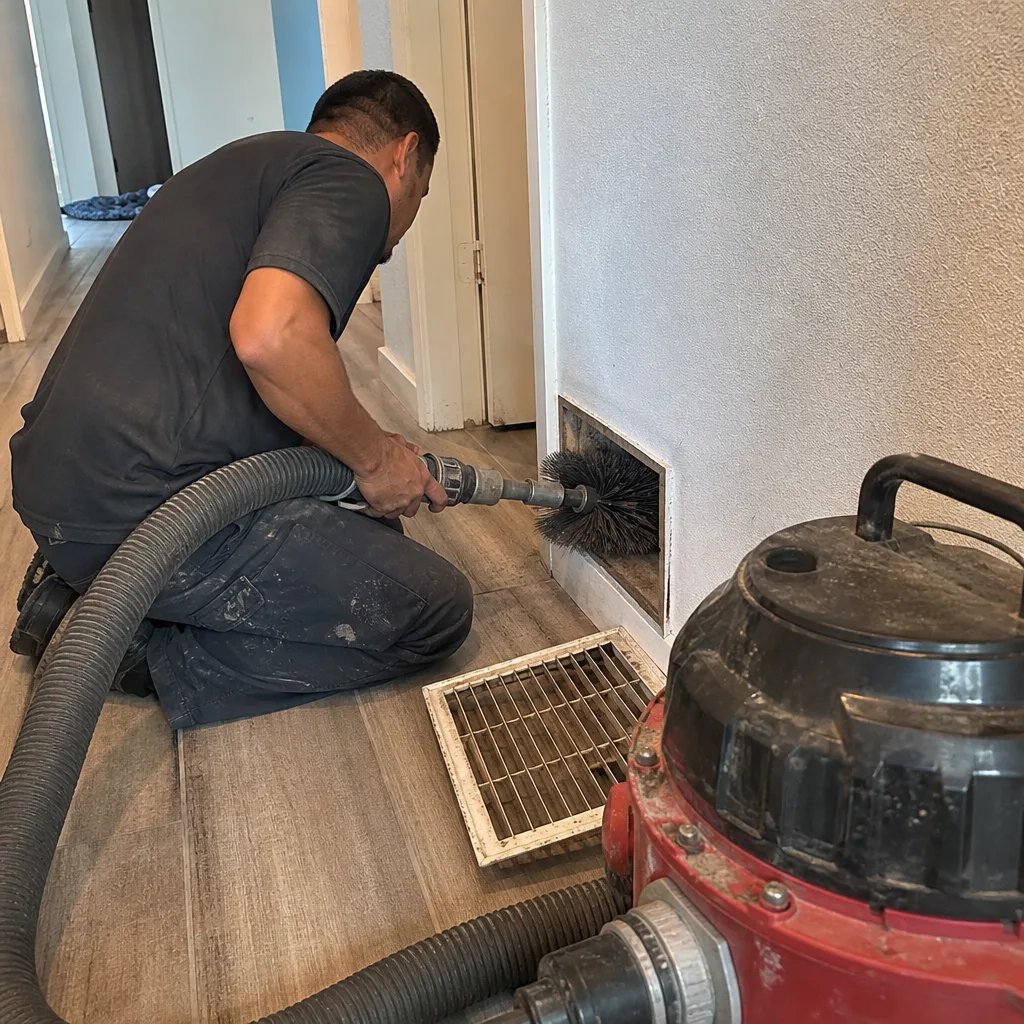
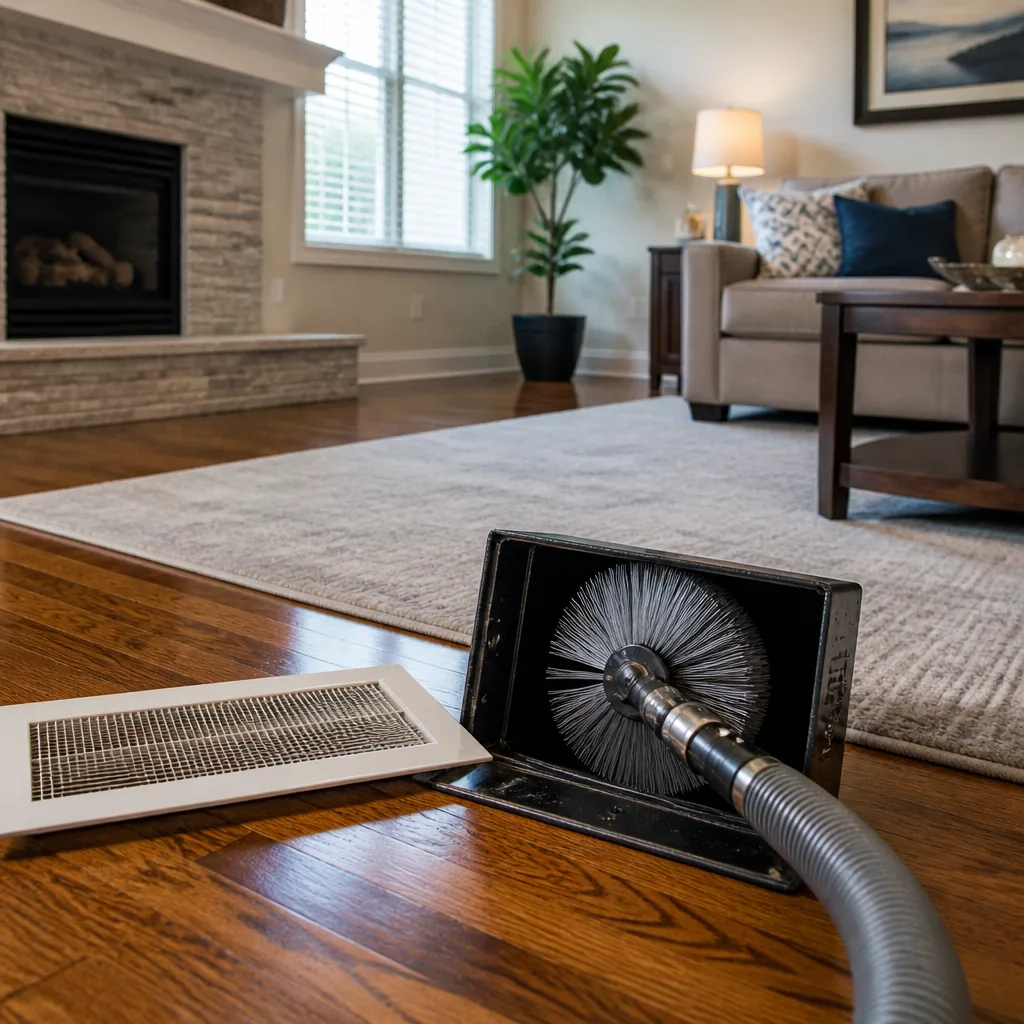
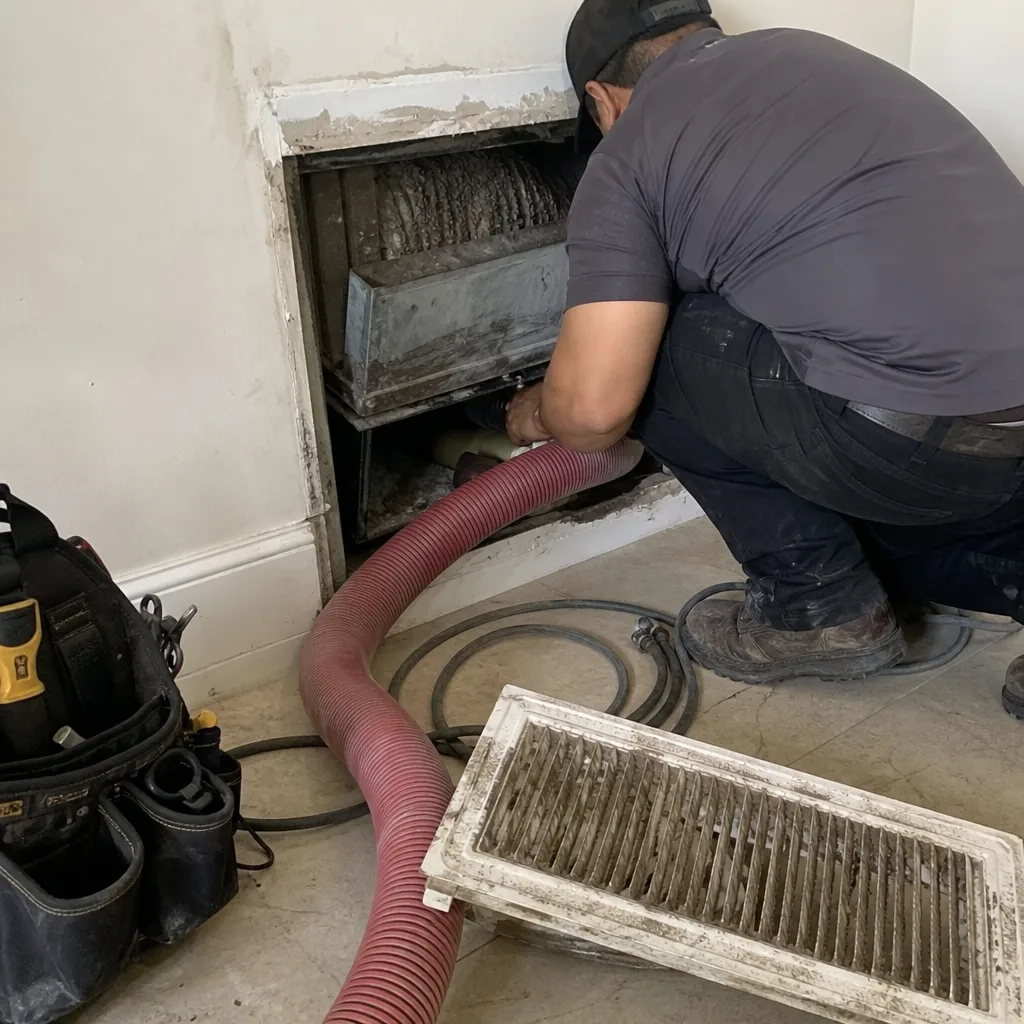
- Rotary-brush agitation. A Rotobrush-style system runs a rotating brush head through the duct run, mechanically scouring the walls where contaminants cling. Vacuum alone can’t remove what’s bonded to the surface; the brush does.
- HEPA-rated vacuum extraction. A Nikro HEPA vacuum pulls the loosened material out and traps fine particles that a standard vacuum would pass back into the room air.
- Negative-air filtration. This is the piece most residential crews skip. Abatement Technologies negative-air and filtration equipment creates a pressure differential so the work area stays under negative pressure while the ducts are opened up. Air flows toward the machine, not into the living space. The same standard shows up in mold and abatement work because it’s the only reliable way to contain contaminants at the source.
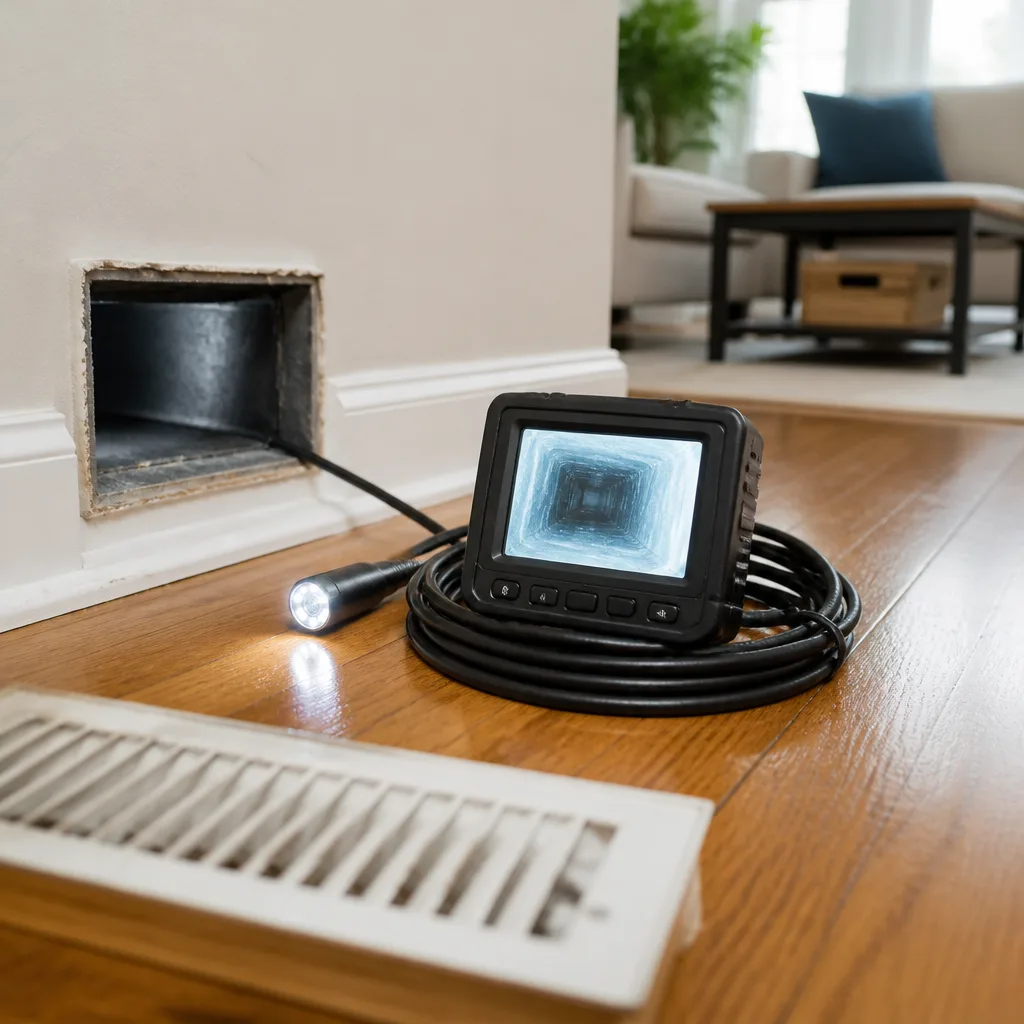
- Access tools and inspection cameras to reach the plenum, the branch runs, and the air handler coil, not just the register openings.
Ask any company you consider which specific equipment they use. “Professional equipment” is not an answer. A company using Rotobrush, Nikro and Abatement gear can tell you how each piece works and why it’s there. If you’re working with premium air-quality controls such as a Honeywell or Aprilaire system, the technicians also need to understand what those devices do so they don’t disturb them during service. Ashford works with those systems regularly, which is why we ask about them before we start.
Cleaning, Sealing, or Repair: Which Does Your Home Need?
This is the question most homeowners don’t know to ask. Duct cleaning removes what’s inside the system. It doesn’t fix a system that leaks, sags, or has come apart. In a Pembroke Pines home, the difference matters because humidity finds every gap. A disconnected joint in an attic or crawlspace pulls hot, wet outside air straight into the supply run.
Here’s how to think about the three paths:
- Cleaning is the right call when the ductwork is intact and sealed but has accumulated debris, dust, microbial growth, or post-renovation contamination. The system is sound; it just needs to be cleaned to standard.
- Sealing fits when the ducts are intact but leaky. You may see higher energy bills, rooms that never quite match the thermostat, or dust pulled in from unconditioned space. Sealing the joints and connections keeps the system’s air where it belongs.
- Repair is for the hard failures: crushed or disconnected flex runs, torn duct board, failed connections at the plenum, damaged takeoffs. Cleaning these without fixing them means the problem returns.
In our experience across Pembroke Pines, many homes need two of the three, often cleaning plus repair. That’s the reason Ashford offers air duct cleaning, dryer vent cleaning and duct repair as separate services under one company. You get one assessment and one written scope, not three vendors handing the job back and forth.
A good technician will show you what they found, explain which of the three the evidence supports, and put it in writing. If a company recommends cleaning without inspecting for leaks and disconnections, the recommendation is incomplete.
What a Full-Scope Duct Inspection Should Cover
An inspection that begins and ends at the supply registers isn’t an inspection. Most of what determines your air quality sits deeper in the system, in places the homeowner never sees. A thorough evaluation covers at least these areas:
- The plenum. The box where the air handler connects to the duct system. It’s where pressure is highest and where failed seals cause the most trouble.
- The air handler and coil. A dirty evaporator coil is a moisture magnet in this climate. The coil, the drain pan, and the condensate line all need to be checked.
- Every accessible flex duct connection. Flex duct is common in South Florida homes, and the connections at the plenum and the branch takeoffs are where disconnections and crushing happen.
- Return-side ductwork. Many crews clean the supply side and stop. Returns pull air back through the system, so they need the same attention.
- Insulation and vapor barriers. In a humid climate, condensation on uninsulated duct surfaces is a growth problem waiting to happen.
- Access and condition. Is the ductwork reachable? Is it intact? Are there visible breaches, tears, or water stains?
Ask the technician to show you the camera footage or walk you through what they found. A company confident in its work will show you the inside of the system. A company running a cheap coupon operation usually won’t.
How to Read a Post-Cleaning Verification
A job is only complete when you can verify it. That’s the honest answer to the biggest hesitation homeowners have about this industry: the worry that a low teaser price becomes a much larger invoice once the technician is on site. Verification is what closes that gap.
Here’s what a defensible post-cleaning verification looks like:
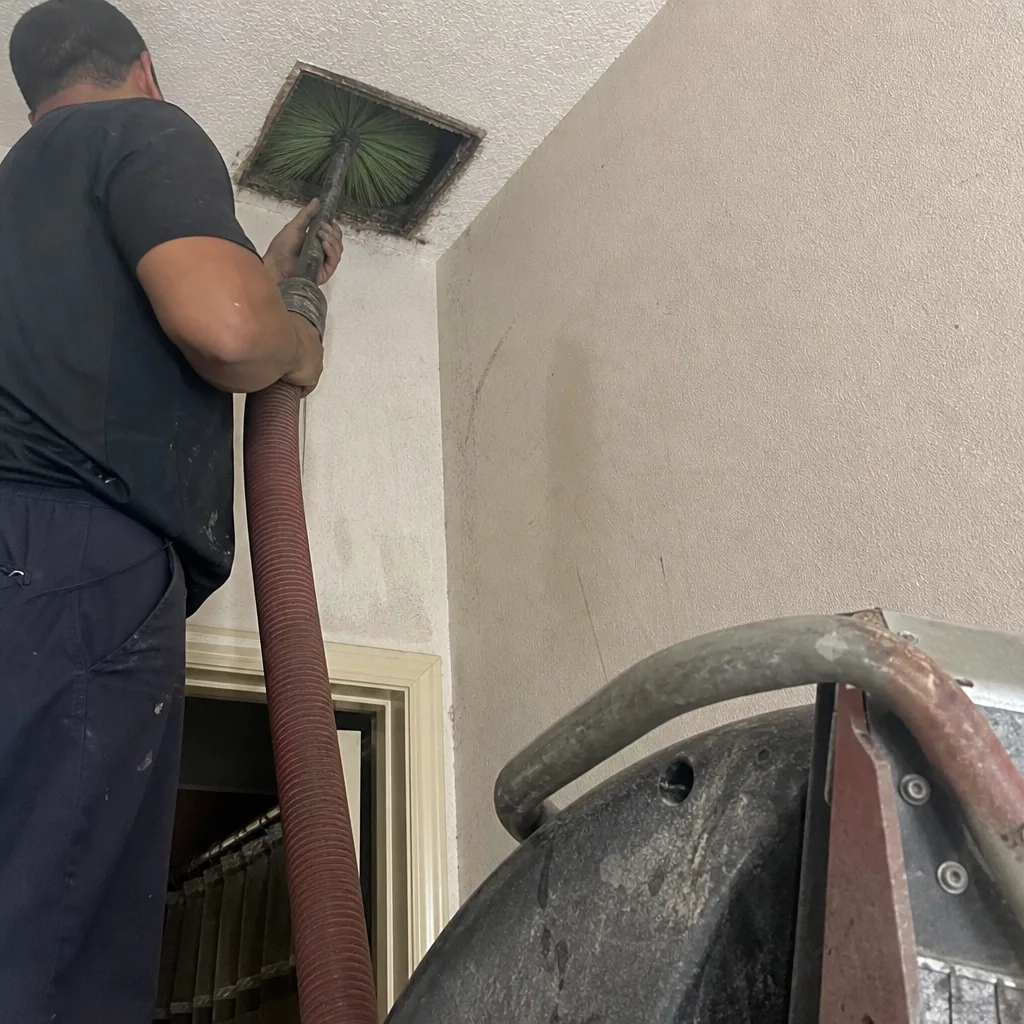
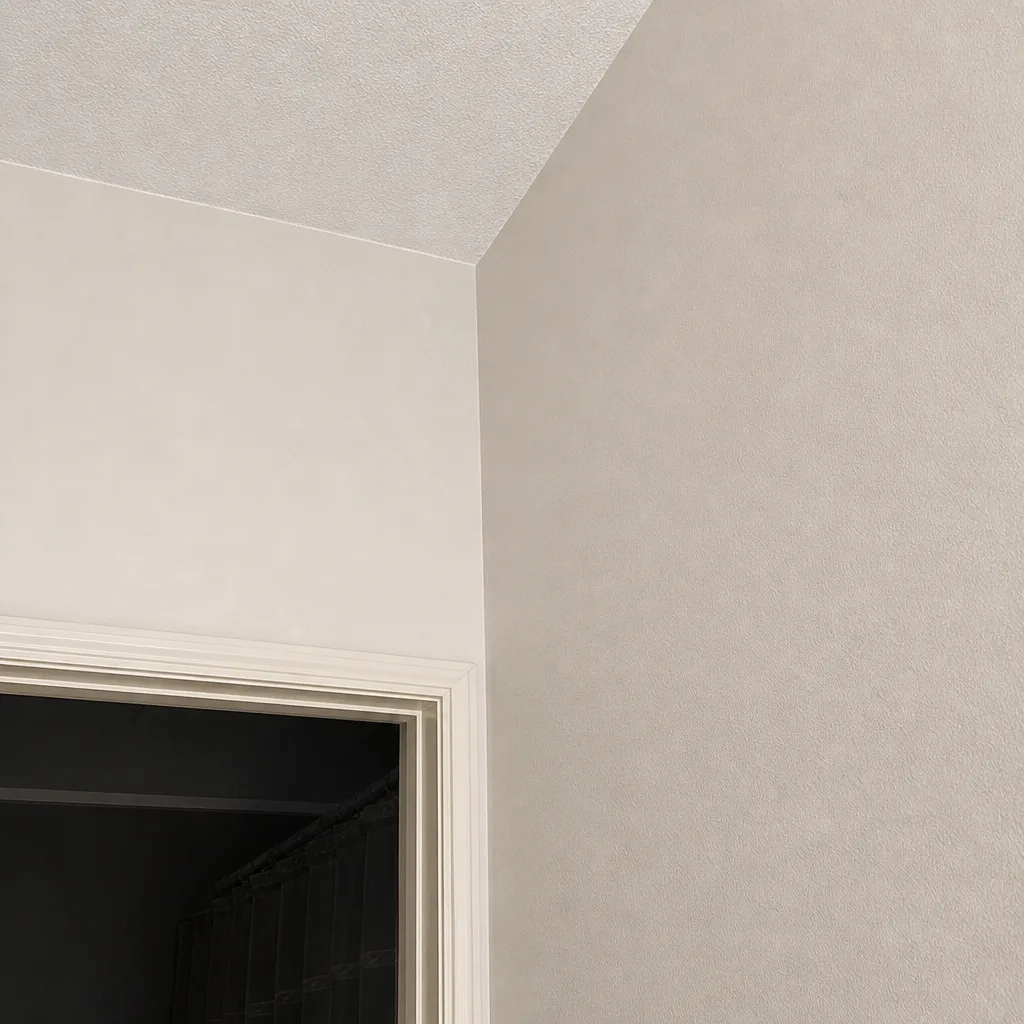
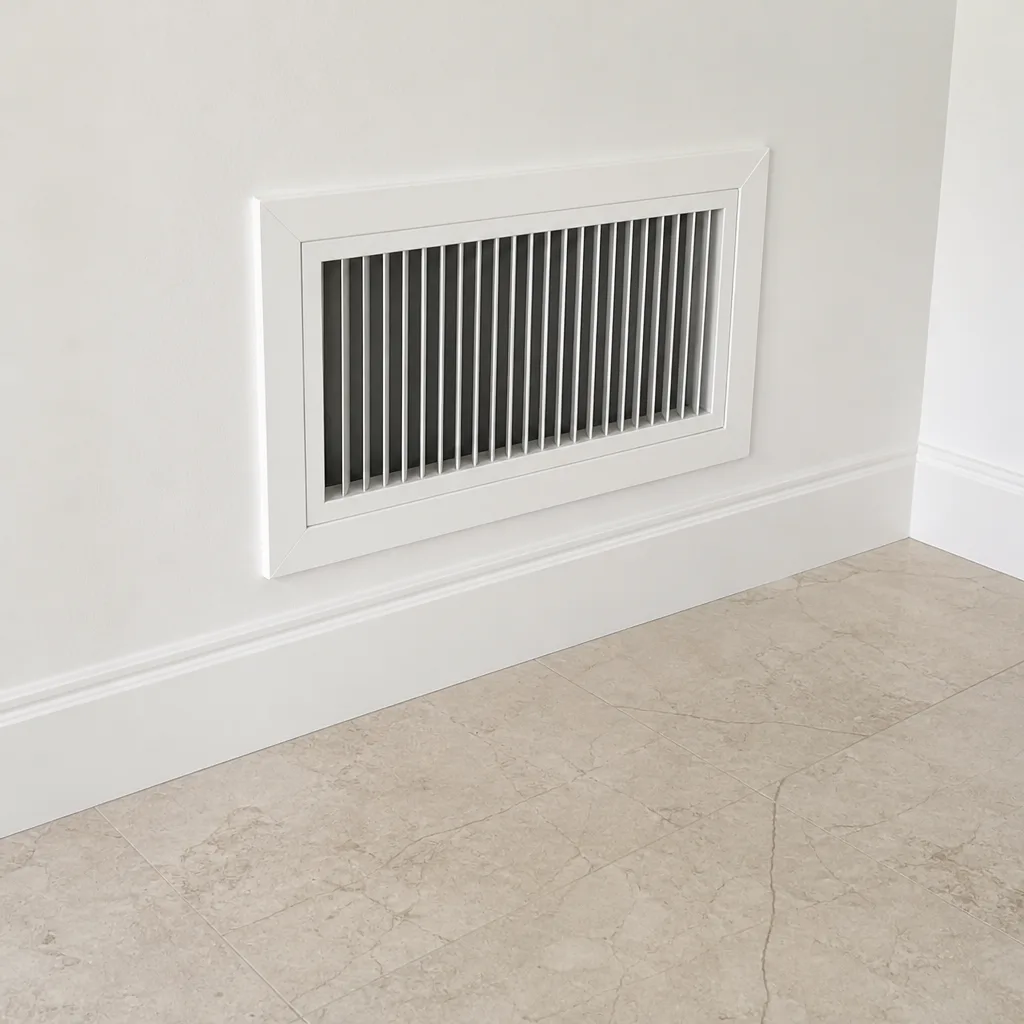
- Before-and-after photos of your actual ducts. Not stock images. Photos of the specific runs and the air handler, taken at the same spots.
- A written summary of what was cleaned: how many runs, the plenum, the return side, the air handler coil.
- Notes on any issues found and whether they were repaired or referred.
- A clear statement of pricing matching the estimate agreed before work started.
One flat price per system, agreed before work starts, is the model we use, and it’s how a homeowner avoids per-vent surprises. Before-and-after photos of your own ducts are how you know it was done. If a company can’t produce either, ask why.
For premium controls such as a Honeywell or Aprilaire system, the verification should also note whether the device was checked and whether anything changed. If the technician removed or reset filters, they should tell you.
What Air Duct Cleaning Costs in Pembroke Pines
Air duct cleaning pricing varies by system size, how many runs are accessible, and whether repair is needed. Most homes land in a whole-system range rather than a per-vent price, and that’s the honest way to quote it. Here’s how the three services usually break down:
- Full air duct cleaning (supply and return runs, plenum, air handler: a whole-system job, quoted in a typical range based on the home’s size and system layout)
- Dryer vent cleaning as a standalone service (a shorter job on a longer vent run)
- Air duct repair (priced per repair: reconnecting a crushed flex run, sealing a breached joint, replacing damaged duct board)
We don’t publish coupon prices, because the per-vent price you see advertised is almost never the whole-system price you pay. What we will do: assess the system, show you what we found, and set one flat price for the whole job before any work starts. The written estimate is what sets the final price. Call (855) 508-8964 for a free estimate, and we’ll walk you through what a full-scope job would involve for your home.
Two local notes on value: in a home with a premium air-quality system (a Honeywell or Aprilaire control, for example), the cost of proper service is lower than the cost of a disrupted one. And in this climate, doing the job right the first time (with moisture management included) tends to eliminate the repeat cleanings a cheap job produces.
Common Mistakes to Avoid
- Hiring on price alone. A coupon price is a teaser that often becomes a much larger invoice once the technician is on site. Ask what the whole-system price is before anyone starts.
- Skipping the air handler and coil. Cleaning the ducts without addressing the coil is like washing the pipes and leaving the sink dirty. The coil is where the moisture and the growth start.
- Cleaning without inspecting for leaks and disconnections. In Pembroke Pines humidity, a leaky duct pulls wet outside air into the system. Cleaning a leaky system makes the problem return faster.
- Accepting a job with no verification. If there are no before-and-after photos of your actual ducts and no written summary of what was cleaned, you have no way to know what was done.
- Letting a shop-vac setup serve as “cleaning.” Consumer vacuums redistribute fine particles. Ask which equipment is used.
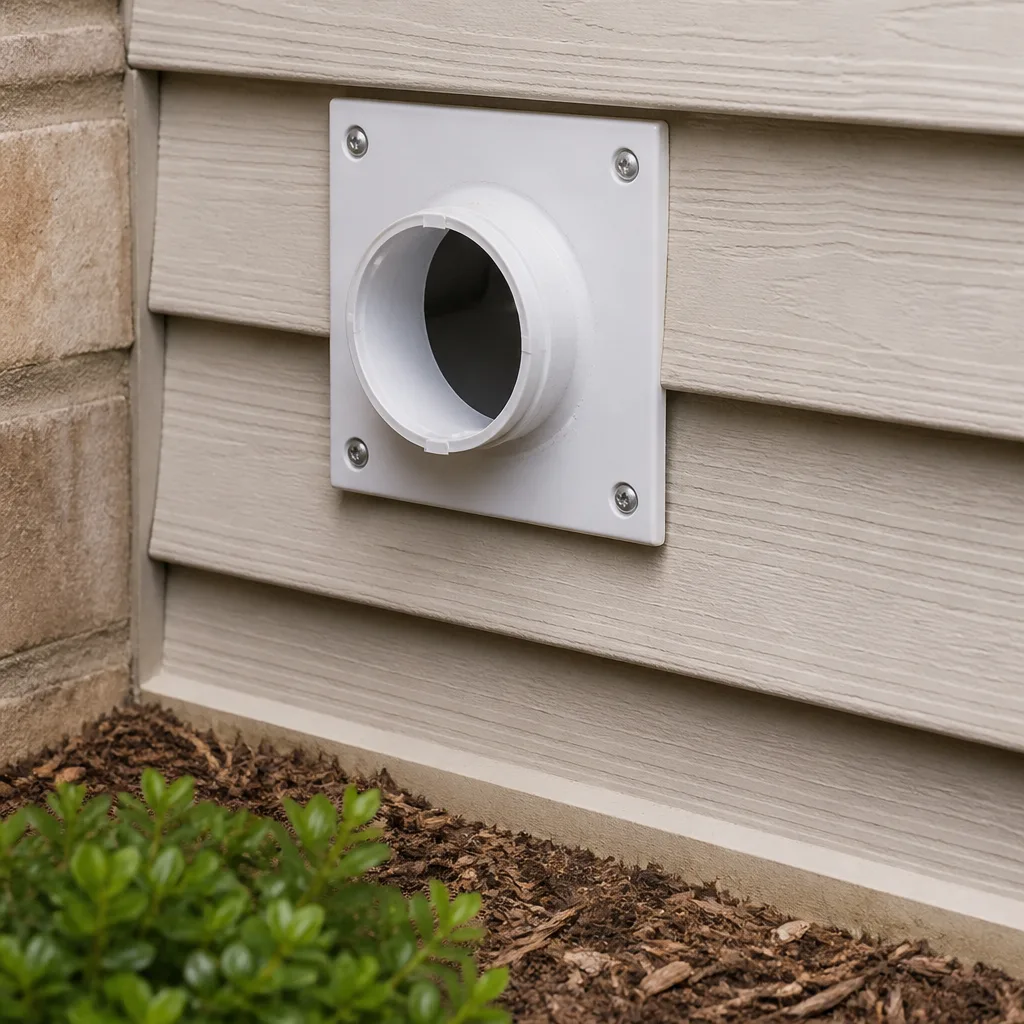
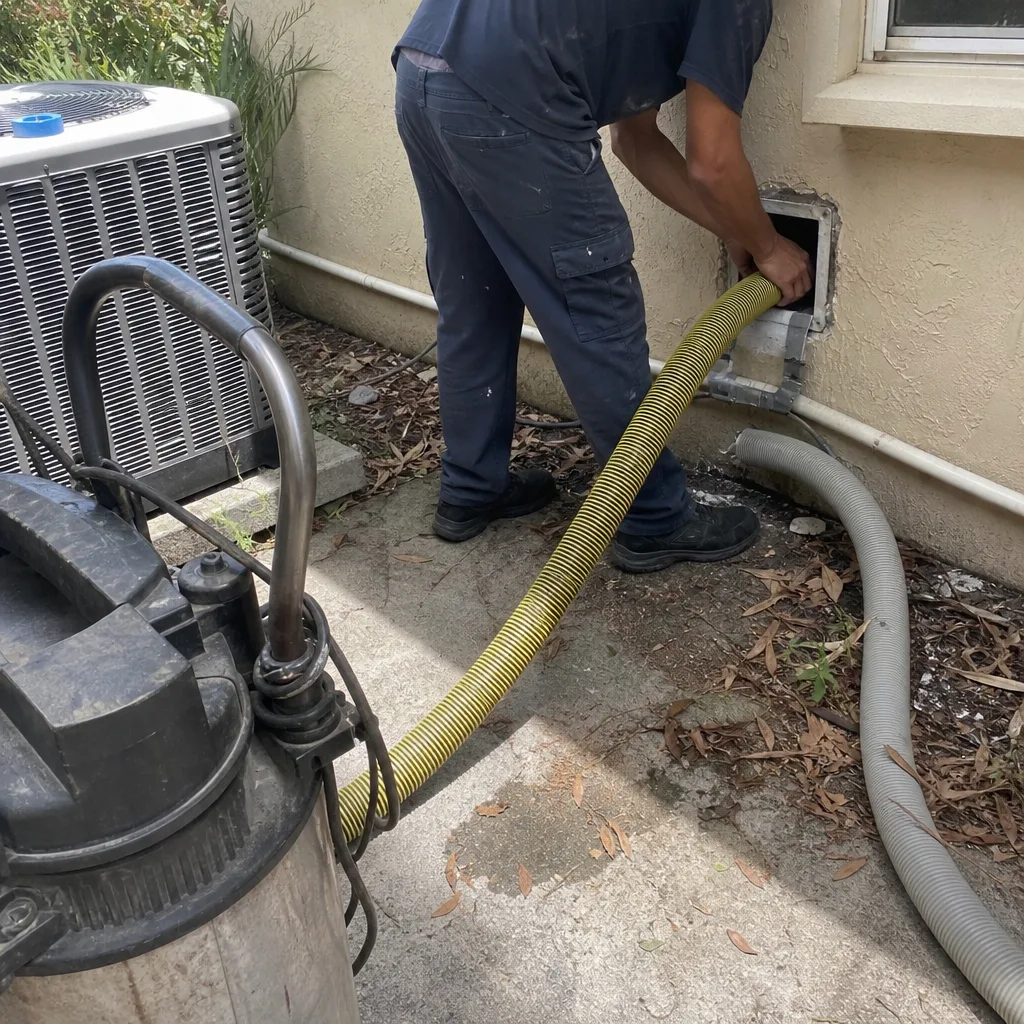
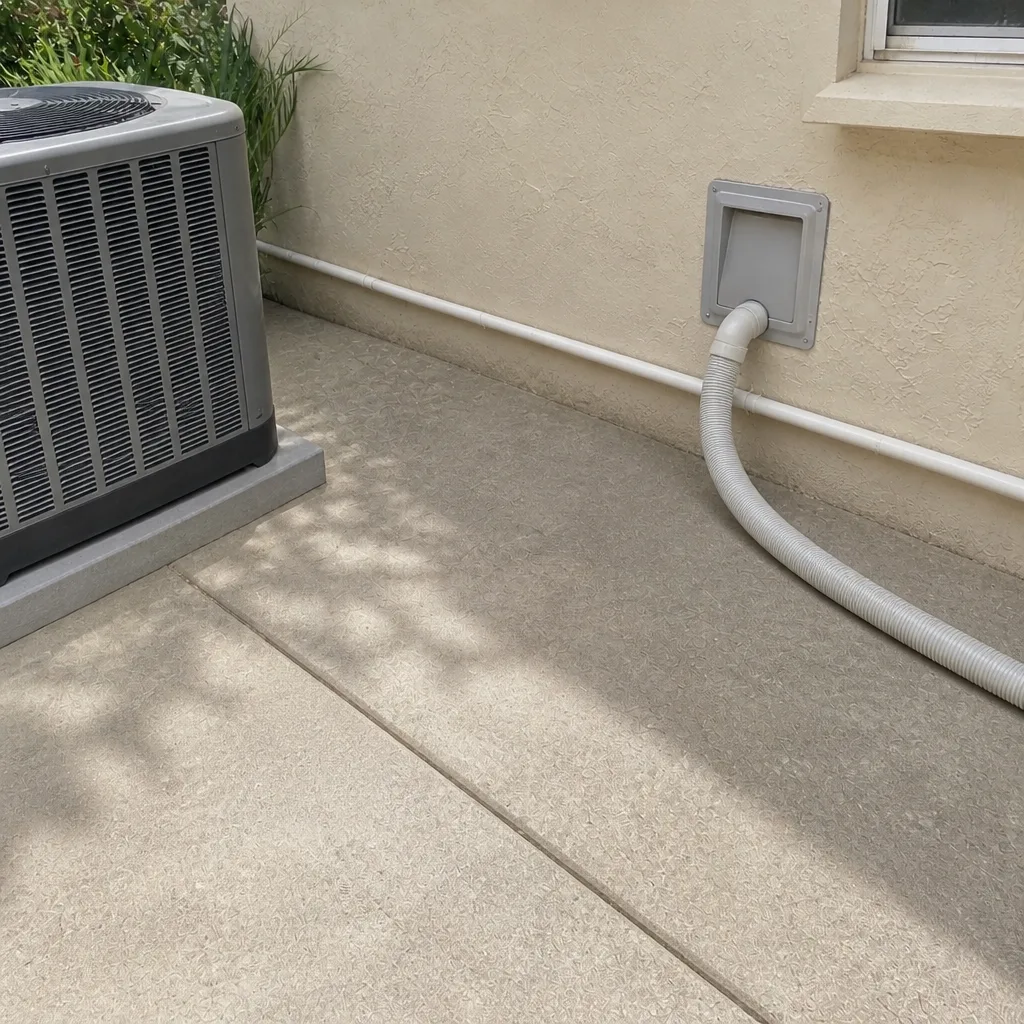
- Ignoring the dryer vent. It’s a separate system, often overlooked in duct cleaning services, and it deserves its own attention.
- Assuming humid-climate dust is harmless. In this climate, a dust layer can become a moisture-fed growth problem faster than most homeowners expect.
When to Call a Professional
Call a professional when you can smell something musty from the vents, when dust returns days after cleaning, when airflow is uneven between rooms, or when you’ve had recent renovation work near the return ducts. Call when the dryer takes much longer than it used to, when you notice visible buildup at the registers, or when you’re dealing with water intrusion anywhere near the air handler. Call when a premium air-quality system (Honeywell or Aprilaire) is installed and you don’t want it disturbed by a crew unfamiliar with it. And call when you want a written assessment of whether your home needs cleaning, sealing or repair, with before-and-after photos of the actual work. Ashford Air Duct Cleaning offers free estimates in Pembroke Pines, so there’s no cost to finding out what your system actually needs. Call (855) 508-8964. We answer 24/7, with fast dispatch from 7am to 7pm.
See the difference
 Before
 After
 Before
 After
 Before
 After
Frequently Asked Questions
Whole-system air duct cleaning in Pembroke Pines is quoted as one flat price based on the size and layout of your system, not a per-vent rate. The written estimate you receive before work starts sets the final price. We don’t advertise teaser coupon prices, because the real cost depends on the system. Call (855) 508-8964 for an exact quote, and estimates are free.
Cheap quotes usually reflect a smaller scope and lighter equipment. A coupon-based crew often cleans the accessible runs and stops, skipping the plenum, the return side, and the air handler, or uses a portable blower that redistributes contaminants instead of capturing them. Professional work uses rotary brushes, HEPA-rated extraction and negative-air filtration. When comparing quotes, ask what’s included and what equipment is used. Call (855) 508-8964 for a whole-system quote.
Ask for before-and-after photos of your own ducts and a written summary of what was cleaned (how many runs, the plenum, the return side, the air handler coil). A company confident in its work will also show you what it found during inspection. If a crew can’t produce both, that’s your answer. Call (855) 508-8964 to discuss what a verified job looks like.
There’s no universal interval. In Pembroke Pines, the right timing depends on humidity, pets, recent renovation, and whether the ductwork is sealed and intact. Watch for the signals: musty smell, dust returning quickly, uneven airflow, visible buildup at the vents. A sealed, well-maintained system may go much longer between cleanings than a leaky one. Call (855) 508-8964 for an assessment.
It often does, but the smell usually signals moisture, and cleaning without addressing the source is temporary. That’s why a proper job includes inspecting the air handler coil, the drain pan, and the condensate line, along with any insulation or vapor barrier concern. Cleaning removes what’s there; finding and fixing the moisture source is what keeps it from returning. Call (855) 508-8964 to book an inspection.
Ashford offers air duct cleaning, dryer vent cleaning and air duct repair as three separate services under one company. That means one assessment, one written scope, and one call if your system turns out to need reconnection or sealing after cleaning. We work with Rotobrush, Nikro and Abatement Technologies equipment, and understand Honeywell and Aprilaire air-quality systems. Call (855) 508-8964 for a free estimate.
The Bottom Line
Duct cleaning in Pembroke Pines is not the same job it is in a dry climate. Humidity makes the inside of your air system a moisture-management problem first, and everything else a distant second. The right approach is professional equipment (Rotobrush rotary brushes, Nikro HEPA extraction, Abatement negative-air filtration), a full-scope inspection that covers the plenum, the air handler coil and every flex duct connection, an honest recommendation about whether you need cleaning, sealing or repair, and a verification at the end that lets you see the work was done. One flat price per system, agreed before work starts, and before-and-after photos of your own ducts. That’s the standard, and it’s the one we hold ourselves to at Ashford Air Duct Cleaning.
Contact Us for a Free Estimate
If you’re managing a home in Pembroke Pines and want a straight answer about what your air system needs, call Ashford Air Duct Cleaning at (855) 508-8964. We answer 24/7, and fast dispatch runs from 7am to 7pm, Sunday through Friday. We’ll assess your system, explain what we found, and give you a written estimate with one flat price before any work starts. Whether you need air duct cleaning, dryer vent cleaning, or duct repair, we’ll take care of it and show you the result. Call today for your free estimate.
Written by the team at Ashford Air Duct Cleaning.